
Mold in New Construction in South Merritt Island: What Merritt Island Property Owners Should Know
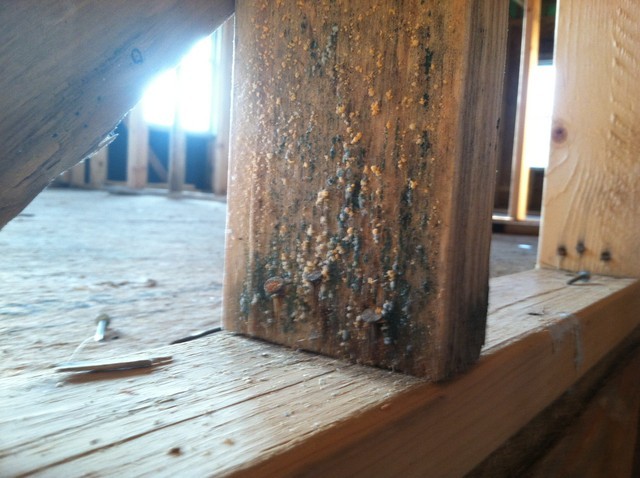
Why Mold Happens in New Construction Homes
Mold in new homes isn’t about age—it’s about moisture timing.
During construction, homes go through phases where materials get exposed to:
- Rain during framing
- High humidity before HVAC systems run
- Moisture trapped in lumber, drywall, or concrete
- Tight sealing that limits airflow
If those materials don’t fully dry before the home gets closed in, mold can start growing quietly behind the scenes. Once the house is finished and occupied, the conditions can actually help it continue.
Florida Humidity + Tight Construction = Mold Risk
Modern homes in South Merritt Island are built tighter for energy efficiency. That’s great for cooling costs—but it can trap moisture if ventilation isn’t balanced properly.
In new construction, mold risk increases when:
- Humidity stays elevated indoors
- Fresh air exchange is limited
- AC systems short-cycle
- Moisture from daily living doesn’t escape
A tight home with poor moisture control becomes a perfect environment for mold, even without leaks.
Common Mold Hotspots in New Merritt Island Homes
Mold in new construction usually hides, not spreads openly.
HVAC Systems and Ductwork
New systems often run hard right away. If drain lines clog, insulation gets damp, or airflow isn’t balanced, condensation builds up fast.
Behind Drywall
If framing or drywall absorbed moisture during construction, mold can grow behind walls long before anything appears on the surface.
Attics
New attics sometimes lack proper airflow early on. Heat and humidity combine, leading to condensation on framing or insulation.
Bathrooms and Laundry Rooms
High moisture use plus fans that aren’t properly vented yet can create early mold growth.
Under Flooring
Concrete slabs release moisture as they cure. If flooring goes down too early, moisture can get trapped underneath.
Signs Mold May Be Developing in a New Home
Because new homes look clean, signs often get dismissed.
Watch for:
- Musty or earthy smells, even faint ones
- Condensation around vents or windows
- Discoloration on ceilings or walls
- Rooms that feel damp despite AC running
- Mold appearing in closets or corners
In new construction, odors often appear before visible mold does.
Why “Builder Warranty” Doesn’t Always Mean Mold-Free
This is where confusion sets in.
Builder warranties usually cover structural issues, not long-term moisture behavior. Mold caused by:
- Humidity
- Condensation
- Occupant moisture use
- HVAC balancing issues
…often falls into a gray area. That’s why early inspections matter—before small issues turn into bigger ones.
HVAC Setup Plays a Huge Role
In new homes, HVAC systems often determine whether mold becomes a problem.
Common issues include:
- Oversized units cooling too fast
- Poor humidity removal
- Improper duct sealing
- Drain lines not pitched correctly
When AC systems cool without dehumidifying effectively, mold gets a foothold fast—especially in coastal environments like South Merritt Island.
Why DIY Cleaning Isn’t the Answer in New Homes
Seeing mold in a new home makes people want to clean it immediately. That’s understandable—but risky.
DIY cleanup often fails because:
- Mold is hidden behind surfaces
- Moisture sources stay active
- Condensation patterns don’t change
- Spores get spread during cleaning
In new construction, fixing the cause matters more than fixing the appearance.
How Inspections Help in New Construction Mold Cases
A professional inspection looks at moisture patterns, not just mold spots.
Inspections often evaluate:
- Indoor humidity levels
- Moisture inside walls or ceilings
- HVAC drainage and airflow
- Attic ventilation
- Flooring and slab moisture
This helps determine whether mold is isolated or part of a broader moisture issue tied to construction or system setup.
Preventing Mold in New South Merritt Island Homes
Prevention in new construction focuses on moisture management early.
Helpful steps include:
- Monitoring indoor humidity closely
- Running bathroom fans consistently
- Ensuring HVAC systems are balanced and maintained
- Keeping AC drain lines clear
- Avoiding over-sealing rooms without airflow
Small adjustments early prevent long-term problems.
Why Local Experience Matters With New Builds
New homes in South Merritt Island behave differently than older homes—but Florida humidity doesn’t care how new the structure is. Coastal moisture, curing materials, and AC-heavy living all influence mold risk.
That’s why Mold and Duct Cleaning Experts help Merritt Island property owners understand what’s normal, what’s not, and what needs attention—based on local conditions, not assumptions.
Final Thoughts
Mold in new construction feels unfair, but it’s not uncommon in South Merritt Island. New homes still need time to dry, balance, and adapt to Florida’s climate. When moisture gets trapped early, mold takes advantage.
Pay attention to odors, humidity, and subtle comfort changes. Catching mold early in a new home keeps fixes simple—and protects the investment you just made.
