
Mold in Older Homes in North Merritt Island: What Merritt Island Property Owners Should Know
Why Older Homes in North Merritt Island Face Higher Mold Risk
Older homes weren’t designed with modern moisture control in mind. That doesn’t mean they’re bad—it just means they need more awareness.
Common factors include:
- Older plumbing materials and fittings
- Less effective ventilation designs
- Aging roofing and flashing
- Minimal insulation by today’s standards
- Years of minor leaks or moisture events
Each issue on its own may seem small. Together, they create conditions mold loves.
Past Moisture Has a Long Memory
One of the biggest differences between older and newer homes is history.
An older home may have experienced:
- Roof leaks years ago
- Past plumbing failures
- Flooding or storm intrusion
- AC condensation problems
Even if those issues were “fixed,” moisture may have lingered inside walls, under floors, or in insulation. Mold doesn’t forget those moments.
Common Mold Hotspots in Older North Merritt Island Homes
Mold in older homes often hides in predictable places.
Behind Walls and Paneling
Older wall systems don’t always dry efficiently. Moisture trapped behind drywall or wood paneling can support mold long before anything shows on the surface.
Attics With Aging Ventilation
Older attics often lack proper airflow. Heat and humidity build up, leading to condensation on framing and insulation.
Under Flooring and Subfloors
Past leaks or ground moisture can affect subfloors, especially in homes with slab foundations. Mold grows quietly beneath flooring until odors or warping appear.
Bathrooms and Kitchens
Older exhaust fans often move less air—or none at all. Moisture lingers after showers and cooking, feeding mold over time.
Around Windows and Doors
Older seals and frames allow humid air and rain intrusion, especially during storms.
Signs Mold Is Developing in an Older Home
Mold doesn’t usually announce itself loudly. It leaves clues.
Watch for:
- Persistent musty or earthy odors
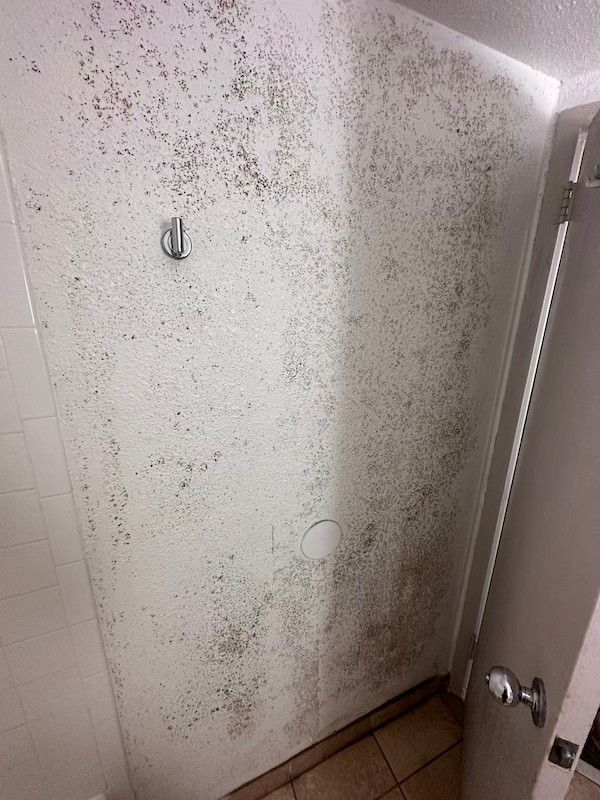
- Discoloration on walls or ceilings
- Peeling or bubbling paint
- Warped baseboards or cabinets
- Areas that feel damp longer than expected
In older homes, these signs often point to deeper issues behind the surface.
Why Mold Problems Feel “Chronic” in Older Homes
Property owners often feel like mold keeps coming back no matter what they do.
That usually happens because:
- Moisture sources weren’t fully corrected
- Materials absorbed moisture over time
- Ventilation doesn’t support proper drying
- Humidity stays consistently high
Cleaning visible mold helps temporarily, but it doesn’t change the underlying conditions.
HVAC Systems and Older Home Mold
Older HVAC systems—or newer systems added to older homes—can unintentionally worsen mold issues.
Common problems include:
- Poorly insulated ductwork
- Condensation near air handlers
- Drain line backups
- Uneven airflow
When mold grows near HVAC components, particles circulate through the home, spreading the problem beyond its starting point.
Why DIY Fixes Often Fall Short in Older Homes
DIY solutions usually focus on surfaces. Mold in older homes rarely lives only on the surface.
DIY approaches often fail because:
- Mold hides behind walls or under floors
- Moisture remains trapped in materials
- Older construction dries slowly
- Humidity keeps feeding regrowth
Without identifying moisture patterns, mold keeps finding new places to grow.
How Professional Inspections Help Older Homes
A proper inspection looks at the whole picture, not just visible mold.
Inspections often include:
- Moisture readings inside walls and ceilings
- Evaluation of ventilation and airflow
- HVAC inspection
- Identification of past water damage
This helps property owners understand whether mold is isolated or part of a larger moisture pattern.
Preventing Mold in Older North Merritt Island Homes
Prevention focuses on moisture control, not perfection.
Helpful steps include:
- Monitoring indoor humidity
- Improving bathroom and attic ventilation
- Maintaining HVAC systems regularly
- Addressing small leaks immediately
- Checking hidden areas periodically
Small upgrades and routine checks go a long way in older homes.
Why Local Experience Matters With Older Homes
Older homes in North Merritt Island behave differently than newer construction. Materials, layouts, and ventilation all affect how moisture moves through the structure.
That’s why Mold and Duct Cleaning Experts help Merritt Island property owners approach mold issues with local understanding instead of guesswork.
Final Thoughts
Older homes in North Merritt Island aren’t a problem—they just require awareness. Mold doesn’t appear because a home is old. It appears because moisture finds opportunities over time.
Pay attention to odors, moisture patterns, and subtle changes. When you address mold early and manage humidity consistently, older homes can stay healthy, comfortable, and mold-resistant for years to come.
