
Mold and Respiratory Issues in Merritt Island: What Merritt Island Property Owners Should Know
How Mold Can Affect Breathing Indoors
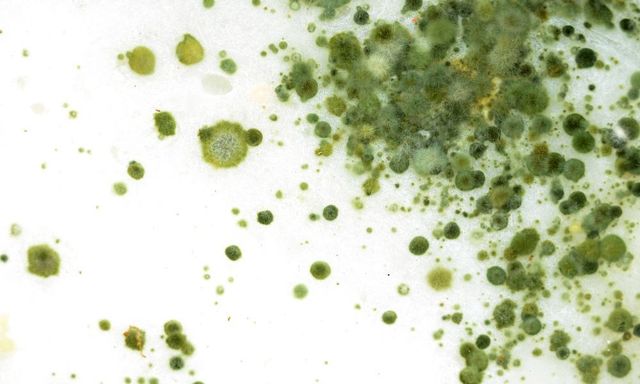
Mold impacts indoor environments by releasing microscopic particles and gases as it grows. These particles move easily through enclosed spaces, especially in homes that rely heavily on air conditioning.
In Merritt Island properties, respiratory concerns often connect to:
- Mold hidden behind walls or cabinets
- Mold growth near air handlers or ductwork
- Damp insulation in attics
- Moist subfloors or crawl spaces
Even small, hidden growth can affect indoor air conditions when HVAC systems circulate particles throughout the home.
Why Respiratory Issues Feel Worse Inside the Home
This is something property owners mention a lot: people feel better outside than inside. That pattern matters.
Indoor air recirculates. Outdoor air moves and disperses. When mold particles enter a home’s airflow, they can linger—especially when humidity stays high. Over time, that exposure can make indoor breathing feel heavier or more uncomfortable, particularly in bedrooms and enclosed rooms.
If symptoms improve when leaving the house and return shortly after coming back, that’s a strong clue the indoor environment plays a role.
Why Merritt Island Homes Are More Vulnerable
Living near the water changes how moisture behaves indoors.
Constant Coastal Humidity
Humidity stays elevated year-round, slowing drying time and keeping materials slightly damp longer than expected.
Heavy AC Dependence
Air conditioning runs most of the year. If mold grows near coils, drain pans, or ducts, the system can move particles throughout the home without anyone realizing it.
Slab Foundations and Ground Moisture
Many Merritt Island homes sit on slabs that absorb ground moisture. That moisture can migrate upward, increasing indoor dampness.
Limited Airflow in Certain Areas
Closets, interior bedrooms, and cabinets often trap moisture, making them common starting points for hidden mold.
Respiratory Clues That Often Point to Mold
Mold-related respiratory issues don’t always look dramatic. They show up as patterns.
Common signs include:
- Coughing or congestion that worsens indoors
- Chest tightness or heavy breathing at home
- Discomfort that increases at night
- Musty or earthy odors
- Symptoms that align with AC use
These patterns don’t prove mold on their own, but they strongly suggest moisture and air quality deserve a closer look.
The HVAC System’s Role in Respiratory Comfort
HVAC systems play a major role in how indoor air feels and moves.
Mold often develops:
- Around evaporator coils
- Inside condensate drain pans
- On insulation near air handlers
- Near supply and return vents
Once mold reaches HVAC components, particles circulate efficiently. That’s why respiratory complaints often line up with when the system runs.
Why Cleaning the House Doesn’t Fix Breathing Issues
This frustrates a lot of homeowners.
Surface cleaning improves appearance, but it doesn’t address mold hidden in walls, ducts, or insulation. As long as moisture remains active, mold continues releasing particles into the air—no matter how clean everything looks.
IMO, that’s why respiratory discomfort linked to mold feels so persistent. The source stays hidden while symptoms continue.
Humidity’s Role in Respiratory Discomfort
Humidity doesn’t just help mold grow—it affects how air feels to breathe.
When indoor humidity stays high:
- Mold growth accelerates
- Air feels heavier and less comfortable
- Particles remain airborne longer
In Merritt Island homes, controlling humidity often leads to noticeable improvements in comfort.
How Inspections Help Clarify the Situation
A professional inspection looks beyond visible mold and focuses on moisture and airflow.
Inspections often evaluate:
- Indoor humidity levels
- Moisture inside walls and ceilings
- HVAC drainage and performance
- Ventilation effectiveness
Once moisture patterns get identified, respiratory complaints often make more sense.
Mold Testing and Respiratory Concerns
Testing can help in specific situations, especially when:
- Symptoms persist without visible mold
- Multiple rooms feel affected
- Documentation matters for property decisions
Testing supports clarity, but improving respiratory comfort still requires correcting moisture and mold sources.
Improving Indoor Conditions in Merritt Island Homes
Better indoor comfort usually starts with moisture control.
Helpful steps include:
- Lowering indoor humidity
- Maintaining HVAC systems regularly
- Fixing leaks promptly
- Improving ventilation in bathrooms and closets
- Addressing hidden mold sources
Once moisture problems get resolved, indoor air often feels noticeably easier to breathe.
Why Local Experience Matters in Merritt Island
Mold and respiratory issues in coastal Florida don’t behave the same way they do inland. Humidity, nearby waterways, and AC-heavy living all influence how problems develop.
That’s why Mold and Duct Cleaning Experts help Merritt Island property owners focus on realistic, local solutions instead of generic advice.
Final Thoughts
Respiratory discomfort in Merritt Island homes rarely comes out of nowhere. It often ties back to moisture and mold affecting indoor air conditions. When breathing feels worse indoors and better outside, that pattern deserves attention.
Address the moisture, identify hidden mold, and indoor comfort often improves. In a coastal environment like Merritt Island, that connection matters more than most people realize.
