
Mold Removal Cost Factors in Sykes Creek: What Merritt Island Property Owners Should Know
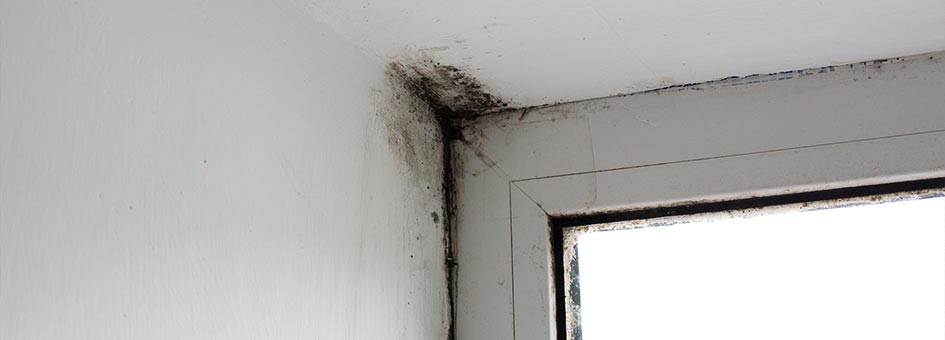
Why Mold Removal Costs Aren’t Flat-Rate
Mold removal is not like carpet cleaning. Pricing depends on:
- How far mold has spread
- Where it’s growing
- What materials are affected
- Whether moisture is still active
In humid Sykes Creek homes, mold often spreads behind walls and under surfaces, which is where costs start to climb.
The Biggest Factors That Affect Mold Removal Cost
1. Size of the Affected Area
This is the biggest driver of cost.
- Small, isolated areas cost less
- Multiple rooms or long wall sections cost more
- Growth across floors, ceilings, or cabinets increases labor and materials
Once mold exceeds a small patch, containment and air filtration are usually required.
2. Hidden Mold vs. Visible Mold
Visible mold is often the cheapest part of the job.
Costs rise quickly when mold is found:
- Behind drywall
- Under flooring
- Inside insulation
- In wall or ceiling cavities
Hidden mold means cutting, controlled removal, drying, and verification—all of which add time and cost.
3. Moisture Source (and Whether It’s Fixed)
Mold removal without fixing moisture is temporary—and insurers know it.
Common Sykes Creek moisture sources:
- AC condensate drain clogs
- Roof or flashing leaks
- Slow plumbing leaks
- Storm-driven rain intrusion
- Slab or foundation moisture
If the moisture source is active or unclear, additional diagnostics and repairs are needed. That raises cost—but prevents paying twice.
4. Area of the Home Involved
Some areas cost more to remediate than others.
Higher-cost locations include:
- Attics (tight access, insulation removal)
- HVAC systems (air quality risk, containment)
- Crawlspaces (limited access, moisture control)
- Attached garages (risk of spread into living space)
Simple, open rooms are usually less expensive than structural or mechanical spaces.
5. Materials That Are Affected
Porous materials drive cost.
- Drywall, insulation, carpet, cabinets → often must be removed
- Tile, glass, sealed surfaces → may be cleaned
More removal and disposal = higher cost. Rebuild or repairs afterward are typically separate costs.
6. Containment Requirements
Containment prevents mold spores from spreading during removal.
Depending on scope, this may include:
- Plastic barriers
- Negative air pressure
- HEPA air scrubbers
- Controlled entry/exit procedures
Containment protects the rest of the home—but it adds labor, materials, and equipment time.
7. Air Filtration and Drying Time
In humid coastal homes, air quality matters.
HEPA filtration may be needed to:
- Capture airborne spores
- Protect adjacent rooms
- Reduce lingering odors
Longer run times increase cost but reduce the risk of recurrence.
8. Testing and Clearance
Testing isn’t always required, but when it is, it adds cost.
Testing is commonly used for:
- Insurance claims
- Real estate transactions
- Large or hidden mold projects
- Post-remediation clearance
Testing doesn’t remove mold—it verifies the job was done correctly.
9. Urgency and Emergency Response
Emergency situations cost more.
- Storm or leak just occurred
- Materials are actively wet
- Health concerns are present
Rapid response can reduce total damage, but emergency mobilization often carries a premium.
What Doesn’t Drive Cost as Much as People Think
- Mold color
- The word “toxic”
- How bad it looks on the surface
- DIY cleaners used previously
Cost is driven by spread, moisture, access, materials, and containment—not appearance.
Why Cheap Quotes Often End Up Costing More
Low estimates often skip:
- Moisture correction
- Proper containment
- Air filtration
- Investigation for hidden mold
The result is mold that comes back—sometimes worse—leading to a second, larger remediation. Cheap work often becomes expensive work.
Insurance Considerations in Sykes Creek
Coverage depends on cause:
- Sudden water damage may be covered
- Long-term humidity or neglect usually isn’t
- Mold coverage may be capped
Professional documentation (photos, moisture readings, reports) strengthens valid claims and clarifies what’s covered.
How Property Owners Can Control Mold Removal Costs
You can’t change Florida humidity—but you can limit scope.
- Act within 24–48 hours of moisture
- Fix leaks immediately
- Keep indoor humidity between 30–50%
- Investigate musty odors early
- Don’t paint or bleach over mold
Early action is the single biggest cost saver.
When Cost Signals You Need Professional Help
Professional remediation is usually necessary when:
- Mold keeps returning
- You smell mold but can’t find it
- Walls or floors feel soft
- HVAC or attic areas are involved
- Multiple rooms are affected
At that point, cost reflects complexity—not upselling.
Final Takeaways for Sykes Creek Property Owners
Mold removal costs aren’t random. They reflect how far moisture and mold have progressed.
Key points to remember:
- Hidden mold costs more than visible mold
- Moisture correction is non-negotiable
- Containment and filtration protect your home
- Cheap work often leads to repeat costs
- Early action saves the most money
