
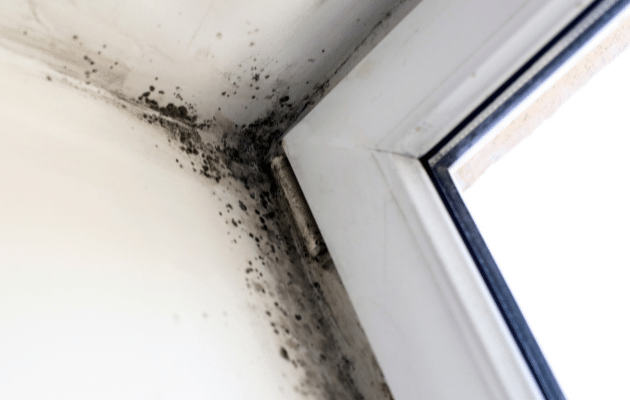
Is Mold Dangerous in Brevard County? What Merritt Island Property Owners Should Know
Short answer: yes, mold can be dangerous—but not always in the dramatic, movie-scene way people imagine. In Merritt Island and throughout Brevard County, mold is common because the climate makes moisture control hard. The real danger comes from long-term exposure, hidden growth, and ignored moisture, not from every tiny spot you see on a wall.
This guide explains what mold actually does to people and homes, who’s most at risk, and when mold becomes a real problem that needs action.
Why Mold Is So Common in Brevard County
Brevard County homes deal with:
- High humidity most of the year
- Frequent rain and storms
- Warm temperatures that speed mold growth
- AC systems running almost nonstop
Mold doesn’t need a flood or disaster. In this climate, persistent humidity or small moisture problems are enough. That’s why mold is so widespread—and why it often goes unnoticed until symptoms appear.
What Makes Mold Dangerous (and What Doesn’t)
Not all mold is automatically dangerous. The risk depends on:
- How much mold is present
- Where it’s growing
- How long people are exposed
- Who is exposed
A small, isolated surface spot that dries quickly is very different from hidden mold growing behind walls or inside HVAC systems.
How Mold Affects Health
Mold releases microscopic spores into the air. When inhaled over time, those spores can irritate the respiratory system.
Common symptoms
- Persistent coughing
- Nasal congestion or sneezing
- Throat irritation
- Sinus pressure or headaches
- Eye irritation
More serious reactions
- Worsening asthma
- Increased allergy sensitivity
- Shortness of breath or wheezing
- Chronic sinus issues
Symptoms often improve when people leave the house, which is a strong clue indoor air quality is involved.
Who Is Most at Risk in Brevard County Homes
Some people are affected much more than others.
Higher-risk groups include:
- Children
- Older adults
- People with asthma or allergies
- Individuals with compromised immune systems
- Anyone with chronic respiratory conditions
For these groups, even moderate mold exposure can cause ongoing health problems.
Mold and Indoor Air Quality
One of the biggest dangers of mold isn’t what you see—it’s what you breathe.
In many Merritt Island homes:
- Mold grows behind drywall or under floors
- Spores circulate through HVAC systems
- Odors and particles spread far from the source
This is why people can feel sick even when there’s “no visible mold.” Hidden growth still affects air quality.
Is “Black Mold” More Dangerous?
This is one of the biggest misconceptions.
Color does not determine danger.
- Not all black mold is toxic
- Not all harmful mold is black
Health effects depend on exposure level and duration, not color. Focusing on “black mold” often distracts from the real issue: indoor mold growth and moisture problems.
When Mold Becomes a Serious Problem
Mold becomes dangerous when:
- It keeps coming back after cleaning
- It’s linked to water damage or leaks
- You smell mold but can’t see it
- Multiple rooms are affected
- HVAC systems, attics, or garages are involved
- Health symptoms are present
At this point, mold is no longer just a maintenance issue—it’s an indoor air quality concern.
Structural and Property Risks
Mold doesn’t just affect health.
Over time, it can:
- Break down drywall and insulation
- Damage wood framing
- Ruin flooring and cabinets
- Lower property value
- Complicate insurance claims
Ignoring mold often leads to larger, more expensive repairs later.
Why Mold Is Often Underestimated in Florida
Many property owners assume:
- “Everyone has mold here”
- “It’s just part of living in Florida”
While mold is common, chronic indoor mold is not normal. Homes that control moisture properly do not have recurring mold problems.
What Actually Makes Mold Less Dangerous
The goal isn’t panic—it’s control.
Effective protection includes:
- Keeping indoor humidity between 30–50%
- Fixing leaks and water intrusion quickly
- Addressing AC condensation issues
- Investigating musty odors early
- Drying materials within 24–48 hours after getting wet
Mold becomes dangerous when moisture is ignored—not simply because mold exists.
When to Call a Professional
Professional help is recommended if:
- Mold keeps returning
- You smell mold without seeing it
- Walls or floors feel soft or damp
- HVAC or attic areas may be involved
- Anyone in the home has respiratory symptoms
Early inspection often prevents full remediation later.
Final Takeaways for Brevard County Property Owners
So, is mold dangerous in Brevard County? It can be, especially when it’s hidden, recurring, or affecting indoor air quality.
Key points to remember:
- Mold danger depends on exposure and moisture
- Hidden mold is more common than visible mold
- Health symptoms are a major warning sign
- Humidity control is critical in this climate
- Early action reduces both health risk and cost
If you’re dealing with musty odors, recurring mold, or unexplained respiratory symptoms, it’s worth taking seriously. Mold doesn’t need to be dramatic to be harmful—it just needs time and moisture.
If you want help deciding whether mold in your home is a real risk, where it’s likely hiding, or what steps make sense next, just say the word.
