
Mold in Air Ducts in Merritt Island: What Merritt Island Property Owners Should Know
Air conditioning is a constant part of life in Merritt Island. With long summers, coastal humidity, and year-round moisture exposure from nearby waterways like the Banana River, Indian River, and Sykes Creek, most homes depend heavily on their HVAC systems to stay comfortable.
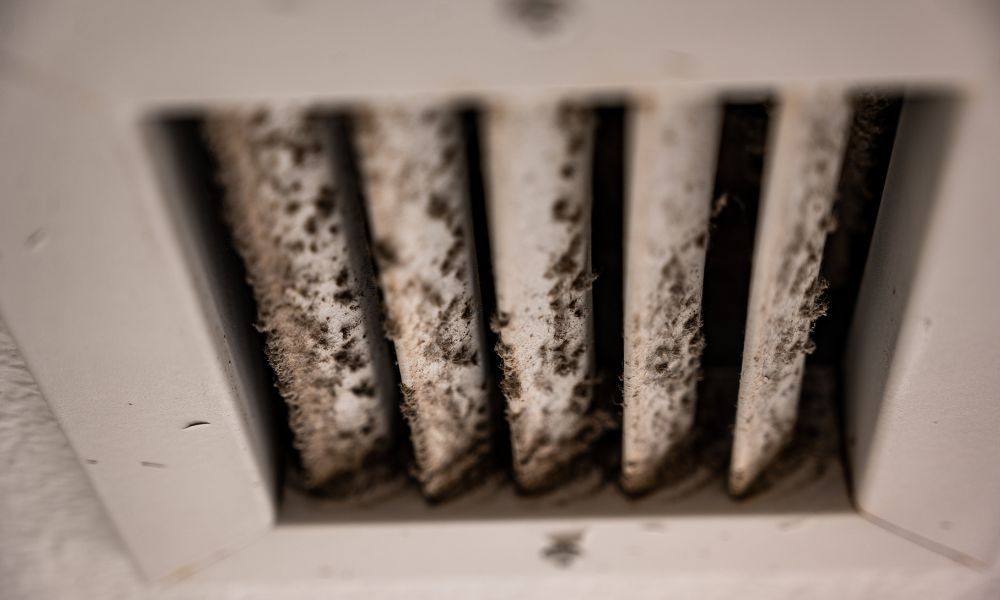
But when moisture enters air duct systems, mold can develop in places homeowners rarely see. Mold inside air ducts is especially concerning because the system distributes air throughout the entire home, meaning contamination can spread from room to room.
Many Merritt Island property owners don’t realize their ductwork has a problem until odors, dust, or air quality changes become noticeable. Understanding why mold forms in air ducts, what signs to watch for, and how proper solutions work can help protect both indoor comfort and property value.
Understanding Mold in Air Duct Systems
Air ducts carry cooled or heated air from the HVAC system to each room. These ducts often run through attics, walls, or crawl spaces where temperature and moisture differences are common.
Mold grows when three conditions exist:
- Moisture
- Organic material such as dust buildup
- Warm temperatures
Dust naturally collects inside duct systems over time. When condensation or humidity adds moisture, mold spores can settle and begin growing inside ducts or on surrounding insulation.
In Merritt Island homes, mold contamination may occur:
- Inside supply or return ducts
- On duct insulation
- Around air vents and registers
- Inside air handler units
- Near condensation areas
Once mold develops, spores can circulate every time the system runs.
Why Air Duct Mold Happens So Often in Merritt Island
Homes across Merritt Island face unique environmental conditions that make duct moisture problems common.
Coastal Humidity Exposure
Living near Banana River and Indian River means humidity remains high throughout much of the year. Even with AC running, moisture often lingers in attics and crawl spaces where ducts are located.
Warm, humid air contacting cold ducts creates condensation that can soak insulation or leak into duct systems.
Attic Temperature Differences
Most Merritt Island homes have ducts running through hot attic spaces. When cold air flows through ducts in these hot environments, condensation forms easily on duct surfaces.
If insulation is damaged or ducts are poorly sealed, moisture accumulates quickly.
AC System Condensation
Air conditioning systems remove humidity from indoor air, producing condensation during operation. Drainage problems or airflow issues can cause moisture to remain in ducts or nearby components.
Over time, this moisture allows mold to grow.
Aging or Poorly Maintained Systems
Older duct systems often have leaks, disconnected sections, or deteriorated insulation. These issues allow humid attic air to enter ductwork and increase moisture problems.
Homes in older parts of North and South Merritt Island often experience these conditions.
Signs Mold May Be Present in Air Ducts
Because ducts are hidden, mold usually reveals itself through indirect signs.
Common warning signs homeowners notice include:
- Musty odors when the AC turns on
- Smell strongest near vents
- Increased dust inside the home
- Allergy or respiratory irritation indoors
- Visible dark spots around air vents
- Uneven airflow or cooling performance
- Increased indoor humidity
Some homeowners only discover duct mold during renovations or HVAC inspections.
Hidden Mold Areas Inside Duct Systems
Even when mold appears near vent openings, the real source often lies deeper in the duct system.
Common hidden contamination areas include:
- Inside flexible duct insulation
- Around return air plenums
- Near air handler cabinets
- Inside attic duct runs
- Around condensation-prone duct sections
- In areas affected by past roof leaks or storms
Homes affected by previous hurricane or storm damage sometimes experience lingering duct moisture issues that were never fully corrected.
Why DIY Air Duct Cleaning Often Fails
Homeowners sometimes try to solve duct mold by cleaning vent covers or using household disinfectants. Unfortunately, these approaches rarely solve the actual problem.
Common DIY mistakes include:
- Cleaning only visible vents
- Spraying chemicals into ducts
- Ignoring moisture sources
- Failing to repair duct leaks
Surface cleaning doesn’t reach contamination deeper inside ducts. If moisture remains, mold returns quickly.
Improper cleaning can also spread spores throughout the home.
How Professional Air Duct Inspection Works
Professional inspections aim to determine whether mold is present and why moisture exists inside the duct system.
A proper evaluation typically includes:
- Inspection of accessible ductwork
- Air handler and coil evaluation
- Drain pan and condensation checks
- Airflow assessment
- Moisture testing
- Vent and return inspection
In certain cases, air sampling may help determine whether HVAC contamination is affecting indoor air quality.
Inspection findings are explained clearly so homeowners understand next steps.
Proper Mold Remediation for Air Duct Systems
Professional remediation focuses on both removing contamination and correcting moisture conditions.
Typical remediation may involve:
- Cleaning or replacing contaminated duct sections
- Treating affected components
- Correcting condensation or airflow problems
- Repairing duct insulation
- Sealing leaks or gaps
- Cleaning HVAC components
Companies such as Mold Removal Merritt Island focus on correcting root causes rather than simply cleaning surfaces.
The goal is long-term prevention, not temporary improvement.
Preventing Mold Growth in Merritt Island Duct Systems
Homeowners can reduce duct mold risk through routine maintenance and moisture control.
Helpful prevention steps include:
- Replace HVAC filters regularly
- Schedule annual AC maintenance
- Inspect attic ducts periodically
- Seal duct leaks
- Maintain proper insulation around ducts
- Clear AC drain lines
- Address attic moisture issues quickly
- Check ducts after major storms
Homes near waterways benefit from more frequent inspections due to increased humidity exposure.
Why Local Experience Matters
Duct moisture problems behave differently in Merritt Island compared to inland regions. Local professionals understand:
- Coastal humidity effects on duct systems
- Common attic ventilation challenges
- Island home construction styles
- Storm-related moisture patterns
- HVAC demands in Florida homes
Local experience allows quicker identification of moisture sources and more effective solutions.
Homeowners benefit from professionals familiar with neighborhood building conditions across Merritt Island.
A Calm Next Step for Property Owners
If your home develops musty odors when the AC runs or you notice dust and air quality changes, it may be wise to have ductwork inspected.
Early evaluation prevents contamination from spreading and keeps HVAC systems operating efficiently.
A professional inspection provides clarity, helping homeowners understand whether mold is present and what steps are needed.
Across Merritt Island communities, addressing duct moisture early often prevents larger problems later and helps maintain comfortable indoor environments.
Image Generation Prompts
- Mold growth visible inside residential air duct system in a Florida coastal home attic, realistic textures, clean environment, no people, no text or logos.
- HVAC duct insulation damaged by condensation with mold forming in a humid coastal attic, professional inspection viewpoint, uncluttered scene, no branding.
- Mold contamination around ceiling air vent connected to ductwork in a Merritt Island home due to humidity, clean realistic lighting, no people or logos.
