
Mold in Condos in Brevard County: What Merritt Island Property Owners Should Know
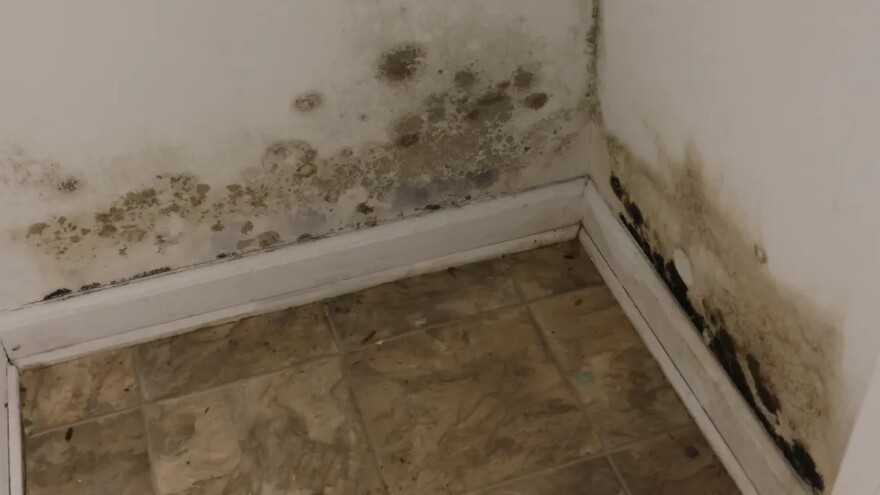
Condo living is extremely common across Brevard County, especially in coastal areas like Merritt Island. While condos offer convenience and shared maintenance, they also come with unique mold risks that many owners don’t anticipate. Mold problems in condos are often more complex than in single-family homes because moisture, air, and building systems are shared across units.
For Merritt Island condo owners, mold issues are rarely isolated. What happens in one unit — or even in common building areas — can directly affect neighboring condos. Understanding how mold develops in condo environments, where it hides, and why it keeps coming back is essential for protecting both property value and indoor comfort.
Why Condos in Brevard County Are More Vulnerable to Mold
Condos face environmental and structural challenges that increase mold risk.
- Coastal humidity throughout Brevard County
- High water tables affecting slab foundations
- Shared walls, ceilings, and floors
- Centralized HVAC or plumbing systems
- Limited control over neighboring units
- Older coastal construction common in Merritt Island
- Frequent storms and wind-driven rain
Because moisture can travel between units, mold problems often spread beyond the original source.
How Mold Develops in Condo Buildings
Mold in condos usually develops quietly and spreads gradually.
- Moisture enters through humidity, leaks, or condensation
- Shared walls and ceilings trap moisture
- Limited airflow inside wall cavities slows drying
- Mold begins growing behind surfaces
- Air movement spreads spores between units
In Brevard County condos, mold often grows out of sight long before it’s discovered.
Common Places Mold Is Found in Condos
Professional inspections frequently uncover mold in predictable condo locations.
Behind shared walls
Moisture from neighboring units can migrate into adjacent wall cavities.
Under flooring
Slab moisture and leaks spread beneath tile, vinyl, or laminate flooring.
Bathrooms and kitchens
Shared plumbing lines increase leak and condensation risk.
HVAC systems
Air handlers and ductwork collect condensation in humid environments.
Around windows and sliding doors
Salt air and wind-driven rain degrade seals, allowing moisture intrusion.
Ceilings below other units
Leaks from upstairs bathrooms or AC systems often go unnoticed at first.
Why Condo Mold Problems Are Harder to Detect
Condo mold often hides longer than in single-family homes.
- Moisture sources may be outside the unit
- Odors are blamed on neighbors or hallways
- Damage spreads behind shared surfaces
- Repairs in one unit don’t stop moisture from another
By the time mold is visible, it may already involve multiple units.
Early Warning Signs Condo Owners Should Watch For
Subtle signs often appear before visible mold.
- Musty odors with no clear source
- Mold that keeps returning after cleaning
- Bubbling paint or peeling drywall
- Condensation near vents or windows
- Floors feeling cool or damp
- Odors worsening after rain or humidity spikes
These symptoms often point to shared moisture issues, not simple surface mold.
Why DIY Mold Cleanup Often Fails in Condos
DIY mold cleanup is especially risky in condo environments.
DIY efforts fail because:
- Mold often extends beyond the unit
- Cleaning doesn’t address shared moisture sources
- Hidden mold remains inside walls and ceilings
- Moisture continues migrating from neighboring units
- Mold quickly returns
In Brevard County condos, DIY cleanup often delays proper remediation and increases repair complexity.
Mold Cleanup vs. Mold Remediation in Condos
Understanding the difference is critical for condo owners.
Mold cleanup
- Removes visible mold only
- Cosmetic improvement
- No correction of shared moisture sources
- Mold returns
Mold remediation
- Identifies hidden mold growth
- Uses containment to prevent spread
- Removes affected materials when necessary
- Addresses moisture sources within and beyond the unit
- Focuses on long-term prevention
Condos almost always require professional remediation, not surface cleaning.
How Professional Inspections Address Condo Mold
Professional inspections focus on moisture movement across units, not just one space.
They often include:
- Moisture readings in walls, floors, and ceilings
- HVAC and condensation assessment
- Plumbing inspection in affected areas
- Evaluation of shared building systems
- Identification of intrusion from adjacent units
Mold Removal Merritt Island frequently finds condo mold linked to shared plumbing, slab moisture, and HVAC condensation, not individual neglect.
Mold, HOAs, and Shared Responsibility
Condo mold issues often involve shared responsibility.
- Common elements may fall under HOA maintenance
- Unit interiors may be owner responsibility
- Mold sources may originate outside the affected unit
Understanding where moisture originates is essential before remediation begins.
Why Mold Keeps Coming Back in Condos
Recurring mold usually means the building-level issue wasn’t addressed.
Common causes include:
- Ongoing slab moisture
- Leaks in shared plumbing lines
- HVAC condensation affecting multiple units
- Exterior seal failures
- Poor ventilation in common areas
Without coordinated solutions, mold often returns.
Preventing Mold in Brevard County Condos
Prevention focuses on early detection and moisture control.
- Monitor indoor humidity levels
- Address leaks immediately
- Inspect around shared walls and ceilings
- Maintain HVAC systems consistently
- Report moisture issues promptly
- Schedule inspections when odors persist
In condos, timing matters — early action prevents wider spread.
Why Local Brevard County Condo Experience Matters
Condo mold behaves differently in coastal environments. Local experience matters because professionals understand:
- Coastal humidity patterns
- Slab foundation behavior
- Common condo construction styles
- Shared system moisture risks
- HOA-related remediation challenges
Mold Removal Merritt Island applies this local knowledge to identify condo mold accurately and prevent repeat issues.
A Practical Takeaway for Condo Owners
Mold in condos in Brevard County is rarely just a unit-level issue. It’s usually a shared moisture problem influenced by coastal humidity, slab foundations, and interconnected systems.
For Merritt Island property owners, early inspection, professional remediation, and attention to shared moisture sources are the most effective ways to control mold, protect indoor comfort, and preserve condo property value in a coastal environment where moisture is always present.
