
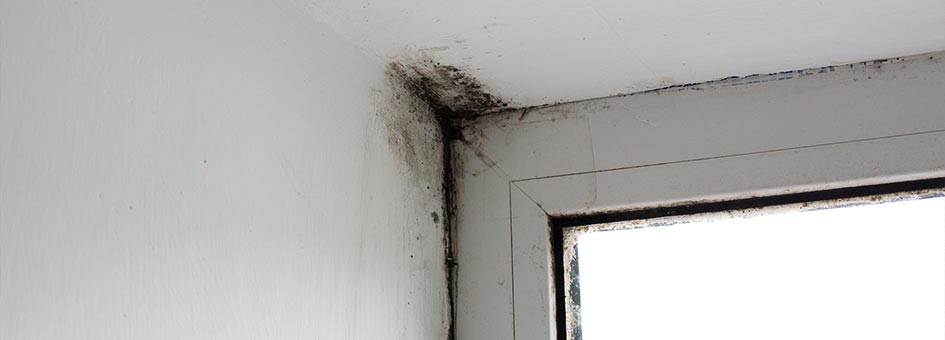
Mold Myths and Facts in Indian River: What Merritt Island Property Owners Should Know
Mold is one of the most misunderstood home issues in Indian River. Bad advice spreads faster than mold itself—especially in humid coastal areas like Merritt Island. The result? Property owners waste time, money, and effort fighting the wrong battle while mold quietly keeps growing.
Let’s clear the air. Below are the most common mold myths—and the facts that actually protect your home and health.
Myth #1: “If I can’t see mold, I don’t have mold”
Fact: Most mold problems are hidden.
In Indian River homes, mold often grows:
- Behind drywall
- Inside wall cavities
- Under flooring
- In insulation
- Inside HVAC systems
By the time mold becomes visible, it’s usually been active for weeks or months. Musty odors, recurring humidity, or health symptoms often appear long before stains do.
Myth #2: “Bleach kills mold completely”
Fact: Bleach only treats the surface—and often makes things worse.
Bleach:
- Does not penetrate drywall, wood, or insulation
- Leaves moisture behind as it evaporates
- Can feed mold deeper inside porous materials
You may see the stain disappear, but the mold colony underneath survives and regrows. This is one of the biggest reasons mold “keeps coming back.”
Myth #3: “Mold only grows after floods or major leaks”
Fact: Mold commonly grows without obvious water damage.
In Indian River, mold is often caused by:
- High indoor humidity
- AC condensation problems
- Poor ventilation
- Minor rain intrusion
- Moisture wicking through slabs
Mold needs moisture—not disasters. Humidity above 55–60% for extended periods is enough.
Myth #4: “All mold is dangerous black mold”
Fact: Color doesn’t determine risk.
Not all dark mold is “toxic,” and not all harmful mold is black. Health effects depend on:
- Amount of mold present
- Airborne spore levels
- Length of exposure
- Individual sensitivity
Focusing on color distracts from what matters: is mold growing indoors, and is it affecting air quality?
Myth #5: “Once you clean mold, the problem is solved”
Fact: Cleaning without fixing moisture guarantees return.
If mold comes back, it means:
- Moisture is still present
- Humidity is too high
- Mold is growing behind the surface
- Spores are spreading from another area
Mold is a moisture problem first and a cleaning problem second.
Myth #6: “If my house feels cool, humidity must be under control”
Fact: Cool air can still be very humid.
Common Indian River issue:
- Oversized AC systems cool quickly
- Short run times don’t remove enough moisture
- Indoor air feels clammy, not dry
Mold responds to humidity, not temperature. Many homes with active mold stay in the low 70s but have humidity well above safe levels.
Myth #7: “Mold testing is always required”
Fact: Testing is useful—but not always necessary.
Mold testing helps when:
- Mold is suspected but not visible
- Odors persist without a clear source
- HVAC contamination is possible
- Documentation is needed for insurance or real estate
If mold is obvious and extensive, testing may not change the next step. Inspection and moisture detection usually come first.
Myth #8: “Painting over mold fixes the problem”
Fact: Paint hides mold—it doesn’t stop it.
Painting over mold:
- Traps moisture in walls
- Allows mold to keep growing underneath
- Leads to bubbling, staining, and regrowth
If mold bleeds through paint, that’s confirmation the problem was never resolved.
Myth #9: “Mold is only a cosmetic issue”
Fact: Mold affects air quality and health.
As mold grows, it releases spores that circulate through the home—especially via HVAC systems.
Common symptoms include:
- Persistent coughing
- Nasal congestion or sneezing
- Sinus pressure or headaches
- Worsening asthma or allergies
If symptoms improve when you leave the house, indoor mold exposure is a strong suspect.
Myth #10: “Mold problems are just part of living in Florida”
Fact: Mold is common—but not unavoidable.
Indian River homes face challenges:
- High humidity
- Frequent storms
- Warm temperatures
But homes that manage moisture correctly don’t have chronic mold. Mold isn’t a Florida requirement—it’s a sign something isn’t drying or draining properly.
The Real Truth About Mold in Indian River Homes
Here’s what actually matters:
- Mold grows where moisture persists
- Humidity control is critical
- Hidden mold is more common than visible mold
- Surface cleaning alone rarely works
- Fixing the source stops mold long-term
Once property owners understand these facts, mold becomes manageable instead of mysterious.
How to Protect Your Home Using Facts, Not Myths
- Keep indoor humidity between 30–50%
- Address AC condensation and drainage issues quickly
- Investigate musty odors early
- Don’t rely on bleach or paint as solutions
- Inspect hidden areas after leaks or storms
The earlier you act, the simpler—and cheaper—the solution usually is.
Final Takeaways for Indian River Property Owners
Mold myths lead to repeat problems. Facts lead to permanent solutions.
Key points to remember:
- Mold is usually hidden
- Moisture control matters more than cleaners
- Humidity is the real enemy
- Color doesn’t equal danger
- Early action prevents costly remediation
If you’ve been told something about mold that never quite matched your experience, you’re probably right to question it. Understanding what’s true—and what isn’t—puts you back in control of your home.
If you want help sorting out what’s myth vs. reality in your specific situation, whether mold is likely hidden, or what to address first, just let me know.
