
Salt Air and Mold Growth in Banana River: What Merritt Island Property Owners Should Know
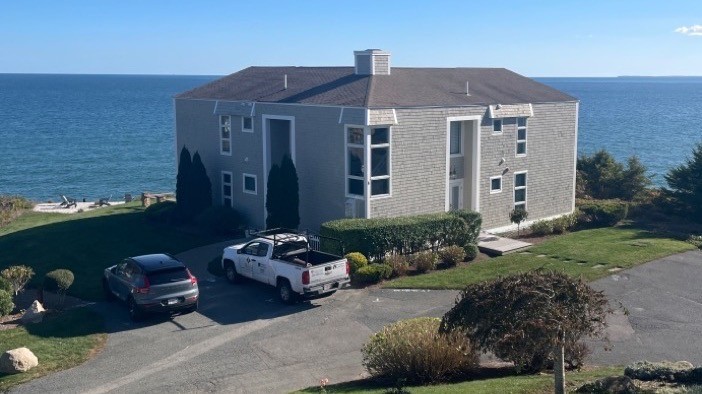
Living near the Banana River is one of Merritt Island’s biggest lifestyle perks — cooling breezes, waterfront views, and direct access to the lagoon. But that same environment also creates one of the most aggressive mold-growth conditions in Brevard County. Salt air doesn’t just rust metal and fade paint. It quietly accelerates moisture retention, material breakdown, and hidden mold growth inside homes.
For property owners along the Banana River, mold problems are rarely caused by a single leak or obvious flood. Instead, they develop over time due to constant salt-laden humidity interacting with building materials, HVAC systems, and slab foundations. Understanding this relationship is key to preventing recurring mold issues.
Why Salt Air Changes How Mold Grows Near the Banana River
Salt air behaves differently than normal humidity. It doesn’t just make the air damp — it holds moisture against surfaces longer.
In Banana River homes, salt air:
- Increases surface moisture retention
- Slows evaporation on walls, ceilings, and flooring
- Degrades seals, caulking, and exterior finishes
- Accelerates corrosion of HVAC components
- Allows moisture to penetrate deeper into materials
This creates ideal conditions for mold, even when no visible water damage exists.
How Salt Air and Humidity Work Together
Salt particles in the air are hygroscopic, meaning they attract and hold water.
This means:
- Surfaces stay damp longer
- Condensation forms more easily
- Materials absorb moisture faster
- Drying takes longer after rain or storms
In Banana River homes, mold doesn’t need standing water. Salt-enhanced humidity alone is often enough.
Common Areas Affected by Salt-Air Mold Growth
Salt air impacts the entire structure, but mold shows up most often in specific areas.
HVAC systems
Salt air accelerates corrosion inside air handlers and ductwork, increasing condensation and mold growth.
Under flooring
Moisture vapor rises through slab foundations and becomes trapped beneath tile, vinyl, or laminate.
Lower walls and baseboards
Salt-laden humidity settles near the slab line, allowing mold to form behind drywall.
Bathrooms and kitchens
Steam combines with salt air to keep surfaces damp longer than expected.
Behind cabinets and vanities
Restricted airflow traps moisture against exterior walls.
Attics
Warm salt air condenses on roof decking when ventilation is insufficient.
Why Banana River Homes Dry Slower Than Inland Homes
Property owners often assume opening windows helps dry the house.
Near the Banana River:
- Outdoor air is already saturated with moisture
- Salt particles reduce evaporation efficiency
- Ventilation alone doesn’t lower moisture levels
This is why mold problems persist even in well-ventilated waterfront homes.
Early Signs of Salt-Air-Driven Mold Growth
Salt-air mold issues often show subtle warning signs.
- Musty odors that come and go
- Mold returning after cleaning
- Sticky or damp-feeling surfaces
- Peeling paint or caulk failure
- Discoloration near vents or baseboards
- Odors that worsen after windy or humid days
These symptoms usually indicate environmental moisture, not housekeeping issues.
Why Mold Keeps Returning in Banana River Homes
Recurring mold is extremely common in salt-air environments.
Typical reasons include:
- Moisture vapor rising through slab foundations
- HVAC systems struggling to dehumidify
- Salt air degrading seals and insulation
- Flooring trapping moisture underneath
- Exterior materials breaking down faster
Without addressing these root causes, mold removal becomes a temporary fix.
DIY Cleaning and Salt-Air Mold: Why It Fails
Salt-air-driven mold cannot be solved with surface cleaning.
DIY methods fail because:
- Bleach doesn’t penetrate porous materials
- Mold remains behind walls and under flooring
- Salt residue continues attracting moisture
- HVAC condensation remains uncorrected
- Mold returns quickly in coastal air
In Banana River homes, repeated DIY attempts often make mold problems more expensive over time.
Mold Cleanup vs. Mold Remediation in Salt-Air Environments
Understanding this difference is critical.
Mold cleanup
- Removes visible mold only
- No control of salt-air moisture
- No humidity correction
- Mold returns
Mold remediation
- Identifies hidden mold growth
- Uses containment to prevent spread
- Removes contaminated materials when needed
- Addresses slab moisture and humidity balance
- Focuses on long-term prevention
Salt-air environments almost always require true remediation, not cosmetic cleanup.
How Professionals Identify Salt-Air Mold Issues
Professional inspections focus on moisture behavior, not just visible growth.
They typically include:
- Moisture readings in slabs and walls
- HVAC condensation assessment
- Evaluation of ventilation effectiveness
- Inspection of exterior seal degradation
- Identification of salt-air exposure patterns
Mold Removal Merritt Island frequently finds Banana River mold issues tied to environmental moisture, not plumbing failures.
Salt Air, HVAC Systems, and Mold
HVAC systems are especially vulnerable near the Banana River.
- Salt accelerates corrosion on coils and drain pans
- Corroded components hold moisture longer
- Condensation increases inside the system
- Mold spreads through ductwork
This is why salt-air mold often becomes a whole-home issue.
Preventing Mold Growth in Salt-Air Environments
Prevention requires consistency and awareness.
- Maintain steady indoor temperatures
- Avoid shutting AC off for long periods
- Monitor indoor humidity levels
- Maintain HVAC drainage and airflow
- Inspect flooring and baseboards regularly
- Reseal exterior penetrations proactively
- Schedule inspections when odors persist
In coastal homes, prevention is ongoing — not seasonal.
Why Local Banana River Experience Matters
Salt-air mold behaves differently than inland mold. Local experience matters because professionals understand:
- Lagoon-driven humidity cycles
- Salt air material degradation patterns
- Slab foundation moisture behavior
- HVAC challenges unique to waterfront homes
- Storm-driven moisture intrusion near the Banana River
Mold Removal Merritt Island applies this local knowledge to identify salt-air mold accurately and prevent recurring issues.
A Practical Takeaway for Property Owners
Salt air and mold growth in Banana River homes go hand in hand. The biggest mistake property owners make is treating mold as a cleaning issue instead of an environmental moisture problem driven by coastal conditions.
For Merritt Island property owners, early inspection, proper remediation, and consistent humidity control are the most effective ways to manage salt-air mold, protect indoor comfort, and preserve long-term property value in a waterfront environment where moisture never fully disappears.
