
Mold Under Flooring in North Merritt Island: What Merritt Island Property Owners Should Know
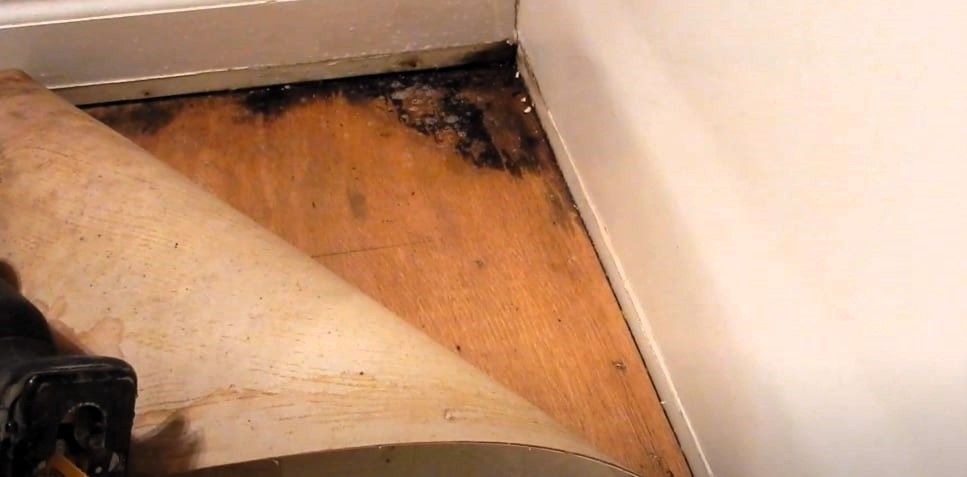
Mold under flooring is one of the most common and most costly hidden mold problems in North Merritt Island homes. Because it develops beneath finished surfaces, many property owners don’t realize there’s an issue until odors appear, floors feel uneven, or mold shows up elsewhere in the house. By that point, moisture has often been active for a long time.
In a coastal environment influenced by nearby waterways, high water tables, slab foundations, and year-round air conditioning, moisture behaves differently than most homeowners expect. Understanding why mold forms under flooring, how it spreads, and what actually stops it helps North Merritt Island property owners avoid repeat problems and major repairs.
Why Mold Under Flooring Is So Common in North Merritt Island
Several local conditions make flooring systems especially vulnerable.
- Persistent coastal humidity
- Proximity to waterways and wetlands
- High water tables affecting slab foundations
- Concrete slabs that absorb and release moisture slowly
- Heavy AC use that cools surfaces rapidly
- Warm temperatures year-round
Even when floors look dry on the surface, moisture can remain trapped underneath — exactly where mold thrives.
How Mold Develops Beneath Flooring
Mold under flooring rarely starts with visible damage.
- Moisture enters through leaks, condensation, or ground vapor
- Concrete slabs absorb moisture
- Flooring materials trap moisture above the slab
- Airflow beneath flooring is nearly nonexistent
- Materials stay damp for extended periods
- Mold begins growing out of sight
In North Merritt Island’s humid climate, this process can happen quietly and continuously.
Flooring Types Most Affected by Hidden Mold
Certain flooring materials are more prone to trapping moisture.
Tile flooring
Grout lines allow moisture to migrate downward, where it becomes trapped beneath tiles.
Laminate flooring
Laminate is highly sensitive to moisture and can conceal mold until it swells or buckles.
Vinyl and luxury vinyl plank (LVP)
Vinyl is waterproof on top, which traps moisture underneath against the slab.
Engineered wood
Layered construction absorbs moisture easily and hides mold beneath planks.
Carpet
Padding absorbs moisture and dries very slowly in humid environments.
Common Sources of Moisture Under Flooring
Hidden mold under floors is almost always moisture-driven.
Slab moisture
High water tables allow moisture vapor to rise through concrete foundations.
Plumbing leaks
Slow leaks under bathrooms, kitchens, or laundry areas often spread beneath flooring.
AC condensation
Condensation from air handlers, ducts, or drain line issues can soak floors unnoticed.
Past water damage
Even after visible drying, moisture can remain sealed beneath flooring.
Storm-related intrusion
Wind-driven rain and minor flooding often leave moisture trapped below finished surfaces.
Early Warning Signs Property Owners Often Miss
Mold under flooring gives subtle clues before major damage appears.
- Musty or earthy odors with no visible source
- Floors that feel cool or slightly damp
- Soft, spongy, or uneven spots
- Buckling, lifting, or separating planks
- Grout discoloration that returns after cleaning
- Odors that worsen after rain or high humidity
These signs usually indicate moisture beneath the floor, not surface mold.
Why Mold Under Flooring Often Goes Undetected
Hidden mold beneath floors is difficult to catch early.
- Flooring hides moisture from view
- Surfaces dry faster than what’s underneath
- Odors develop gradually
- Damage appears late
By the time flooring shows visible damage, mold is rarely new.
Why DIY Cleaning Doesn’t Solve the Problem
Surface cleaning can’t reach mold under flooring.
DIY efforts fail because:
- Bleach doesn’t penetrate flooring systems
- Mold remains sealed beneath materials
- Moisture sources stay active
- Scrubbing spreads spores into the air
- Mold continues growing unseen
In North Merritt Island homes, DIY cleanup often delays proper remediation and increases repair costs.
Mold Cleanup vs. Mold Remediation Under Flooring
This distinction is critical.
Cleanup
- Surface treatment only
- Cosmetic improvement
- No moisture correction
- Mold returns
Remediation
- Identifies hidden mold
- Uses containment to prevent spread
- Removes affected flooring when necessary
- Dries and treats the slab properly
- Corrects moisture sources
- Focuses on long-term prevention
Mold under flooring almost always requires professional remediation, not surface cleaning.
How Professionals Identify Mold Under Flooring
Professional inspections focus on moisture behavior, not just visible mold.
They often include:
- Moisture readings through flooring and slabs
- Infrared or thermal analysis
- Plumbing and HVAC evaluation
- Assessment of slab moisture migration
- Identification of intrusion points
Mold Removal Merritt Island frequently finds under-floor mold caused by slab moisture and condensation, not dramatic leaks.
Why Mold Under Flooring Keeps Coming Back
Recurring mold usually means moisture wasn’t fully resolved.
Common causes include:
- Slab moisture not addressed
- Flooring reinstalled too soon
- AC humidity imbalance
- Undetected plumbing leaks
- Poor ventilation
Each humid period or storm reactivates the same damp conditions.
Mold Under Flooring and Indoor Air Quality
Mold beneath floors doesn’t stay isolated.
- Spores migrate upward through seams and edges
- Odors move into living spaces
- HVAC systems circulate contamination
- Mold appears elsewhere over time
This is why flooring mold often leads to problems in multiple rooms.
Preventing Mold Under Flooring in North Merritt Island
Prevention focuses on moisture control and early detection.
- Maintain steady indoor temperatures
- Avoid turning AC off for long periods
- Monitor indoor humidity levels
- Address plumbing leaks immediately
- Inspect flooring after storms or water events
- Allow proper drying before reinstalling floors
- Schedule inspections when odors persist
Consistency is essential in coastal homes.
Why Local North Merritt Island Experience Matters
Mold under flooring behaves differently in coastal environments. Local experience matters because professionals understand:
- High water table effects on slab homes
- Coastal humidity cycles
- Storm-driven moisture intrusion
- AC condensation patterns
- Flooring failures common in Merritt Island homes
Mold Removal Merritt Island applies this local knowledge to locate under-floor mold accurately and correct the conditions that allow it to grow.
A Practical Takeaway for Property Owners
Mold under flooring in North Merritt Island isn’t rare — it’s a predictable result of moisture, slabs, and limited airflow in a coastal climate. The real danger isn’t visible stains or warped planks; it’s the mold growing quietly beneath your floors.
For Merritt Island property owners, early inspection, proper remediation, and consistent moisture management are the most effective ways to stop under-floor mold, prevent repeat damage, and protect long-term property value in an environment where humidity is always present.
