
Mold Under Sinks in Brevard County: What Merritt Island Property Owners Should Know
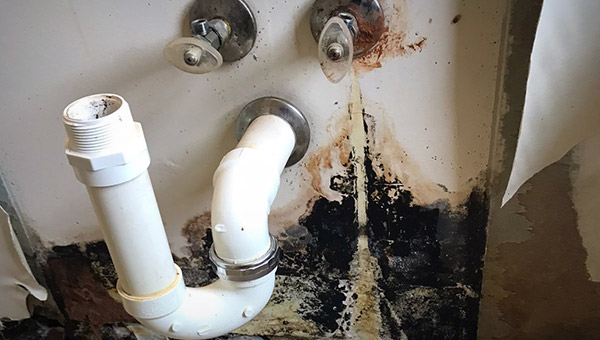
Mold under sinks is one of the most common — and most underestimated — mold problems in Brevard County homes. For property owners in and around Merritt Island, what starts as a small plumbing issue or minor condensation problem often turns into hidden mold growth that goes unnoticed for months. By the time mold is discovered, it’s rarely just a surface issue.
In a coastal, high-humidity environment like Brevard County, under-sink areas create the perfect storm: water lines, drain connections, limited airflow, enclosed cabinets, and warm indoor temperatures. Understanding why mold develops here, how it spreads, and when it becomes a bigger problem helps property owners act early and avoid repeat issues.
Why Mold Under Sinks Is So Common in Brevard County
Homes in Brevard County face moisture pressure year-round, and under-sink cabinets amplify it.
- Persistent coastal humidity
- High water tables affecting slab homes
- Plumbing supply lines that sweat or condense
- Slow or intermittent leaks
- Enclosed cabinets with little airflow
- Warm indoor temperatures
- Salt air degrading plumbing connections and seals
Even when a cabinet looks dry on the outside, moisture can remain trapped underneath.
How Mold Develops Under Sinks
Mold under sinks usually develops quietly.
- Small leaks or condensation introduce moisture
- Cabinet materials absorb humidity
- Limited airflow prevents drying
- Moisture remains trapped behind or beneath the cabinet
- Mold begins growing on wood, drywall, or particleboard
In Brevard County homes, this process can happen faster due to constant humidity.
Common Causes of Under-Sink Mold
Mold under sinks is almost always moisture-driven.
Slow plumbing leaks
Tiny drips from drain connections or supply lines often go unnoticed.
Condensation on cold pipes
Cold water lines sweat in humid conditions, wetting cabinet bases.
Past water damage
Even after repairs, moisture can remain inside cabinet materials.
Poor airflow
Closed cabinets trap humid air and prevent evaporation.
Slab moisture
Ground moisture can migrate upward, affecting cabinet bases near floors.
Where Mold Is Usually Found
Under-sink mold is often hidden until cabinets are emptied.
- Cabinet floors and corners
- Back walls inside cabinets
- Drywall behind cabinets
- Baseboards near sinks
- Flooring beneath cabinets
- Adjacent wall cavities
Once mold starts, it can spread beyond the cabinet area.
Early Warning Signs Property Owners Miss
Under-sink mold often gives subtle clues.
- Musty odors when cabinets are opened
- Cabinet wood that feels soft or swollen
- Discoloration at cabinet bases
- Peeling or bubbling material
- Mold that returns after cleaning
- Increased humidity near kitchens or bathrooms
These signs usually point to ongoing moisture, not surface dirt.
Why Mold Under Sinks Often Goes Undetected
Under-sink areas are easy to overlook.
- Cabinets hide early growth
- Leaks may only occur intermittently
- Odors stay contained until mold spreads
- Damage develops slowly
By the time mold is visible, it’s often been present for weeks or months.
Why DIY Cleaning Rarely Fixes the Problem
Under-sink mold looks simple — but it usually isn’t.
DIY efforts fail because:
- Bleach doesn’t penetrate wood or particleboard
- Scrubbing releases spores into cabinets and nearby rooms
- Hidden mold behind cabinets remains untouched
- Moisture sources stay active
- Mold quickly returns
In Brevard County homes, DIY cleaning often delays proper remediation.
Mold Cleanup vs. Mold Remediation Under Sinks
Understanding the difference matters.
Cleanup
- Surface-level cleaning
- Temporary cosmetic improvement
- No moisture correction
- Mold usually returns
Remediation
- Identifies hidden growth
- Uses containment if needed
- Removes contaminated materials
- Corrects plumbing or condensation issues
- Focuses on long-term prevention
Recurring under-sink mold almost always requires professional remediation.
How Under-Sink Mold Spreads
Mold doesn’t always stay contained inside a cabinet.
- Spores spread into nearby wall cavities
- Mold travels downward into flooring
- Odors migrate into living spaces
- Adjacent rooms become affected
This is especially common in slab-built homes common throughout Brevard County.
Mold Inspections for Under-Sink Issues
Professional mold inspections look beyond visible cabinet mold.
They often include:
- Moisture readings inside cabinets and walls
- Plumbing and drain inspections
- Flooring moisture checks
- Evaluation of surrounding wall cavities
- HVAC airflow assessment
Mold Removal Merritt Island frequently finds under-sink mold tied to slow leaks, condensation, and slab moisture, not major plumbing failures.
When Under-Sink Mold Becomes a Bigger Problem
Under-sink mold deserves immediate attention when:
- Cabinets feel soft or warped
- Mold returns repeatedly
- Odors spread into other rooms
- Flooring shows signs of moisture
- Mold is visible on nearby walls
- Past leaks were extensive
At this point, mold is often no longer isolated.
Preventing Mold Under Sinks in Brevard County
Prevention focuses on moisture awareness and airflow.
- Inspect under sinks regularly
- Address even small leaks immediately
- Insulate cold water lines to reduce condensation
- Keep cabinets dry and ventilated when possible
- Maintain consistent indoor temperatures
- Monitor indoor humidity levels
- Check cabinets after heavy rain or storms
Small habits go a long way in coastal homes.
Why Local Brevard County Experience Matters
Under-sink mold behaves differently in humid coastal environments. Local experience matters because professionals understand:
- Coastal humidity patterns
- Slab foundation moisture behavior
- Plumbing layouts common in Florida homes
- Condensation issues tied to AC use
- Seasonal moisture changes
Mold Removal Merritt Island applies this local knowledge to identify under-sink mold accurately and stop it at the source.
A Practical Takeaway for Property Owners
Mold under sinks in Brevard County isn’t a housekeeping issue — it’s a hidden moisture problem waiting to spread. Because cabinets conceal leaks and restrict airflow, mold can grow quietly for long periods before it’s discovered.
For Merritt Island property owners, early inspection, proper remediation when needed, and consistent moisture management are the most effective ways to prevent under-sink mold from turning into a larger, more costly problem in a coastal environment where humidity is always present.
