
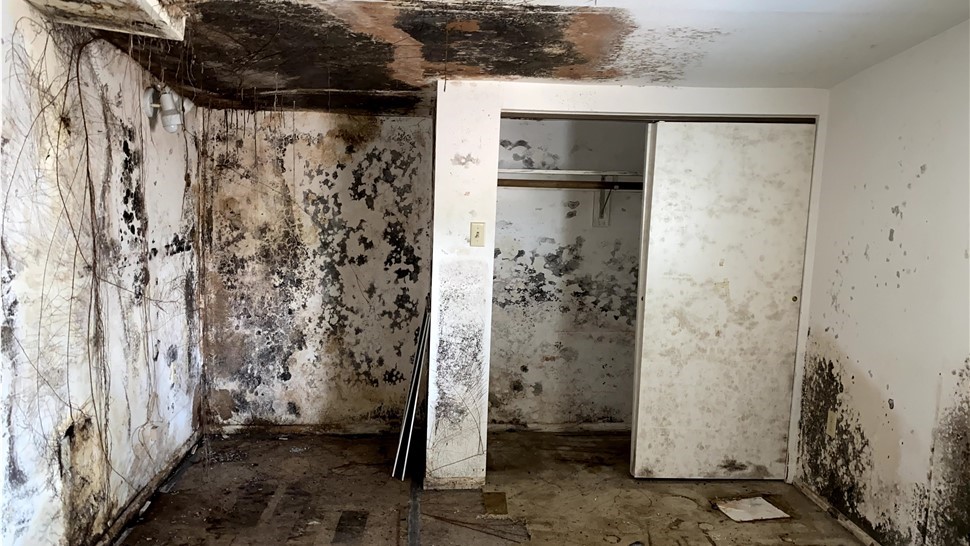
Mold During Florida Summers in Indian River: What Merritt Island Property Owners Should Know
Florida summers in Indian River are brutal on homes. Heat, daily storms, and nonstop humidity push moisture levels to the edge—and then past it. For property owners in Merritt Island, summer is the season when mold problems quietly explode, often without a single obvious leak.
If your house feels clammy, smells musty, or starts showing mystery stains between June and September, this isn’t coincidence. It’s summer moisture overwhelming your home’s ability to dry.
Why Florida Summers Are Peak Mold Season in Indian River
Summer creates the perfect storm for mold growth.
Here’s what Indian River homes are up against:
- Daily heat driving humidity sky-high
- Frequent afternoon thunderstorms
- Warm nights with little drying time
- AC systems running almost nonstop
- Ground and building materials staying damp
Mold doesn’t need flooding. It just needs materials that never fully dry—and Florida summers make that easy.
How Mold Develops During Summer Months
Mold needs three things:
- Moisture
- Organic material
- Time
Summer supplies all three on repeat.
What typically happens:
- Humid outdoor air infiltrates the home
- Cool indoor surfaces create condensation
- AC systems struggle to remove enough moisture
- Walls, closets, and insulation stay damp for days
Once moisture hangs around longer than 24–48 hours, mold can start growing—even without visible water damage.
Most Common Summer Mold Triggers
High Humidity Indoors
Many homes stay cool but too humid. An AC that cools quickly but doesn’t run long enough leaves moisture behind. Indoor humidity above 55–60% is a mold invitation.
AC Condensation Problems
Summer pushes AC systems to their limit:
- Clogged drain lines
- Overflowing drain pans
- Sweating ducts
- Air handlers in closets or attics
Condensation leaks often go unnoticed until mold appears on drywall or ceilings.
Summer Storm Intrusion
Wind-driven rain forces water into:
- Window and door frames
- Roof flashing
- Vents and penetrations
These leaks may dry slowly—or not at all—between storms.
Ground and Slab Moisture
Summer rain raises groundwater levels. Moisture migrates upward through slabs and foundation walls, dampening floors, baseboards, and lower drywall.
Poor Ventilation
Closets, garages, laundry rooms, and interior bathrooms trap humid air. Summer heat makes these spaces mold magnets.
Where Mold Commonly Appears in Summer
Summer mold often shows up in familiar places:
- Closets on exterior walls
- Garages and shared walls
- Around AC vents and air handlers
- Lower walls and baseboards
- Behind furniture against exterior walls
- Attics and insulation
Visible growth usually means there’s more hidden behind the surface.
Why Summer Mold Spreads So Fast
The biggest summer problem isn’t moisture alone—it’s lack of drying time.
During Florida summers:
- Humidity stays high day and night
- Materials never fully dry
- Mold colonies expand continuously
Once established, mold releases spores that spread through airflow, affecting rooms far from the original moisture source.
Health and Indoor Air Quality Concerns
Summer mold often shows up as “seasonal” health issues that don’t go away.
Common symptoms include:
- Persistent coughing or throat irritation
- Nasal congestion or sneezing
- Sinus pressure or headaches
- Worsening asthma or allergy symptoms
If symptoms improve when you leave the house—or worsen during long hot stretches—indoor mold is a strong suspect.
Warning Signs Property Owners Shouldn’t Ignore
Summer mold usually gives subtle warnings first.
Visual Signs
- Staining that appears after storms
- Bubbling or peeling paint
- Warped baseboards or drywall
Odors
- Musty smells that worsen on humid days
- Damp odors even with AC running
Moisture Clues
- Condensation on vents or walls
- Indoor humidity consistently above 55–60%
- Rooms that feel cool but clammy
Ignoring these signs allows mold to spread deeper and cost more to fix.
Why “It’ll Dry Out Later” Rarely Works
Many property owners hope cooler weather will fix summer moisture. That’s a gamble.
Waiting:
- Lets mold colonies grow larger
- Increases remediation costs
- Spreads spores throughout the home
- Makes moisture sources harder to trace
By fall, summer mold is usually well established.
What Property Owners Should Do During Summer
Step 1: Control Indoor Humidity
- Keep indoor humidity between 30–50%
- Use dehumidifiers if AC can’t keep up
- Don’t shut the AC off for long periods
Step 2: Watch the AC System Closely
- Check drain lines and pans regularly
- Look for staining near air handlers
- Address sweating ducts immediately
Step 3: Inspect High-Risk Areas
- Closets, garages, laundry rooms
- Lower walls and baseboards
- Behind furniture on exterior walls
Step 4: Act Fast on Any Moisture
Summer delays turn small issues into full remediation jobs. Speed matters.
When to Call Mold Professionals
Professional help is recommended if:
- Mold keeps appearing during summer months
- You smell mold but can’t find it
- Walls or flooring feel damp repeatedly
- AC or attic areas are involved
- Anyone in the household has respiratory conditions
Early inspection can stop a summer problem from becoming a year-round one.
Insurance Considerations
Coverage depends on the source:
- Sudden storm damage may be covered
- Flooding requires flood insurance
- Long-term humidity issues usually aren’t
Document moisture and damage early—summer claims depend heavily on timing and cause.
Preventing Summer Mold Long-Term
Preparation beats cleanup every time.
- Maintain AC systems before summer hits
- Monitor indoor humidity consistently
- Improve ventilation in closets and garages
- Address minor staining immediately
- Inspect after major storms
Florida summers aren’t getting milder. Homes need to be ready.
Final Takeaways for Indian River Property Owners
Summer mold is one of the most common issues in Indian River homes—and one of the most underestimated.
Key points to remember:
- Heat and humidity overwhelm drying
- Mold doesn’t need obvious leaks
- Summer growth spreads fast
- Moisture control is the real solution
- Early action saves serious money
If summer always brings musty smells, clammy air, or mystery stains, that’s not normal—it’s moisture winning. Catching mold early during Florida summers protects your air quality, your home, and your long-term repair costs.
If you want help figuring out where summer mold is most likely forming, whether inspection makes sense, or what to prioritize right now, just let me know.