
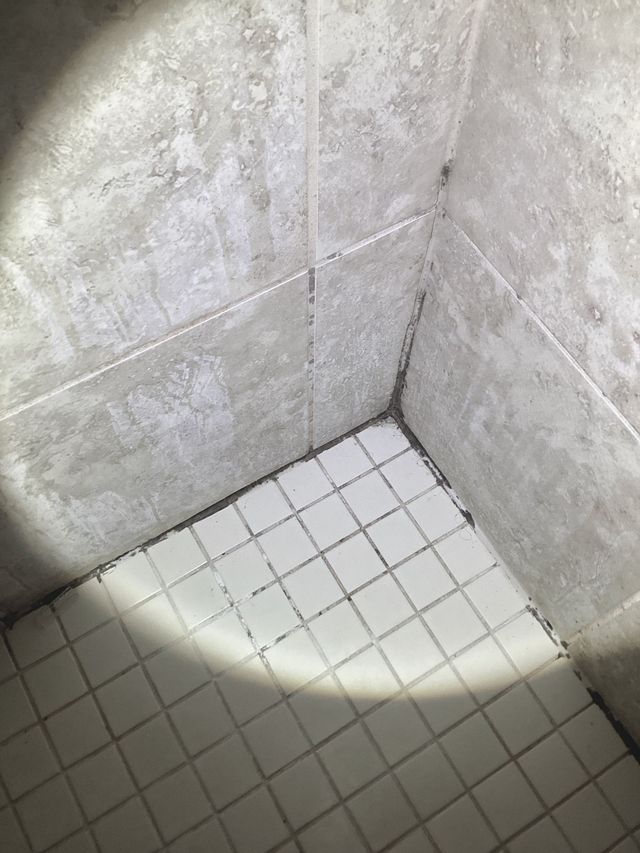
Mold in Bathrooms in Merritt Island: What Merritt Island Property Owners Should Know
Bathrooms are one of the most common places for mold to develop in Merritt Island homes — and not because homeowners are careless. Between coastal humidity, daily steam from showers, and constant air conditioning, bathrooms in this area are under non-stop moisture stress. Over time, that moisture settles into walls, ceilings, grout lines, and ventilation systems, creating the perfect environment for mold.
For Merritt Island property owners, bathroom mold is rarely just a cosmetic issue. It’s often an early warning sign of ventilation problems, trapped moisture, or hidden mold growth that can spread beyond the bathroom if ignored.
Why Bathrooms Are High-Risk Areas in Merritt Island Homes
Bathrooms already produce moisture. In Merritt Island, the environment makes it harder for that moisture to escape.
- Persistent coastal humidity
- Warm indoor temperatures year-round
- Steam from showers and baths
- Inadequate or underused exhaust fans
- AC systems that don’t remove bathroom moisture fast enough
- Salt air degrading fixtures, caulking, and seals
Even well-maintained bathrooms can struggle to dry properly in this climate.
How Bathroom Mold Typically Develops
Bathroom mold usually starts small and out of sight.
- Steam builds up during showers
- Moisture settles on walls, ceilings, and grout
- Ventilation fails to remove humidity fully
- Surfaces remain damp longer than expected
- Mold begins growing in porous materials
In Merritt Island homes, this cycle repeats daily — allowing mold to establish itself quickly.
Common Places Mold Is Found in Bathrooms
Bathroom mold isn’t limited to obvious black spots.
Ceilings
Warm steam rises and condenses on ceilings, especially when exhaust fans are weak or unused.
Grout and tile joints
Porous grout absorbs moisture and stays damp long after surfaces look dry.
Behind walls
Moisture migrates behind drywall near showers and tubs, leading to hidden mold.
Under vanities
Plumbing condensation and small leaks often go unnoticed.
Around exhaust fans
Fans themselves can collect moisture and mold if airflow is poor.
Window frames
Condensation forms easily on bathroom windows in humid climates.
Hidden Mold Behind Bathroom Walls
One of the biggest bathroom mold risks is what you can’t see.
- Water seeps behind tile and shower surrounds
- Steam penetrates drywall and insulation
- Caulking failures allow slow intrusion
- Mold grows inside wall cavities
By the time mold becomes visible, it’s often been active for weeks or months.
Early Warning Signs Property Owners Miss
Bathroom mold often shows subtle signs before it’s obvious.
- Musty odors that linger after cleaning
- Paint peeling or bubbling near the ceiling
- Caulk that constantly discolors
- Condensation that never fully dries
- Mold that returns quickly after scrubbing
- Soft or spongy drywall near showers
These signs usually point to moisture problems, not cleaning issues.
Why Bathroom Mold Keeps Coming Back
Repeated mold growth almost always means the root cause wasn’t addressed.
Common reasons include:
- Inadequate exhaust ventilation
- Fans not vented outdoors
- Short fan run-times after showers
- High indoor humidity overall
- Moisture trapped behind tile or walls
- AC systems not balancing humidity well
Cleaning alone doesn’t fix these conditions.
DIY Bathroom Mold Cleaning: Why It Often Fails
Bathroom mold seems easy to handle — until it keeps returning.
DIY efforts fail because:
- Bleach doesn’t penetrate grout or drywall
- Scrubbing spreads spores
- Hidden mold remains behind walls
- Moisture sources stay active
- Mold regrows in the same spots
In Merritt Island bathrooms, DIY cleaning usually delays proper remediation.
Mold Cleanup vs. Mold Remediation in Bathrooms
Understanding this difference matters.
Mold cleanup
- Surface-level cleaning
- Temporary cosmetic improvement
- No moisture correction
- High chance of recurrence
Mold remediation
- Identifies hidden growth
- Uses containment if needed
- Removes contaminated materials
- Corrects moisture and ventilation issues
- Prevents regrowth
Recurring bathroom mold often requires professional remediation, not repeated cleaning.
When Bathroom Mold Becomes a Bigger Problem
Bathroom mold should be taken more seriously when:
- Mold spreads beyond the bathroom
- Odors move into nearby rooms
- Walls feel damp or soft
- Mold appears on ceilings repeatedly
- HVAC vents near bathrooms show mold
- Moisture damage becomes visible
At this stage, mold is often no longer confined to one room.
How Professional Inspections Address Bathroom Mold
Professional mold inspections focus on moisture behavior, not just visible growth.
They often include:
- Moisture readings behind walls
- Ventilation and exhaust fan evaluation
- Inspection of surrounding rooms
- Plumbing and condensation checks
- Attic inspection above bathrooms
Mold Removal Merritt Island frequently finds bathroom mold linked to poor ventilation and hidden moisture, not just surface humidity.
Preventing Mold in Merritt Island Bathrooms
Prevention is about moisture control, not constant cleaning.
- Run exhaust fans during and after showers
- Ensure fans vent outdoors, not into attics
- Keep fans running 20–30 minutes after use
- Maintain consistent indoor temperatures
- Monitor indoor humidity levels
- Repair failing caulk and grout promptly
- Address plumbing leaks immediately
Consistency makes the biggest difference in coastal homes.
Bathrooms and Whole-Home Humidity
Bathroom mold is often a symptom of larger humidity issues.
- AC systems may not dehumidify evenly
- Doors kept closed trap moisture
- Slab moisture affects nearby walls
- Poor airflow allows humidity buildup
Addressing whole-home moisture often reduces bathroom mold dramatically.
Why Local Merritt Island Experience Matters
Bathroom mold behaves differently in coastal environments. Local experience matters because professionals understand:
- Coastal humidity patterns
- AC condensation behavior
- Slab foundation moisture effects
- Ventilation challenges in Florida homes
- Construction styles common in Merritt Island
Mold Removal Merritt Island applies this local knowledge to stop bathroom mold at its source — not just on the surface.
A Practical Takeaway for Property Owners
Mold in bathrooms in Merritt Island isn’t a housekeeping failure — it’s a moisture management issue. In a humid coastal environment, bathrooms need proper ventilation, airflow, and moisture control to stay mold-free.
For Merritt Island property owners, addressing bathroom mold early, correcting ventilation issues, and inspecting for hidden moisture are the most effective ways to prevent recurring mold and protect both indoor comfort and long-term property value.
