
Mold After Flooding in Indian River: What Merritt Island Property Owners Should Know
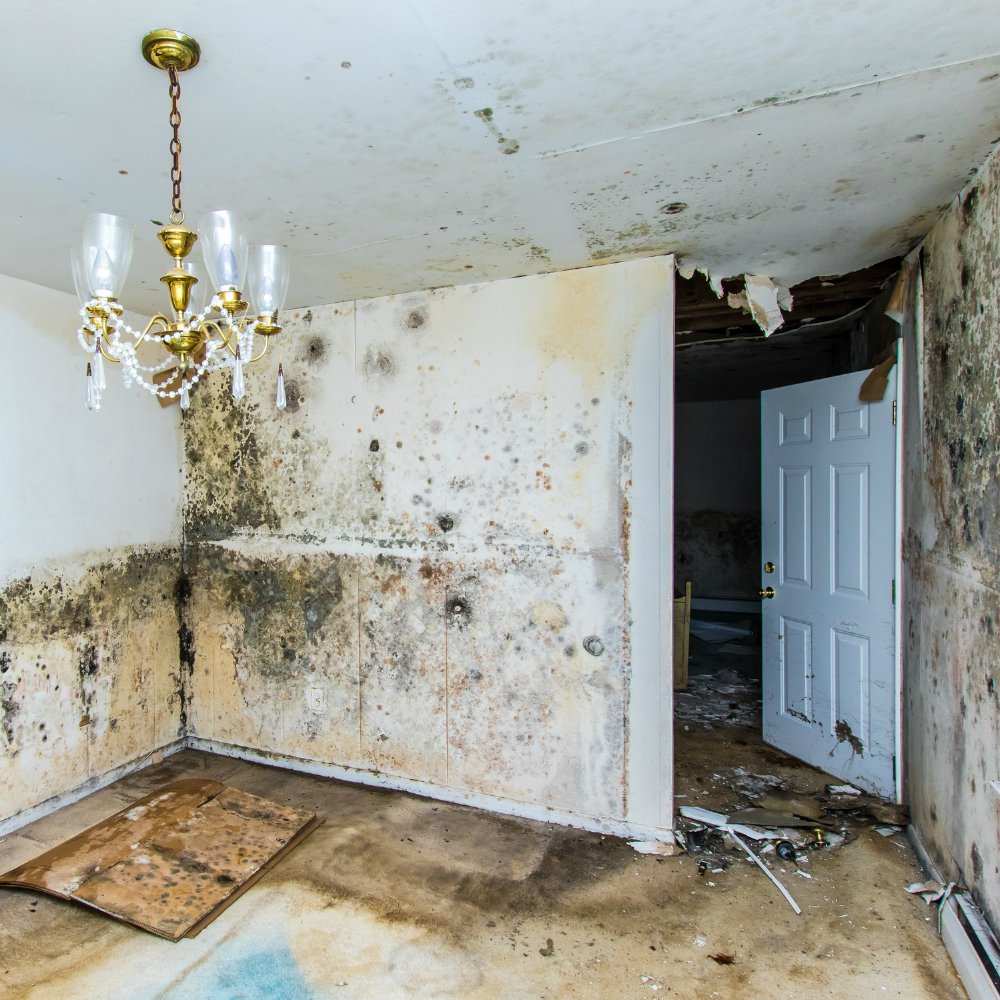
Flooding near the Indian River is one of the fastest ways mold problems take hold in Merritt Island homes. Whether flooding comes from storm surge, heavy rain, tidal overflow, or rising groundwater, water in a river-adjacent environment behaves differently than many homeowners expect. Even when floodwater appears to recede quickly, moisture often remains trapped deep inside building materials, creating ideal conditions for mold growth days or weeks later.
For Merritt Island property owners, mold after flooding isn’t a surprise — it’s a predictable outcome when moisture isn’t fully addressed. Understanding how mold develops after flooding, where it hides, and how to respond properly helps prevent long-term damage and recurring problems.
Why Flooding Near the Indian River Creates Serious Mold Risk
Homes near the Indian River face compounding moisture challenges after flooding.
- High ambient humidity slows natural drying
- High water tables keep moisture active below slabs
- Warm temperatures accelerate mold growth
- Saltwater exposure damages materials and seals
- Floodwater contamination penetrates porous surfaces
Even shallow flooding can leave behind moisture that remains active long after surfaces look dry.
How Floodwater Affects Homes Differently Than Leaks
Flooding impacts homes in ways typical leaks do not.
- Water enters from below, not just walls or ceilings
- Concrete slabs absorb moisture and release it slowly
- Drywall wicks water upward several inches or more
- Insulation becomes saturated and holds moisture
- Flooring traps water underneath
- HVAC systems may draw in contaminated air
Because floodwater spreads broadly and evenly, mold often develops across multiple areas at once, not just at a single source.
How Quickly Mold Develops After Flooding
In Indian River homes, mold can begin developing within days after flooding.
- Materials absorb water immediately
- Airflow is limited inside walls and floors
- Drying slows due to humidity
- Mold spores already present activate
- Growth begins out of sight
By the time mold is visible or odors appear, growth is often already established.
Common Places Mold Is Found After Flooding
Post-flood inspections near the Indian River frequently uncover mold in predictable locations.
Lower walls and baseboards
Floodwater and groundwater wick upward into drywall and trim.
Under flooring
Tile, laminate, vinyl, and engineered wood trap moisture over slab foundations.
Behind drywall
Wall cavities remain damp long after surface drying.
HVAC systems
Air handlers, ductwork, and drain pans can hold moisture and spread spores.
Cabinets and built-ins
Wood cabinetry absorbs flood moisture and dries slowly.
Attics (indirectly)
Humidity spikes after flooding can lead to condensation on attic framing.
Why Mold Often Appears Weeks After Flooding
Many homeowners believe mold should appear immediately if it’s going to.
In reality:
- Initial cleanup removes visible water only
- Hidden materials remain damp
- Drying equipment is removed too soon
- Humidity stays elevated
- Mold grows quietly behind surfaces
By the time musty odors or staining appear, the mold problem is already established.
Early Warning Signs After Flooding
After flooding near the Indian River, watch closely for:
- Musty or earthy odors
- Damp or heavy indoor air
- Bubbling paint or peeling drywall
- Warping or lifting flooring
- Cool, damp walls near the floor
- Mold returning after repeated cleaning
- Odors that worsen when AC runs
These signs usually point to hidden moisture, not surface issues.
Why DIY Cleanup After Flooding Often Fails
Flood-related mold problems are rarely solved with DIY efforts.
Common issues include:
- Bleach doesn’t penetrate drywall, wood, or insulation
- Scrubbing releases spores into the air
- Wet materials are sealed instead of removed
- Moisture under floors and inside walls is missed
- HVAC contamination goes unaddressed
In Indian River homes, DIY cleanup often delays proper remediation and allows mold to spread further.
Flood Cleanup vs. Mold Remediation
This distinction is critical after flooding.
Flood cleanup
- Removes standing water
- Dries visible surfaces
- Initial step only
Mold remediation
- Removes visible and hidden mold
- Uses containment and air filtration
- Removes contaminated materials when necessary
- Addresses moisture sources
- Prevents regrowth
After flooding, cleanup alone is rarely enough — remediation is often required once materials have been compromised.
How Professional Inspections Identify Post-Flood Mold
Professional mold inspections look beyond what’s visible.
They typically include:
- Moisture readings in walls and floors
- Evaluation of slab moisture behavior
- HVAC system inspection
- Identification of floodwater migration paths
- Assessment of drying effectiveness
Mold Removal Merritt Island often finds that flood-related mold is tied to materials that never fully dried, not ongoing leaks.
Why Mold Keeps Coming Back After Flooding
Recurring mold after flooding usually means moisture was never fully resolved.
Common causes include:
- Saturated drywall or insulation left in place
- Moisture trapped under flooring
- Slab moisture reactivating after rain
- HVAC systems retaining contamination
- High humidity preventing full drying
Each humidity spike or rain event reactivates these damp areas.
How Mold Remediation Is Managed in Flooded Homes
Proper remediation is structured and controlled.
- Containment prevents spore spread
- HEPA air filtration controls airborne particles
- Removal of damaged materials when drying isn’t sufficient
- Detailed cleaning of remaining structures
- Moisture correction and drying verification
- Final evaluation to confirm stability
Early remediation often reduces how invasive the process needs to be.
Flooding, Mold, and Long-Term Property Damage
When mold after flooding isn’t addressed correctly, long-term issues follow.
- Repeated mold growth
- Structural material deterioration
- Persistent odors
- Flooring and cabinetry failure
- Increased remediation costs later
Prompt action protects both the home and its value.
Preventing Mold After Flooding Near the Indian River
Flooding doesn’t always mean mold is inevitable — timing matters.
- Begin drying immediately
- Don’t seal wet materials
- Monitor moisture levels inside walls and floors
- Keep HVAC systems running consistently
- Control indoor humidity aggressively
- Inspect after follow-up rain events
- Schedule professional evaluation if odors or dampness persist
The first few days after flooding are critical.
Why Local Indian River Experience Matters
Flood-related mold behaves differently near waterways. Local experience matters because professionals understand:
- River-adjacent humidity patterns
- High water table effects on slabs
- Storm surge and groundwater behavior
- Saltwater damage to building materials
- Common construction styles near the Indian River
Mold Removal Merritt Island applies this local knowledge to identify flood-related mold accurately and prevent recurrence.
A Practical Takeaway for Property Owners
Mold after flooding in Indian River homes isn’t about bad luck — it’s about how moisture behaves in a coastal, river-adjacent environment. The biggest risk isn’t visible water damage; it’s the moisture that stays hidden after floodwaters recede.
For Merritt Island property owners, early inspection, proper remediation when needed, and consistent moisture management are the most effective ways to stop flooding from turning into a long-term mold problem in an environment where water and humidity are always present.
