
Residential Mold Inspections in Merritt Island: What Merritt Island Property Owners Should Know
For homeowners in Merritt Island, mold problems are rarely random. They’re usually tied to coastal humidity, nearby waterways, frequent storms, and how Florida homes are built and cooled. Residential mold inspections play a critical role in identifying problems early — often before mold becomes visible or causes recurring issues that frustrate property owners.
Whether you live near Sykes Creek, the Banana River, the Indian River, or inland neighborhoods, a professional mold inspection helps you understand what’s really happening inside your home. More importantly, it helps you make informed decisions instead of guessing or relying on surface-level fixes.
Why Mold Inspections Are Especially Important in Merritt Island Homes
Merritt Island homes face moisture challenges year-round.
- Persistent coastal humidity
- High water tables affecting slab foundations
- Salt air degrading seals and building materials
- Storm-driven rain intrusion
- Heavy reliance on air conditioning
- Warm temperatures that support mold growth
These factors mean mold can develop without obvious leaks or flooding, often hidden behind walls, under flooring, or inside HVAC systems.
What a Residential Mold Inspection Actually Is
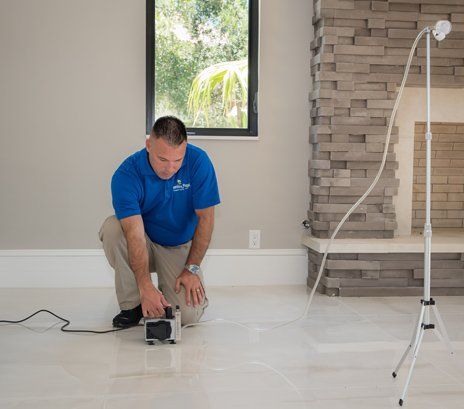
A residential mold inspection is a systematic evaluation of moisture behavior and mold risk, not just a search for visible spots.
The goal is to:
- Identify moisture sources
- Locate areas at risk for mold growth
- Determine whether mold is present or likely to develop
- Explain why problems are occurring
- Guide next steps clearly and calmly
Inspections focus on understanding the cause of mold, not just the symptoms.
Common Reasons Homeowners Schedule Mold Inspections
In Merritt Island, inspections are often requested when homeowners notice:
- Persistent musty or earthy odors
- Mold that keeps coming back after cleaning
- Recent water damage or heavy rain exposure
- AC leaks or condensation problems
- Discoloration on walls or ceilings
- Peeling paint or bubbling drywall
- Concerns before buying or selling a home
- Health or comfort concerns related to indoor air
Even when mold isn’t visible, these signs often point to hidden moisture issues.
Where Mold Inspectors Commonly Find Problems
Residential mold inspections frequently uncover issues in areas homeowners don’t regularly see.
HVAC systems
Condensation in air handlers, drain pans, coils, and ductwork is one of the most common mold sources.
Lower walls and slab-level areas
High water tables allow moisture vapor to migrate upward through concrete slabs into drywall and baseboards.
Under flooring
Tile, laminate, vinyl, and engineered wood can trap moisture beneath them, creating ideal mold conditions.
Attics
Warm, humid air entering attic spaces condenses on framing and insulation, especially when ventilation is limited.
Behind walls and cabinets
Past leaks or slow moisture intrusion often go unnoticed until mold becomes established.
What Happens During a Residential Mold Inspection
A proper inspection is thorough and methodical.
It typically includes:
- Visual assessment of interior and exterior areas
- Moisture readings at walls, ceilings, and floors
- Evaluation of HVAC components
- Attic and crawl space inspection when accessible
- Identification of intrusion points or condensation patterns
- Discussion of findings in plain language
The focus is on explaining what’s happening, not overwhelming homeowners with technical jargon.
Mold Inspection vs. Mold Testing: What’s the Difference?
These two terms are often confused.
Mold inspection
- Identifies moisture sources and risk areas
- Determines the likely cause of mold
- Guides remediation decisions
Mold testing
- Used selectively when needed
- Helps confirm airborne or surface contamination
- Often useful for documentation or verification
Not every inspection requires testing, but testing without inspection often misses the root cause.
Why DIY Mold Checks Are Unreliable
Home test kits and visual checks rarely tell the full story.
- They don’t identify moisture sources
- Hidden mold remains undetected
- Results are often misinterpreted
- They don’t explain why mold keeps returning
In coastal homes like those in Merritt Island, mold is usually a moisture management issue, not a surface-level problem.
How Inspections Help Prevent Bigger Problems
Early inspections can prevent:
- Extensive remediation projects
- Repeated mold regrowth
- Flooring and drywall replacement
- HVAC contamination
- Escalating repair costs
Catching issues early often limits both scope and disruption.
Mold Inspections for Home Sales and Purchases
Inspections are especially valuable during real estate transactions.
- Buyers gain clarity before closing
- Sellers address issues proactively
- Negotiations are based on facts, not assumptions
- Surprises after closing are minimized
In Merritt Island, moisture-related findings are common — inspections help put them into proper context.
Why Local Merritt Island Experience Matters
Residential mold behaves differently in coastal environments. Local experience matters because professionals understand:
- How humidity fluctuates near waterways
- High water table effects on slab homes
- Storm-driven rain intrusion patterns
- AC condensation common in Florida homes
- Construction styles typical of Merritt Island neighborhoods
Mold Removal Merritt Island applies this local knowledge to inspections, helping homeowners get accurate answers instead of generic explanations.
What Happens After the Inspection
After a residential mold inspection, homeowners typically receive:
- A clear explanation of findings
- Identification of moisture sources
- Guidance on whether remediation is needed
- Practical prevention recommendations
Not every inspection leads to remediation — many help homeowners correct small issues before mold develops.
Preventing Mold After an Inspection
Inspections often reveal simple but important prevention steps.
- Maintain steady indoor temperatures
- Avoid turning AC off for long periods
- Monitor indoor humidity levels
- Keep HVAC systems maintained
- Inspect after heavy rain or storms
- Address small leaks promptly
Consistency is key in coastal homes.
A Practical Takeaway for Property Owners
Residential mold inspections in Merritt Island aren’t about fear or worst-case scenarios. They’re about clarity. In a coastal environment where moisture is constant, inspections help homeowners understand what’s happening inside their homes — and what actually needs attention.
For Merritt Island property owners, a professional mold inspection is often the most effective first step toward preventing recurring mold issues, protecting indoor comfort, and preserving long-term property value.
