
Mold in Daycares in South Merritt Island: What Merritt Island Property Owners Should Know
Daycares in South Merritt Island operate in one of Florida’s most moisture-challenged environments. Coastal humidity, nearby waterways, frequent storms, and buildings that cycle between busy daytime use and quiet evenings all create conditions where mold can develop quietly. In daycare settings, mold isn’t just a maintenance concern — it affects licensing confidence, parent trust, staff comfort, and day-to-day operations.
For property owners and operators, understanding why daycares are vulnerable, where mold tends to hide, and how to manage moisture correctly helps prevent disruptions and protects the long-term value of the property.
Why Daycares in South Merritt Island Face Higher Mold Risk
Several factors unique to daycare operations amplify coastal moisture risks:
- High daily moisture loads from handwashing, bottle prep, diapering areas, and frequent restroom use
- HVAC schedules that ramp up during the day and slow at night, allowing humidity to linger
- Closed buildings after hours, reducing airflow and natural drying
- Coastal humidity and salt air that degrade seals, flashing, and exterior materials
- High water tables that allow moisture to migrate upward through slabs and lower walls
Even well-maintained facilities can develop mold when these factors overlap.
Where Mold Commonly Develops in Daycare Facilities
Mold in daycares often starts out of sight, especially in areas not occupied continuously.
HVAC systems
Condensation in air handlers, drain pans, coils, and ductwork is one of the most common sources. If affected, spores can circulate throughout classrooms.
Ceilings and plenum spaces
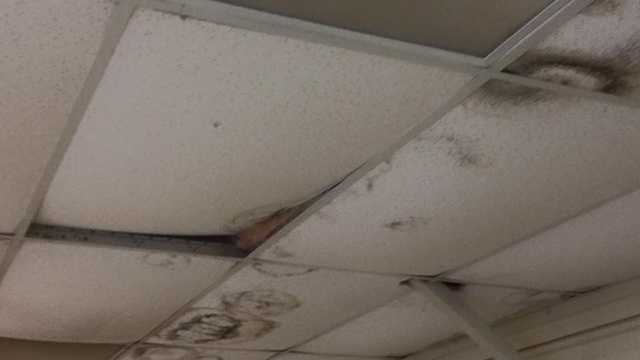
Roof leaks, condensation from rooftop units, or moisture above drop ceilings often go unnoticed.
Lower walls and baseboards
High water tables in South Merritt Island can wick moisture into drywall at slab level.
Bathrooms, diapering, and handwashing areas
Constant water use combined with short drying cycles increases risk.
Storage rooms and nap areas
Limited airflow and stored materials can trap moisture.
Exterior-facing classrooms
Wind-driven rain can introduce moisture through windows, doors, and wall penetrations.
Early Warning Signs Staff and Owners Should Watch For
Mold issues in daycares rarely start with obvious growth. Early clues include:
- Persistent musty or “damp” odors, especially in the morning
- Condensation on vents or windows
- Ceiling tile staining or warping
- Peeling paint or bubbling drywall near floors
- Areas that feel cool or slightly damp
- Recurring issues in the same rooms after rain
Catching these signs early helps avoid larger disruptions later.
Why Mold in Daycares Is More Than a Cosmetic Issue
In childcare environments, mold concerns escalate quickly because they affect trust and continuity.
- Parents may raise concerns about indoor conditions
- Staff comfort and productivity can decline
- Rooms may need temporary closure during remediation
- Schedules and enrollment can be disrupted
- Deferred repairs often lead to larger projects later
Early inspection and clear communication help prevent small issues from becoming operational problems.
Why DIY or Surface Cleanup Isn’t Appropriate for Daycares
Surface cleaning may improve appearance, but it rarely addresses the real issue in a coastal daycare.
- Hidden growth behind walls or ceilings remains
- HVAC contamination can continue spreading spores
- Moisture sources are left active
- Mold often returns, sometimes in new areas
In regulated, high-occupancy spaces, incomplete solutions usually create more disruption down the line.
The Role of Professional Mold Inspections in Daycare Facilities
Professional inspections focus on conditions and systems, not just visible spots.
Typical inspections include:
- Moisture readings at slab and wall levels
- HVAC and ductwork evaluation
- Ceiling and plenum inspections
- Exterior intrusion assessment after storms
- Identification of patterns linked to schedules and occupancy
This approach helps determine whether mold is isolated or part of a broader moisture pattern.
Mold Cleanup vs. Mold Remediation in Daycares
Understanding the difference is essential.
Cleanup
- Cosmetic and surface-level
- No containment
- No moisture correction
- High recurrence risk
Remediation
- Addresses visible and hidden mold
- Uses containment and HEPA filtration
- Corrects moisture sources
- Designed for long-term control
Most daycare mold issues in South Merritt Island require remediation, not simple cleanup.
Containment and Scheduling in Active Daycare Environments
Professional remediation is planned to minimize disruption:
- Containment barriers isolate affected areas
- Negative air pressure prevents spore spread
- After-hours or phased work keeps other rooms operational
- Clear documentation supports transparency with staff and parents
This controlled approach helps facilities stay functional whenever possible.
Preventing Mold in South Merritt Island Daycares
Prevention focuses on consistency and moisture control.
- Maintain steady indoor temperatures; avoid extreme thermostat setbacks
- Keep HVAC systems serviced and drain lines clear
- Monitor indoor humidity levels regularly
- Run exhaust fans long enough after water use
- Inspect lower walls, ceilings, and storage areas after storms
- Keep materials off floors and away from exterior walls
- Address small leaks immediately
Small, routine actions make a big difference in coastal facilities.
Why Local South Merritt Island Experience Matters
Daycare mold must be evaluated in local context. Experience matters because professionals understand:
- Coastal humidity cycles and storm patterns
- High water table behavior affecting slab-built facilities
- Salt air’s impact on building envelopes
- HVAC condensation common in South Merritt Island
- Construction styles typical of local daycare buildings
Local knowledge helps ensure solutions hold up between storms and seasons.
A Practical Takeaway for Property Owners
Mold in daycares in South Merritt Island isn’t unusual — but it requires prompt, professional handling. The biggest risks come from hidden growth, HVAC involvement, and delayed response, not from isolated surface spots.
For Merritt Island property owners, early inspection, proper remediation when needed, and consistent moisture management protect children, staff, operations, and the long-term value of the property in a coastal environment where moisture is always present.
