
Mold During Home Buying Inspections in South Merritt Island: What Merritt Island Property Owners Should Know
Buying a home in South Merritt Island means embracing coastal living — water views, warm weather, and a laid-back lifestyle. But it also means dealing with humidity, storms, and moisture, which is why mold frequently comes up during home buying inspections in this area.
For buyers and sellers alike, mold findings during inspections can feel stressful or confusing. A small note in an inspection report can quickly turn into renegotiations, delays, or uncertainty. Understanding how mold is evaluated during home buying inspections, what inspectors are really looking for, and how mold issues are typically handled helps property owners stay calm and make informed decisions.
Why Mold Is Commonly Flagged in South Merritt Island Inspections
South Merritt Island homes face conditions that inspectors are trained to watch closely.
- Persistent coastal humidity
- Proximity to the Banana River and Indian River
- Slab foundations that retain moisture
- Frequent storms and wind-driven rain
- Constant AC use creating condensation
Because these factors are well known locally, inspectors pay extra attention to moisture indicators, even when visible mold is minimal or absent.
How Mold Is Typically Discovered During Buyer Inspections
Most home buying inspections don’t start by “looking for mold” — they look for conditions that support mold growth.
Inspectors often note:
- Visible mold or dark staining
- Musty or earthy odors
- Water stains on ceilings or walls
- Elevated moisture readings
- Soft drywall or warped baseboards
- Attic ventilation issues
- HVAC condensation or past water damage
Even when mold isn’t confirmed, these signs often trigger a recommendation for further evaluation.
What an Inspection Report Usually Says About Mold
Home inspectors typically do not diagnose mold. Instead, they document observations and recommend next steps.
Common inspection language includes:
- “Suspected microbial growth observed”
- “Conditions conducive to mold growth”
- “Further evaluation by a mold professional recommended”
This wording doesn’t mean the home is unsafe — it means more information is needed.
The Difference Between Minor Mold and a Major Inspection Issue
Not all mold findings impact a purchase the same way.
Lower-impact findings
- Small, isolated areas
- Clear moisture source identified
- No spread or odor
- Easily accessible location
Higher-impact findings
- Mold in multiple rooms
- Persistent musty smells
- Mold behind walls or under flooring
- Attic or HVAC involvement
- Evidence of long-term moisture
The more uncertainty involved, the more cautious buyers tend to be.
Why Buyers React Strongly to Mold Notes
Buyers often assume worst-case scenarios when mold is mentioned.
Common buyer concerns include:
- Hidden damage behind walls
- Mold returning after purchase
- High remediation costs
- Indoor air quality issues
Even small findings can affect negotiations if they aren’t clearly explained or properly addressed.
What Happens After Mold Is Flagged During Inspection
Once mold is mentioned, the process usually follows one of these paths:
- Further evaluation requested
A professional mold inspection is recommended. - Seller agrees to address the issue
Remediation or moisture correction is completed. - Credits or price adjustments negotiated
Buyers request concessions. - Deal pauses or falls apart
This typically happens when mold scope is unclear or mishandled.
In South Merritt Island, clear information early often keeps deals moving.
Why DIY Cleanup Rarely Helps During a Sale
Trying to handle mold yourself after an inspection often backfires.
- Surface cleaning doesn’t reassure buyers
- Fresh paint can look like a cover-up
- No documentation is available
- Moisture issues may still exist
Buyers and inspectors usually prefer professional evaluation and clear explanations over cosmetic fixes.
The Role of Professional Mold Inspection for Buyers and Sellers
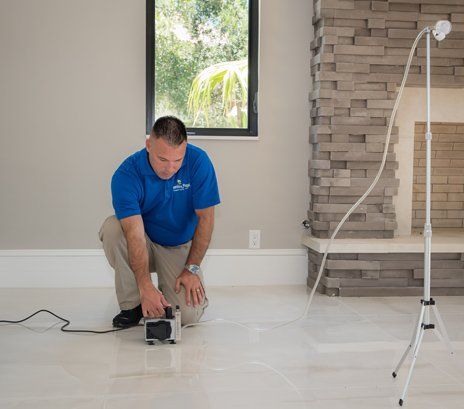
A professional mold inspection helps clarify:
- Whether mold is actually present
- Where moisture is coming from
- How extensive the issue is
- Whether remediation is necessary
In many cases, inspections reveal that mold is limited and manageable — which can ease buyer concerns and support negotiations.
Mold Removal Merritt Island often sees inspections bring relief rather than bad news when moisture patterns are properly explained.
How Mold Remediation Can Protect the Transaction
When remediation is needed, proper handling matters.
Effective remediation includes:
- Identifying all affected areas
- Containment to prevent spread
- Safe removal of contaminated materials
- Correcting moisture sources
- Thorough drying
- Clear documentation
This approach turns a potential deal-breaker into a resolved issue.
Documentation Makes a Big Difference
In real estate transactions, documentation builds trust.
Helpful records include:
- Mold inspection findings
- Moisture source identification
- Remediation scope
- Clearance or verification testing when used
Documentation helps buyers feel confident that the issue was handled correctly — not hidden.
Timing Matters During Home Buying Inspections
Addressing mold quickly helps avoid:
- Extended inspection periods
- Buyer uncertainty
- Repeated negotiations
- Delayed closings
Homes that respond promptly and professionally tend to move forward more smoothly.
Why Local South Merritt Island Experience Matters
Mold inspection findings must be interpreted within local context.
Local experience matters because professionals understand:
- Coastal humidity norms
- Slab foundation moisture behavior
- Storm-related intrusion patterns
- AC condensation common in waterfront homes
Mold Removal Merritt Island applies this local knowledge to provide realistic evaluations that help buyers and sellers reach fair, informed decisions.
Practical Advice for Property Owners
If you’re buying or selling in South Merritt Island:
- Don’t panic over inspection wording
- Avoid cosmetic cover-ups
- Seek professional evaluation when recommended
- Focus on moisture correction
- Keep clear records
These steps protect both the transaction and long-term property value.
A Calm Takeaway for Buyers and Sellers
Mold during home buying inspections in South Merritt Island is common — but it doesn’t have to derail a sale. What matters most isn’t the presence of mold, but how clearly it’s understood and how responsibly it’s handled.
Homes that show proactive care, professional evaluation, and honest documentation move through inspections with far less friction. In a coastal market where moisture is expected, clarity and preparation are the strongest tools property owners have.
