
Mold Cleanup vs Mold Remediation in South Merritt Island: What Merritt Island Property Owners Should Know
If you live in South Merritt Island, you’ve likely heard the terms mold cleanup and mold remediation used interchangeably. They sound similar, and many homeowners assume they mean the same thing. In reality, they’re very different approaches — and choosing the wrong one is one of the main reasons mold problems keep coming back in coastal homes.
With constant humidity, nearby waterways like the Banana River and Indian River, and frequent storm activity, South Merritt Island homes face moisture conditions that make quick fixes unreliable. Understanding the difference between cleanup and remediation helps property owners make smarter decisions, avoid repeat mold growth, and protect their homes long-term.
Why This Difference Matters in South Merritt Island
Mold behaves differently in coastal environments than it does inland. In South Merritt Island:
- Materials dry more slowly
- Humidity stays elevated year-round
- Moisture often hides behind walls or under flooring
- AC systems run constantly, creating condensation
Because of these factors, what looks like a small mold issue is often part of a larger moisture pattern. Treating only what you see may temporarily improve appearance, but it rarely solves the underlying problem.
What Mold Cleanup Really Means
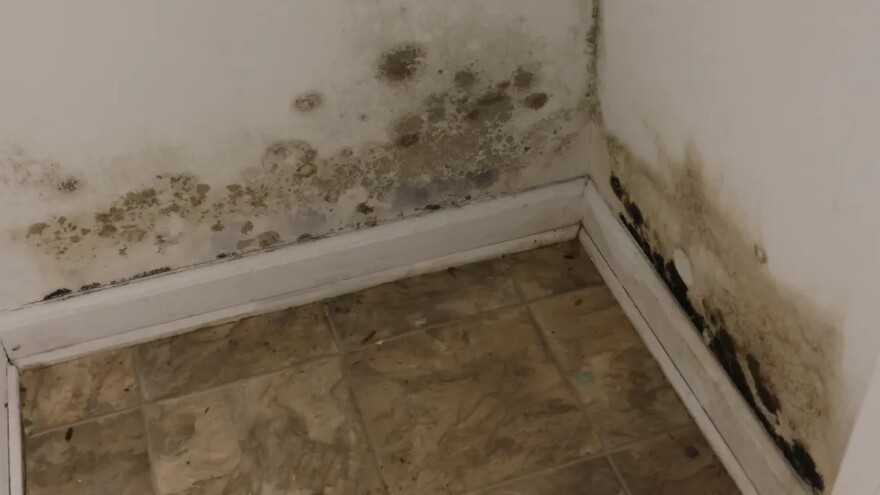
Mold cleanup focuses on visible mold only. It’s typically cosmetic and surface-level.
Cleanup usually involves:
- Wiping or scrubbing visible mold
- Using household cleaners or disinfectants
- Removing surface stains
- Painting or sealing affected areas
Cleanup is often done by homeowners or general contractors and is commonly used when mold appears minor or isolated.
When cleanup might be appropriate
- Very small, surface-level mold
- No history of moisture problems
- No musty odors or spread
- Dry, non-porous surfaces
In South Merritt Island, these conditions are less common than many homeowners expect.
The Limitations of Mold Cleanup
Cleanup has serious limitations in coastal homes.
It doesn’t address moisture
If humidity, condensation, or leaks remain, mold will return.
It misses hidden mold
Mold often grows behind drywall, under flooring, or inside HVAC systems.
It can spread spores
Scrubbing without containment can release spores into the air.
It creates false confidence
The mold looks gone — until it comes back weeks or months later.
Cleanup focuses on appearance, not cause.
What Mold Remediation Actually Involves
Mold remediation is a process, not a product. It focuses on removing mold safely and correcting the conditions that allowed it to grow.
Proper remediation includes:
- Identifying moisture sources
- Locating visible and hidden mold
- Containing affected areas
- Safely removing contaminated materials
- Cleaning remaining surfaces correctly
- Correcting humidity, leaks, or condensation
- Thoroughly drying affected areas
The goal isn’t just to remove mold — it’s to prevent it from returning.
Why Remediation Is Often Necessary in South Merritt Island
South Merritt Island homes commonly experience conditions that require remediation rather than cleanup.
High water table
Moisture moves upward through slab foundations, affecting flooring and lower walls.
Waterway proximity
Homes near the Banana River and Indian River experience constant ambient moisture.
Storm-driven rain
Wind-driven rain enters wall cavities without obvious leaks.
AC condensation
Ducts, vents, and air handlers frequently create moisture.
Older construction
Many homes were built before modern moisture-control standards.
These factors mean mold problems are often not just on the surface.
Cleanup vs Remediation: A Side-by-Side Comparison
Mold Cleanup
- Focuses on visible mold
- Cosmetic improvement
- No moisture correction
- No containment
- Mold often returns
Mold Remediation
- Addresses visible and hidden mold
- Targets root moisture causes
- Uses containment and filtration
- Prevents spore spread
- Designed for long-term results
For South Merritt Island properties, remediation is often the safer, more effective approach.
Common Situations Where Cleanup Fails
Many homeowners start with cleanup and call professionals later — after the mold returns.
Cleanup often fails when:
- Mold keeps reappearing in the same spot
- Musty odors persist
- Mold spreads to new rooms
- Flooring or drywall feels soft
- HVAC systems are involved
- There’s a history of leaks or storms
These are signs that remediation — not cleanup — is needed.
The Role of Mold Inspection in Choosing the Right Approach
A professional mold inspection helps determine whether cleanup or remediation makes sense.
Inspections typically include:
- Visual assessment
- Moisture detection behind surfaces
- Evaluation of HVAC systems
- Review of past water damage
- Identification of hidden growth
In many South Merritt Island homes, inspections reveal moisture patterns that explain why cleanup alone hasn’t worked.
Why DIY Mold Cleanup Often Makes Things Worse
DIY cleanup is understandable, but it often backfires in coastal homes.
- Bleach doesn’t penetrate porous materials
- Scrubbing releases spores
- Moisture remains untreated
- Mold spreads through airflow
Instead of stopping the problem, DIY cleanup can allow mold to spread further before proper remediation begins.
How Professionals Control Mold During Remediation
Remediation is carefully controlled to prevent spread.
Professional methods include:
- Containment barriers
- Negative air pressure
- HEPA filtration
- Careful material removal
- Controlled drying
Mold Removal Merritt Island uses these methods to ensure mold is removed safely and doesn’t spread to unaffected areas — especially important in tightly built coastal homes.
Long-Term Prevention Is the Real Difference
The biggest difference between cleanup and remediation is what happens after the work is done.
Cleanup:
- Focuses on now
- Ignores future risk
Remediation:
- Corrects moisture problems
- Improves airflow and ventilation
- Reduces recurrence
- Protects building materials
In South Merritt Island, long-term prevention is often more valuable than short-term appearance.
Why Local Experience Matters in South Merritt Island
Choosing the right approach requires understanding local conditions.
Local experience matters because professionals understand:
- Coastal humidity cycles
- Slab foundation behavior
- Storm-related moisture intrusion
- AC condensation patterns
- Waterfront home construction
Mold Removal Merritt Island applies this local knowledge to determine when cleanup is enough — and when remediation is the smarter choice.
A Practical Takeaway for Property Owners
If mold appeared once and disappeared easily, cleanup may be sufficient. But if mold:
- Keeps coming back
- Smells persist
- Involves walls, floors, or HVAC
- Followed storms or leaks
Then remediation is likely necessary.
For South Merritt Island property owners, understanding the difference between mold cleanup and mold remediation helps avoid repeat problems and protects the home long-term. Mold isn’t just about what you can see — it’s about what moisture is doing behind the scenes.
