
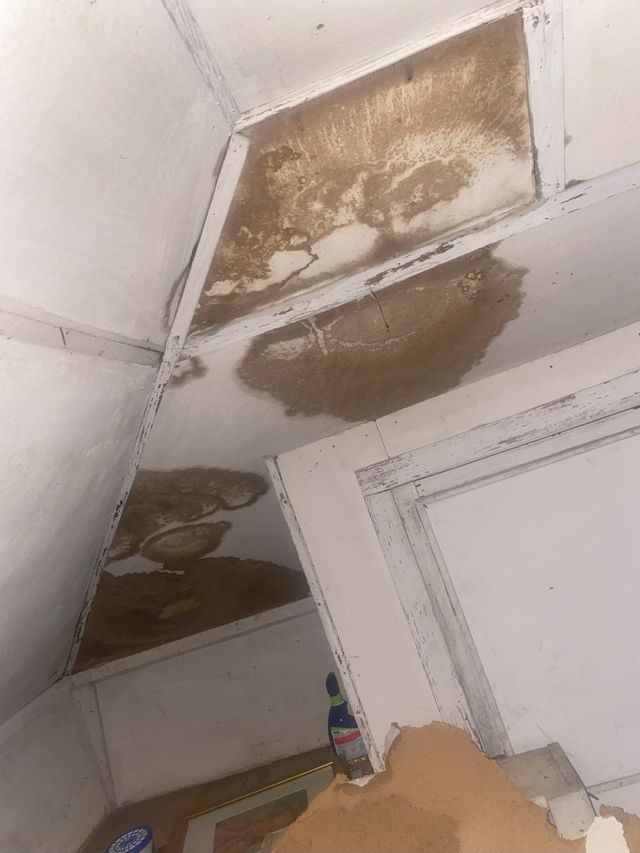
Mold During Rainy Season in Indian River: What Merritt Island Property Owners Should Know
For homeowners along the Indian River side of Merritt Island, the rainy season brings more than afternoon storms and higher water levels. It also brings a sharp rise in mold problems — many of which start quietly and spread long before they’re noticed.
From late spring through early fall, heavy rain, saturated ground, and constant humidity create ideal conditions for mold growth. Homes near the Indian River are especially vulnerable due to their proximity to water, high water tables, and construction styles common throughout Merritt Island. Even properties that never experience visible flooding can still develop mold issues during the rainy season.
Understanding why mold becomes more active during this time, where it tends to appear, and how to address it early can help property owners avoid long-term damage and repeated cleanup cycles.
What Mold During Rainy Season Really Means
Mold doesn’t need standing water to grow. It needs moisture, warmth, and organic material — all of which are plentiful during the Indian River rainy season.
During prolonged periods of rain:
- Outdoor humidity stays high day and night
- Homes struggle to dry out fully
- Moisture seeps into walls, flooring, and insulation
- Air conditioning systems work harder, creating condensation
Once materials stay damp long enough, mold spores already present in the air begin to grow. This often happens behind surfaces, not where homeowners can easily see it.
Why This Happens So Often in Indian River Areas
Homes near the Indian River face a unique combination of environmental factors that make rainy-season mold especially common.
Persistent coastal humidity
Even when it’s not actively raining, moisture in the air remains elevated. Indoor humidity often stays above safe levels, especially in homes without proper ventilation or dehumidification.
High water table
Indian River neighborhoods sit close to sea level. During heavy rain, groundwater rises and moisture can migrate upward through slab foundations and lower walls.
Wind-driven rain
Coastal storms push rain sideways, forcing water into small cracks around windows, doors, and siding. These leaks may never drip visibly but still soak building materials.
Storm history
Past tropical systems and heavy rain events may have introduced moisture that never fully dried. Each rainy season reactivates these damp areas.
AC condensation
Air conditioning systems remove moisture from the air. During rainy months, excess condensation around ducts, air handlers, and vents becomes a major mold trigger.
Common Signs Homeowners Notice During Rainy Months
Rainy-season mold doesn’t always show up as obvious black spots. Many signs are subtle at first.
- Musty or earthy odors after rain
- A damp or heavy feeling indoors
- Increased condensation on windows or vents
- Discoloration on walls or ceilings
- Peeling paint or bubbling drywall
- Allergy-like symptoms that worsen indoors
These symptoms often intensify during extended rainy periods and improve briefly during dry weather, which can make the problem seem inconsistent.
Hidden or Overlooked Mold Sources
In Indian River homes, mold frequently develops in places homeowners don’t check regularly.
Behind exterior walls
Wind-driven rain and humidity affect walls facing the river or prevailing winds.
Under flooring
Moisture can become trapped beneath tile, vinyl, or laminate flooring, especially over concrete slabs.
Attics
Warm, humid air entering attic spaces during storms leads to condensation on wood framing and insulation.
Crawl spaces
Homes with crawl spaces are especially vulnerable during rainy season due to rising groundwater and poor airflow.
HVAC systems
Condensation inside ductwork or around air handlers provides consistent moisture during humid months.
Why DIY Mold Cleanup Often Fails in Rainy Season
Rainy-season mold problems are rarely solved with surface cleaning.
Moisture is ongoing
As long as rain and humidity continue, wiping visible mold doesn’t stop regrowth.
Hidden growth remains
Mold behind walls or under flooring isn’t affected by surface cleaners.
Spore spread
Scrubbing without containment can release spores into the air, spreading them to other rooms.
False sense of resolution
The mold may disappear briefly, only to return stronger after the next storm.
Without correcting the underlying moisture conditions, DIY cleanup usually leads to repeated frustration.
Professional Mold Inspection & Testing Explained
Rainy-season inspections focus on where moisture is entering and how long it’s been present.
Visual evaluation
Inspectors assess common intrusion points, ceilings, walls, and HVAC components.
Moisture mapping
Specialized tools detect damp materials behind surfaces and beneath flooring.
Air or surface sampling (when appropriate)
Testing may be used to confirm mold presence and understand indoor air quality concerns.
Clear interpretation
Findings are explained in plain language, outlining what’s happening and why.
In many Indian River homes, inspections uncover moisture patterns tied directly to seasonal rainfall.
Proper Mold Removal & Remediation During Rainy Season
Effective remediation accounts for ongoing wet conditions, not just existing mold.
Containment
Affected areas are sealed to prevent spores from spreading during removal.
Removal of contaminated materials
Damaged drywall, insulation, or flooring is safely removed when necessary.
Thorough cleaning
Remaining surfaces are treated using mold-appropriate methods.
Moisture correction
Leaks are sealed, ventilation improved, and drainage issues addressed.
Drying and stabilization
Materials are dried completely, even in humid conditions, to prevent regrowth.
Mold Removal Merritt Island approaches rainy-season remediation with an understanding that prevention is just as important as cleanup.
How to Reduce Mold Risk During Indian River Rainy Season
While no home can eliminate humidity entirely, practical steps can significantly reduce risk.
- Keep indoor humidity under control with proper AC settings
- Use dehumidifiers in problem areas
- Ensure gutters and drainage move water away from the home
- Seal windows, doors, and exterior penetrations
- Inspect attics and crawl spaces after heavy storms
- Address roof and plumbing leaks immediately
- Schedule inspections if musty odors appear
Rainy season requires proactive moisture management, especially near the Indian River.
Why Local Merritt Island Experience Matters
Rainy-season mold in Indian River homes behaves differently than in inland areas. Local experience matters because professionals understand:
- Coastal rain patterns and wind exposure
- High water table effects on slabs and crawl spaces
- Common leak points in Merritt Island construction
- Seasonal AC condensation challenges
This localized knowledge leads to more accurate diagnosis and longer-lasting solutions. Mold Removal Merritt Island applies this experience to help property owners address mold issues at their source, not just on the surface.
A Calm, Practical Next Step
If your home smells musty after rain, feels damp for days at a time, or shows signs of moisture damage, a professional evaluation can provide clarity. Early inspections during rainy season often prevent small moisture problems from turning into extensive mold damage.
For Indian River–area homes, understanding how rainy season affects indoor environments is one of the most effective ways to protect your property year after year.
