
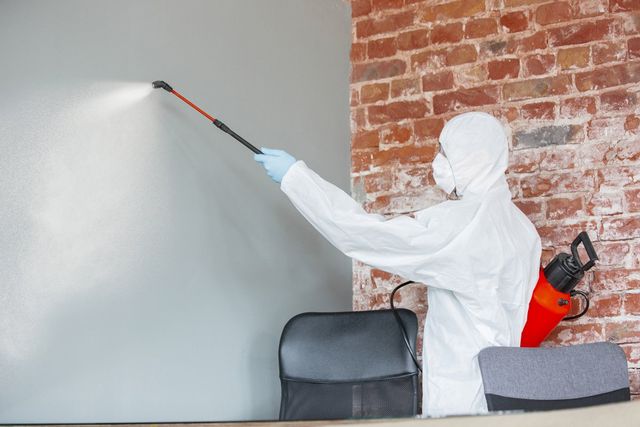
🛠️ Mold Remediation in Banana River: What Merritt Island Property Owners Should Know
Homes along the Banana River enjoy beautiful water views—but they also sit in one of Merritt Island’s most moisture-challenged environments. Persistent humidity, salt air, slab foundations, and tidal groundwater make mold more likely to grow, spread, and return if it’s not handled correctly. That’s why mold remediation—not just cleaning—is often required to fix the problem at its source.
This guide explains when remediation is necessary, how the process works for Banana River homes, and what property owners should expect to protect health and value.
🌴 Why Banana River Homes Need True Mold Remediation
Local conditions raise the stakes:
- High year-round humidity
- Salt air that slows drying
- Slab-on-grade construction that releases moisture upward
- High water table influenced by tides and heavy rain
- Long AC seasons with constant condensation
- Wind-driven rain entering around windows and roofs
In this environment, mold usually grows inside materials, not just on surfaces—making remediation essential.
⚠️ When Mold Remediation (Not Cleaning) Is Required
Remediation is typically needed when:
- Mold keeps coming back after cleaning
- Porous materials (drywall, insulation, carpet) are affected
- Musty odors persist
- HVAC systems or ducts are involved
- Moisture lasted longer than 48 hours
- Multiple rooms show signs
- Health symptoms worsen indoors
If mold is embedded in materials or spreading, wiping won’t solve it.
🦠 How Mold Spreads in Banana River Homes
A common coastal pattern:
- Indoor humidity rises above safe levels
- AC cools but under-dehumidifies
- Condensation forms on cool surfaces or inside HVAC systems
- Moisture lingers in walls, floors, or attics
- Mold begins growing within 24–48 hours
- Spores spread through airflow and foot traffic
By the time staining appears, growth is often established.
🧱 Areas Most Often Requiring Remediation
Banana River remediation commonly targets:
- HVAC air handlers, drain pans, and duct insulation
- Bathrooms and laundry rooms
- Under sinks and behind vanities
- Closets on exterior walls
- Attics and roof-penetration areas
- Behind drywall near windows and doors
- Under flooring in slab homes
- Garages and rooms above garages
If odors worsen when the AC runs, HVAC involvement is likely.
🛠️ What Proper Mold Remediation Includes
Effective remediation follows a controlled, step-by-step process.
🔒 1. Containment & Air Control
- Isolate affected areas
- Establish negative air pressure
- Use HEPA air filtration
This prevents spores from spreading to clean spaces.
🧱 2. Removal of Contaminated Materials
- Remove mold-affected drywall, insulation, carpet, trim, or ceiling tiles
- Clean or remove contaminated HVAC components as needed
- Dispose of materials properly
Mold must be removed, not sealed in.
🧼 3. Detailed Cleaning & HEPA Filtration
- HEPA vacuuming of surfaces
- Damp wiping with appropriate agents
- Cleaning of exposed framing and structural elements
The goal is spore removal—not odor masking.
💧 4. Moisture & Humidity Correction
- Fix condensation and drainage issues
- Balance airflow
- Add dehumidification where AC isn’t enough
Without moisture control, mold returns.
🧪 5. Post-Remediation Verification (When Needed)
- Visual clearance checks
- Targeted air or surface testing
- Documentation for insurance, resale, or peace of mind
Verification confirms the job was done right.
🌬️ HVAC: The Make-or-Break Factor Near the Banana River
In waterfront homes, HVAC determines success:
- Condensation forms constantly during cooling seasons
- Drain lines clog intermittently
- Duct insulation can stay damp in attics
If HVAC moisture isn’t addressed, remediation won’t last.
🧽 Why DIY Mold Cleanup Fails Here
DIY efforts often fail because:
- Moisture sources remain active
- Mold roots stay inside porous materials
- Spores spread during scrubbing
- HVAC redistributes contamination
- Humidity stays above safe levels
Recurring mold means the environment wasn’t fixed.
📄 Insurance, Health & Documentation Considerations
Professional remediation helps:
- Support insurance claims after sudden water damage
- Reduce health risks
- Document due diligence for buyers
- Avoid last-minute repairs during sales
Records matter as much as results.
📉 How Remediation Protects Property Value
Unresolved mold can:
- Fail inspections
- Delay or derail sales
- Reduce offers
- Increase insurance scrutiny
Early remediation lets homeowners control timing and cost.
🌊 Why Banana River Homes Need Extra Vigilance
Compared to inland homes, Banana River properties:
- Dry more slowly
- Face higher humidity pressure
- Experience tidal groundwater changes
- Have longer mold growth seasons
What works inland often isn’t enough here.
🛑 Signs You Need Remediation—Not Another Cleanup
- Mold returns in the same areas
- Musty odors persist
- Multiple rooms are affected
- HVAC shows moisture issues
- Health symptoms appear indoors
These point to a systemic moisture problem.
✅ Final Takeaway for Merritt Island Property Owners
In Banana River homes, mold remediation is about fixing the cause—not chasing symptoms.
Remember:
✔ Mold can start in 24–48 hours
✔ Humidity control matters more than cleaners
✔ HVAC systems often spread problems
✔ Partial fixes fail
✔ Proper remediation protects health and value
With comprehensive remediation and moisture management, mold in Merritt Island homes is manageable—and preventable.
If you’d like, I can provide a room-by-room remediation checklist, HVAC moisture-control guide, or a post-remediation prevention plan tailored specifically for Banana River and Merritt Island homes.
