
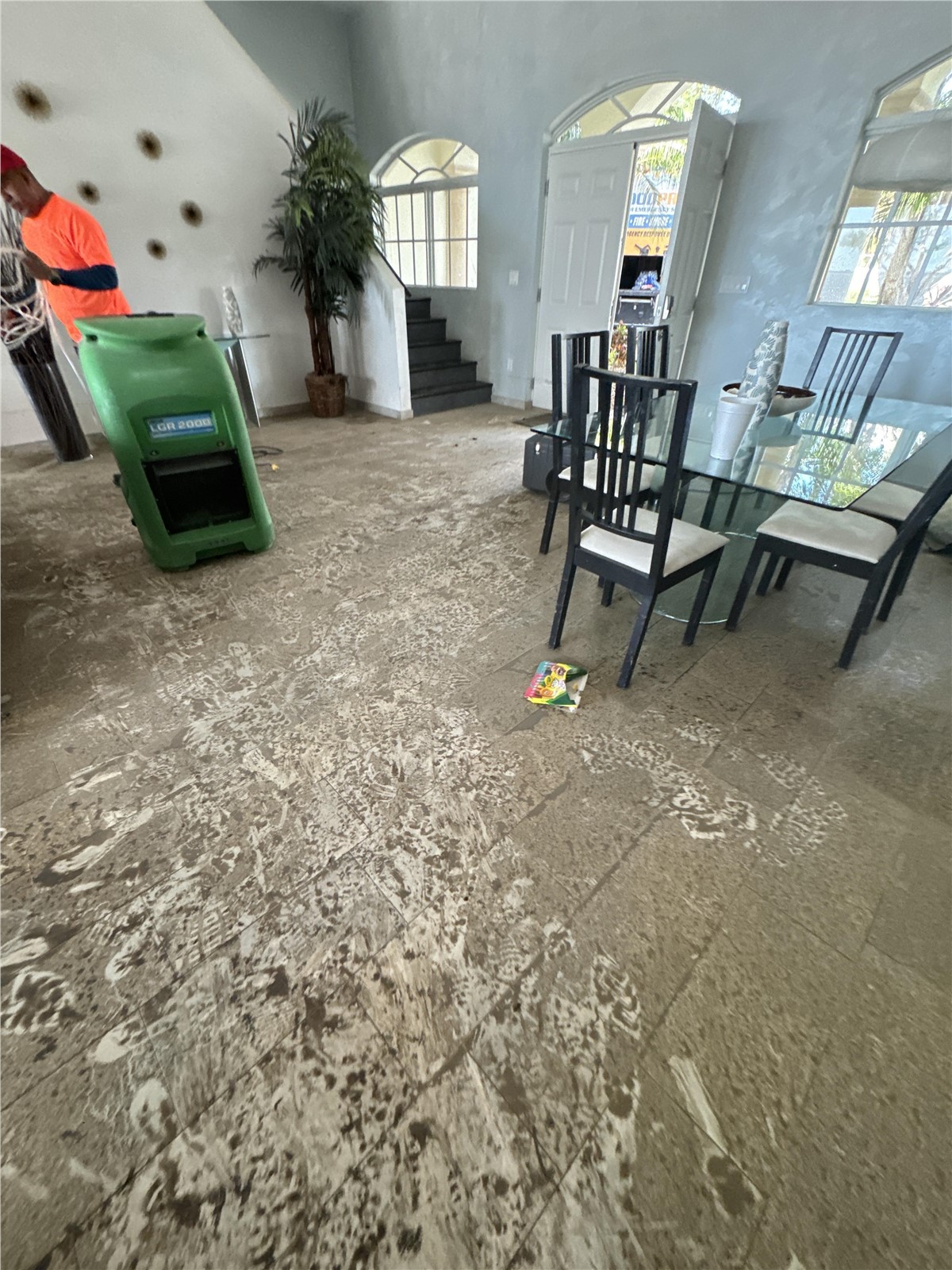
Hidden Mold in Banana River: What Merritt Island Property Owners Should Know
Living near the Banana River offers scenic views, boating access, and the relaxed coastal lifestyle that attracts many families to Merritt Island. But waterfront living also brings constant exposure to humidity, storms, and moisture conditions that can quietly create mold problems inside homes.
One of the most challenging mold issues for homeowners is hidden mold — contamination growing out of sight behind walls, under flooring, or above ceilings. Because mold often develops in concealed spaces, many property owners don’t realize a problem exists until odors, stains, or damage appear.
Understanding where hidden mold develops, why it occurs so frequently in Banana River homes, and how professionals locate and correct it helps Merritt Island property owners prevent costly damage and recurring issues.
What Hidden Mold Really Means
Hidden mold refers to mold growth that develops in areas homeowners rarely see. Mold spores naturally exist everywhere, indoors and outdoors. Problems begin when spores land on damp surfaces and start growing.
In many cases, mold spreads inside building materials long before it becomes visible in living spaces. By the time mold appears on walls or ceilings, contamination may already exist behind surfaces or beneath floors.
Common materials where hidden mold grows include:
• Drywall
• Insulation
• Wood framing
• Flooring materials
• Ceiling materials
• Stored items
The key factor allowing hidden mold to grow is moisture that remains unnoticed for extended periods.
Why Hidden Mold Is Common in Banana River Homes
Homes near the Banana River experience environmental conditions that make hidden mold problems more likely.
Persistent Coastal Humidity
Humidity remains elevated much of the year, allowing moisture to linger indoors.
Frequent Storm and Rain Exposure
Summer storms and tropical weather can cause roof leaks or water intrusion.
Elevated Ground Moisture
Homes near waterways often experience damp soil conditions beneath foundations and crawl spaces.
Continuous Air Conditioning Use
Air conditioners run most of the year and sometimes create condensation problems around ducts or air handlers.
Older Building Construction
Some homes lack modern moisture barriers or ventilation improvements, allowing moisture to accumulate unnoticed.
Because moisture is common in coastal Florida, hidden mold sometimes spreads before homeowners realize there is a problem.
Common Places Hidden Mold Develops
Hidden mold usually grows in locations homeowners rarely inspect.
Behind Walls
Plumbing leaks or storm intrusion sometimes allow mold growth inside wall cavities.
Under Flooring
Moisture trapped beneath tile, laminate, or carpet can lead to hidden contamination.
Attics
Roof leaks and poor ventilation allow mold to grow above ceilings.
Crawl Spaces
Moisture beneath homes often spreads upward into flooring and walls.
HVAC Systems
Condensation around air handlers or ducts sometimes spreads spores through the home.
Closets and Storage Rooms
Limited airflow allows humidity buildup, especially along exterior walls.
Often, mold spreads in these areas long before visible signs appear.
Signs Hidden Mold May Be Present
Homeowners often notice warning signs before seeing mold itself.
Common indicators include:
• Persistent musty odors
• Stains on ceilings or walls
• Peeling or bubbling paint
• Damp or humid indoor air
• Mold appearing repeatedly in the same location
• Warped flooring or baseboards
• Increased indoor humidity
These symptoms often indicate moisture has been present for some time.
Why Hidden Mold Often Goes Undetected
Hidden mold frequently develops without obvious warning signs.
Common reasons include:
• Mold growing behind drywall
• Moisture trapped under flooring
• Attic leaks going unnoticed
• Crawl space moisture spreading upward
• HVAC systems distributing spores quietly
By the time mold becomes visible, contamination may already exist in several areas of the home.
Why DIY Mold Cleanup Rarely Solves Hidden Problems
Homeowners sometimes attempt to clean visible mold without realizing the contamination extends deeper.
Common DIY issues include:
• Cleaning only surface mold
• Hidden moisture sources remain
• Mold continues growing behind materials
• Spores spread during cleaning
• Mold returns weeks or months later
Cleaning visible mold does not remove contamination hidden behind walls or floors.
Professional remediation addresses the entire problem.
How Professional Mold Inspection Finds Hidden Mold
Professional mold inspections help determine whether mold is present and where moisture is entering the home.
Typical inspection steps include:
Visual Assessment
Inspecting attics, crawl spaces, walls, and HVAC systems.
Moisture Detection Tools
Moisture meters and infrared cameras help locate hidden damp areas.
Air or Surface Sampling (when needed)
Testing measures mold contamination levels.
Detailed Findings and Recommendations
Homeowners receive guidance on corrective steps.
Professionals familiar with local conditions, such as Mold Removal Merritt Island, often recognize moisture patterns quickly because they understand how coastal humidity affects Banana River homes.
What Happens If Hidden Mold Is Found
If hidden mold contamination is discovered, professional remediation may be necessary.
Remediation typically includes:
Containment Setup
Plastic barriers and air filtration systems prevent spores from spreading.
Removal of Contaminated Materials
Damaged drywall or insulation may need replacement.
Cleaning and Treatment
Remaining materials are professionally cleaned.
Air Filtration
HEPA filtration removes airborne spores.
Moisture Source Correction
Leaks, condensation, or humidity problems are corrected.
Restoration Work
Affected areas are repaired so normal living conditions return.
Correcting moisture sources is essential to prevent mold from returning.
How Hidden Mold Affects Homes Over Time
Hidden mold problems extend beyond appearance.
Structural Damage
Long-term mold growth damages drywall, insulation, and wood framing.
Persistent Odors
Musty smells often remain until contamination is removed.
Indoor Comfort Issues
Rooms may feel damp or stale.
Increased Repair Costs
Delaying remediation often leads to larger restoration expenses.
Addressing mold early helps prevent costly repairs.
Steps Homeowners Can Take to Prevent Hidden Mold
Preventive maintenance helps reduce hidden mold risks.
Maintain Roof and Gutters
Repair leaks quickly.
Service HVAC Systems Regularly
Ensure proper drainage and airflow.
Monitor Indoor Humidity
Keeping humidity below 55% helps prevent mold.
Address Plumbing Leaks Quickly
Small leaks can create major problems.
Inspect Attics and Crawl Spaces Periodically
Hidden moisture often starts here.
Check Homes After Heavy Storms
Look for leaks following heavy rain.
Routine inspections help catch moisture problems early.
Why Local Experience Matters in Banana River Homes
Homes near the Banana River face moisture challenges not common inland.
Professionals familiar with local homes understand:
• Coastal humidity patterns
• Storm-related moisture risks
• Typical local construction styles
• Frequent moisture entry points
• Common mold growth areas
Local experience allows faster identification and effective correction of hidden moisture problems.
Protecting Your Home from Hidden Mold
Hidden mold problems rarely resolve without proper inspection and remediation once contamination spreads into concealed parts of the home. Addressing mold early prevents additional property damage and helps avoid recurring issues.
Homeowners who inspect their homes after storms, correct moisture problems quickly, and seek professional guidance when mold concerns arise usually avoid major restoration costs later. When necessary, experienced local professionals like Mold Removal Merritt Island can help identify contamination and guide proper remediation so mold does not return.
For Banana River property owners, the key takeaway is simple:
Correcting moisture problems and addressing hidden mold early protects your home, indoor comfort, and long-term property value.
