
Musty Odors Explained in Brevard County: What Merritt Island Property Owners Should Know
A musty smell in a home is more than an annoyance—it’s usually a signal that moisture is lingering somewhere it shouldn’t. Across Brevard County, property owners frequently notice these odors because the coastal environment makes it easy for damp conditions to stick around. On Merritt Island, surrounded by the Banana River, Indian River, and nearby lagoons, musty odors are especially common.
The challenge is that musty smells don’t always come from obvious mold spots or active leaks. They often originate in hidden areas and can appear and disappear depending on humidity, weather, and HVAC operation. Understanding what causes these odors—and what they usually mean—helps property owners address the real issue instead of masking it.
What a Musty Odor Actually Indicates
A musty odor is typically the smell of microbial activity combined with damp materials. Mold and mildew release compounds as they grow, and those compounds create the familiar earthy or stale smell many people recognize.
In Brevard County homes, this odor doesn’t require visible mold. Moist drywall, insulation, wood framing, carpeting, or dust buildup can all contribute once they stay damp long enough. Even small, hidden areas can affect the smell of an entire room.
Because air circulates through homes, odors from hidden spaces often show up far from their source.
Why Musty Smells Are So Common in Brevard County
Humidity is the main reason. Coastal Florida air holds moisture year-round, and homes rarely get a true drying period. Even when air conditioning is running, moisture can remain trapped behind walls, under flooring, or inside HVAC systems.
High water tables add pressure from below, especially in slab-built homes common throughout Merritt Island. Moisture vapor can migrate upward and settle into flooring systems or lower wall sections.
Storms also play a role. Wind-driven rain, minor intrusion, or short power outages that interrupt AC operation can raise indoor humidity enough to create musty odors days or weeks later.
Salt air exposure accelerates wear on seals and HVAC components, increasing the likelihood of small moisture intrusions that quietly feed odor-causing growth.
Common Places Musty Odors Originate
Musty smells usually start in areas with limited airflow. Some of the most common sources include:
- Attics with poor ventilation, where warm, humid air condenses
- HVAC systems, especially air handlers, drain pans, and ductwork
- Closets on exterior walls that stay closed most of the time
- Under flooring in slab homes where moisture becomes trapped
- Wall cavities affected by past leaks or condensation
- Bathrooms with inadequate ventilation
Because these areas aren’t inspected daily, odors can develop long before anything is visible.
Why the Odor Comes and Goes
Many property owners notice that musty smells are stronger in the morning, after rain, or when the AC first turns on. This happens because humidity fluctuates throughout the day.
Overnight cooling increases relative humidity, allowing damp materials to release odor more strongly. When the AC cycles on, air passing through ducts or over damp components can temporarily intensify the smell.
As the day warms and humidity shifts, the odor may fade—giving the false impression that the problem resolved itself.
Why Air Fresheners and Deodorizers Don’t Work
Air fresheners only mask odors. They don’t remove moisture or stop microbial growth. In coastal homes, where humidity quickly returns, odors usually come back once the scent fades.
Dehumidifiers can help in small areas, but they rarely address whole-home moisture issues. Without identifying where dampness is coming from, musty smells tend to persist or reappear in new locations.
Cleaning visible areas alone also falls short when the source is hidden behind walls, under floors, or inside HVAC systems.
How HVAC Systems Are Often Involved
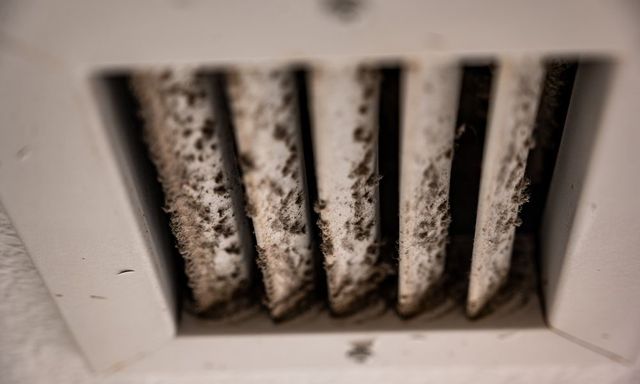
HVAC systems are a frequent contributor to musty odors in Brevard County homes. Condensation forms naturally on coils and in drain pans. If drainage is slow or insulation is compromised, moisture can linger.
Ductwork running through humid attics can also collect condensation. Once dust and moisture combine inside ducts, odors can circulate through the home every time the system runs.
This is why musty smells often seem to come from vents or become noticeable when cooling starts.
When a Musty Odor Signals a Bigger Issue
A persistent musty smell usually means moisture has been present for a while. Over time, that moisture can affect drywall, insulation, flooring, and wood framing.
Ignoring the odor allows conditions to continue—and often expand. What begins as a smell can turn into visible mold, material damage, or recurring humidity problems if the source isn’t addressed.
Early evaluation almost always limits disruption and reduces long-term repair needs.
What a Professional Evaluation Looks For
A professional evaluation focuses on moisture first. Visual inspection is paired with moisture detection tools to locate damp areas behind walls, under flooring, in attics, and around HVAC components.
Thermal imaging can help identify condensation patterns without unnecessary demolition. When appropriate, air or surface sampling may be used to confirm active growth and guide next steps.
Local professionals familiar with Merritt Island understand how coastal humidity behaves and where musty-odor sources typically hide. Companies like Mold Removal Merritt Island focus on finding and correcting those moisture conditions rather than masking symptoms.
Practical Steps to Reduce Musty Odors
Addressing musty smells starts with moisture control:
- Keep AC systems running year-round to stabilize humidity
- Maintain HVAC drainage and insulation
- Ensure bathrooms and kitchens vent outdoors
- Improve attic ventilation where needed
- Inspect closets, under-sink areas, and slab-adjacent spaces regularly
- Check after storms for subtle intrusion or elevated humidity
Small adjustments often make a big difference when applied consistently.
Why Local Experience Matters
Musty odors in Brevard County homes behave differently than in drier climates. Local experience means understanding lagoon humidity, slab construction, salt air exposure, and seasonal weather patterns.
Professionals familiar with Merritt Island homes can identify odor sources faster and recommend solutions that actually last in a coastal environment.
A Calm, Practical Next Step
If a musty odor keeps returning—or never fully goes away—it’s usually a sign that moisture is still present somewhere in the home. Not every situation requires major remediation, but ignoring the smell rarely makes it disappear for good.
For Merritt Island property owners, treating musty odors as an early warning—not just a nuisance—helps protect building materials and indoor comfort in Brevard County’s consistently humid coastal climate.
