
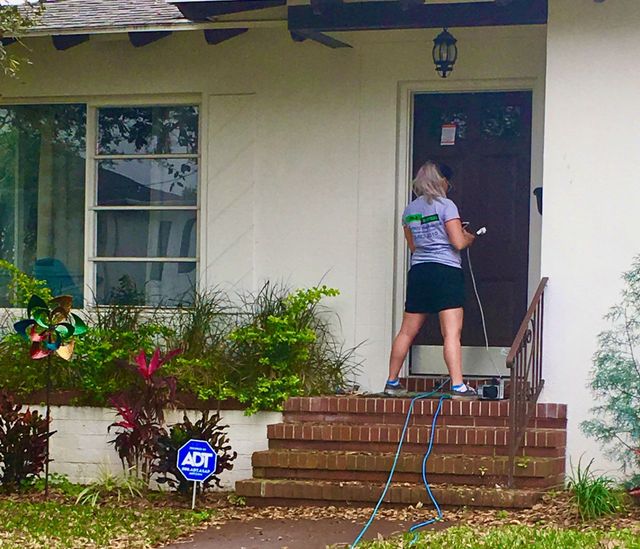
Mold Testing in Brevard County: What Merritt Island Property Owners Should Know
Across Brevard County, including Merritt Island and surrounding waterfront communities, mold problems are a common concern for homeowners. The combination of coastal humidity, frequent rain, and year-round air conditioning use creates conditions where moisture sometimes lingers indoors, allowing mold to develop.
When homeowners suspect mold, they often wonder whether testing is necessary or if cleanup alone is enough. Mold testing can be useful in certain situations, but it is also commonly misunderstood. Many people assume testing is always required, when in reality, inspections and moisture correction are often more important.
Understanding how mold testing works — and when it is truly helpful — allows Merritt Island property owners to make informed decisions when mold concerns arise.
Why Mold Problems Are Common in Brevard County Homes
Mold spores exist naturally in indoor and outdoor environments. Mold becomes a problem when spores land on damp materials and begin growing.
Homes throughout Brevard County face moisture challenges because of:
• Persistent coastal humidity
• Frequent storms and heavy rain
• High ground moisture levels
• Air conditioning condensation
• Plumbing leaks
• Older construction lacking modern moisture protection
Because moisture is difficult to avoid in coastal Florida, mold sometimes develops in hidden areas before homeowners notice visible growth.
What Mold Testing Actually Means
Mold testing involves collecting samples from air or surfaces inside a building to determine mold spore levels or identify mold types.
Testing can help answer questions such as:
• Are mold spores elevated indoors?
• Is mold spreading through the air?
• What type of mold is present?
• Has cleanup been successful?
However, testing does not remove mold or correct moisture problems. It simply measures contamination levels.
Testing is one part of evaluating a mold situation, not a solution itself.
Situations Where Mold Testing Is Helpful
Testing is most useful in specific situations.
When Mold Is Suspected but Not Visible
If musty odors exist but mold cannot be found, testing may help confirm contamination.
When Occupants Experience Persistent Odors
Testing can determine whether spores are circulating indoors.
After Mold Remediation
Post-remediation testing helps confirm cleanup was effective.
Real Estate Transactions
Buyers or sellers sometimes request testing before closing.
Legal or Documentation Purposes
Testing may be needed for insurance or dispute resolution.
In many situations, visual inspection alone provides enough information.
When Testing May Not Be Necessary
In some cases, mold testing adds little value.
Visible Mold Is Already Present
If mold is clearly visible, testing usually isn’t required to confirm its presence.
Moisture Problems Are Obvious
Correcting leaks and removing contamination is more important than testing.
Small Isolated Areas Exist
Minor mold spots often require simple remediation rather than testing.
Because mold requires moisture, correcting moisture problems remains the primary solution.
Types of Mold Testing Used in Homes
Several testing methods may be used depending on the situation.
Air Sampling
Air samples measure mold spores present indoors compared to outdoor levels.
Surface Sampling
Swab or tape samples are collected from surfaces where mold is suspected.
Bulk Sampling
Small pieces of contaminated material are analyzed in a lab.
HVAC Sampling
Air systems may be tested if contamination is suspected.
Lab results help determine contamination levels and mold types.
How Professional Mold Testing Is Conducted
Professional testing usually follows a structured process.
Visual Inspection First
Inspectors evaluate the home for moisture and visible mold before testing.
Sample Collection
Air or surface samples are collected using specialized equipment.
Laboratory Analysis
Samples are sent to accredited laboratories for analysis.
Report and Explanation
Results are explained in simple terms so homeowners understand the findings.
Recommendations
Homeowners receive guidance on corrective actions if needed.
Professionals familiar with local homes, such as Mold Removal Merritt Island, often recognize moisture patterns quickly because they understand how coastal conditions affect Brevard County properties.
Areas Commonly Tested During Inspections
Testing may focus on areas where mold is suspected.
Attics
Roof leaks or humidity sometimes lead to hidden mold.
Crawl Spaces
Ground moisture may contribute to contamination.
Behind Walls
Leaks may allow mold to grow inside wall cavities.
HVAC Systems
Condensation can spread spores through ducts.
Closets and Storage Areas
Limited airflow sometimes traps humidity.
These areas may show elevated mold levels even when growth is not visible.
Signs Mold Testing May Be Needed
Homeowners sometimes notice warning signs that suggest testing may help.
Common indicators include:
• Persistent musty odors
• Repeated mold growth in the same area
• Rooms feeling damp or humid
• Staining on ceilings or walls
• Mold near vents or windows
• Unexplained indoor air quality concerns
Testing helps confirm whether contamination is present.
Why Mold Often Goes Undetected
Mold frequently develops in hidden areas of homes.
Common reasons include:
• Mold behind drywall
• Moisture trapped beneath flooring
• Attic leaks going unnoticed
• Crawl space moisture spreading upward
• HVAC systems distributing spores
By the time mold becomes visible, contamination may already exist elsewhere.
Why DIY Mold Testing Can Be Misleading
Homeowners sometimes purchase mold test kits, but results can be confusing.
Common issues include:
• Mold spores naturally present everywhere
• Improper sampling methods
• Lack of interpretation guidance
• Misleading results causing unnecessary concern
Professional testing includes proper sampling and clear explanation of results.
What Happens After Mold Testing
If testing reveals elevated mold levels, corrective steps may include:
Moisture Source Correction
Leaks or humidity problems must be fixed.
Professional Mold Remediation
Contaminated materials may need removal.
Ventilation Improvements
Better airflow helps prevent recurrence.
Follow-Up Testing
Additional testing may confirm cleanup success.
Correcting moisture remains the key solution.
How Mold Testing Helps Protect Property Value
Homes in Merritt Island and Brevard County represent major investments. Undetected mold problems can lead to repair costs and complicate home sales.
Testing helps:
• Confirm contamination concerns
• Support real estate transactions
• Verify remediation success
• Detect hidden moisture problems
• Protect resale value
Early identification often prevents larger repair costs.
How Homeowners Can Reduce Mold Risk
Preventive maintenance reduces mold problems.
Maintain Roofs and Gutters
Repair leaks quickly.
Service Air Conditioning Systems
Prevent condensation buildup.
Monitor Indoor Humidity
Keep humidity below 55% when possible.
Address Plumbing Leaks Quickly
Small leaks can cause major problems.
Inspect Attics and Crawl Spaces
Hidden moisture often begins here.
Check Homes After Storms
Look for leaks after heavy rain.
Routine maintenance reduces future mold concerns.
Why Local Experience Matters in Brevard County
Homes throughout Brevard County face moisture challenges not common inland.
Professionals experienced with local homes understand:
• Coastal humidity patterns
• Storm-related moisture risks
• Common construction styles
• Frequent moisture entry points
• Typical mold growth locations
Local experience allows faster identification and effective solutions.
Making Smart Decisions About Mold Testing
Mold testing can be a helpful tool when used appropriately, but it works best when combined with professional inspection and moisture correction. Testing alone does not solve mold problems — it simply provides information to guide decisions.
Homeowners who address moisture issues quickly and seek professional guidance when mold concerns arise often avoid larger remediation costs later. When needed, experienced local professionals like Mold Removal Merritt Island can help homeowners determine whether testing is necessary and guide proper corrective steps so mold does not return.
For Merritt Island and Brevard County property owners, the key takeaway is simple:
Understanding when mold testing is useful helps homeowners make informed decisions and protect their homes from hidden moisture problems.
