
Humidity and Mold in Florida in Sykes Creek: What Merritt Island Property Owners Should Know
Living near Sykes Creek means enjoying water views, coastal breezes, and a relaxed island setting. It also means dealing with some of the highest humidity conditions found anywhere in Merritt Island. For homeowners, landlords, and property managers, humidity isn’t just a comfort issue—it’s the primary driver behind most mold problems in this part of Florida.
Homes near Sykes Creek sit close to open water, experience constant moisture in the air, and rely on air conditioning almost year-round. Understanding how Florida humidity behaves in this specific area, where mold tends to develop, and what actually helps control it can make the difference between an occasional cleanup and a recurring structural problem.
What the Humidity and Mold Issue Really Is
Mold growth is almost always the result of moisture staying in place too long. In Sykes Creek homes, that moisture most often comes from humid air rather than obvious leaks or flooding.
Florida’s air regularly holds large amounts of water vapor. When that air enters a home and cools, the moisture condenses onto surfaces like drywall, insulation, ductwork, and framing. Mold spores, which are always present in the air, only need that moisture and a food source—such as dust or paper backing—to begin growing.
This is why mold can develop even in homes that appear well-maintained and leak-free.
Why Humidity Is So High Near Sykes Creek
Sykes Creek creates a localized microclimate. Moist air rises off the water and moves inland, especially during evenings and early mornings. Even on days that don’t feel especially hot, humidity levels can remain elevated.
Merritt Island’s geography makes this effect stronger. With the Banana River on one side, the Indian River on the other, and lagoon systems throughout the area, moisture is constantly replenished in the air.
High water tables add pressure from below as well. In slab homes, moisture vapor can migrate upward through concrete, contributing to higher indoor humidity even when there’s no visible water intrusion.
Storms, afternoon rain, and seasonal weather patterns further increase moisture load, especially when homes don’t dry out fully between events.
How Humidity Leads to Mold Inside Homes
Humidity becomes a mold problem when it settles into areas with limited airflow. In Sykes Creek homes, common examples include:
- Attics where warm, moist air condenses on cooler roof decking
- HVAC systems where condensation forms on coils, drain pans, or ductwork
- Closets and storage rooms on exterior walls
- Behind furniture placed against cooler walls
- Under flooring where moisture becomes trapped
Because humidity affects the entire structure, mold often shows up in multiple areas at once. A bathroom ceiling spot may actually be connected to attic moisture. A musty closet may be linked to slab-level humidity or poor airflow.
Common Signs Property Owners Notice
One of the earliest signs is a musty or damp smell that lingers, especially in the morning or after rain. These odors often fade during the day, making them easy to ignore at first.
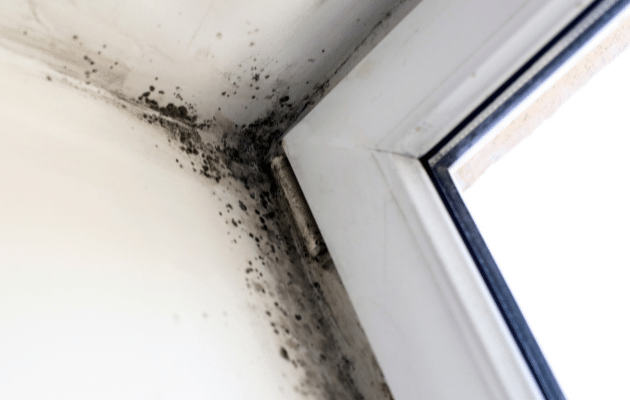
Many homeowners notice surfaces that feel cool or slightly damp, particularly near exterior walls, windows, or ceiling corners. Condensation on AC vents or window glass is another common indicator.
Visible mold may appear in bathrooms or closets, but these are usually symptoms of a broader humidity issue rather than isolated problems.
In rental or seasonal homes, mold is often discovered after long vacancies, when humidity has been allowed to build up unchecked.
Hidden Areas Where Humidity-Driven Mold Forms
Some of the most serious mold growth in Sykes Creek homes happens out of sight. Attics are a major example. Warm, moist air entering attic spaces can condense on cooler surfaces, especially when ventilation is insufficient.
HVAC systems are another frequent source. Ductwork running through humid attics can sweat, feeding mold inside ducts that then circulates throughout the home.
Behind walls, humidity can feed mold growth without leaving obvious surface damage until materials begin to break down.
Closets, cabinets, and utility rooms with limited airflow are also common problem areas, particularly in slab-built homes.
Why Dehumidifiers and DIY Fixes Often Fall Short
Portable dehumidifiers can help in small areas, but they rarely solve whole-home humidity problems in coastal Florida. They don’t address how moisture enters the structure or where it becomes trapped.
Surface cleaning and bleach treatments don’t stop humidity. Mold may disappear temporarily, only to return once moisture levels rise again.
Without addressing airflow, ventilation, insulation, and AC performance, humidity continues feeding mold behind the scenes.
Professional Evaluation of Humidity and Mold Issues
A professional inspection looks beyond visible mold and focuses on moisture behavior. Visual inspection is paired with moisture detection tools to identify where humidity is condensing or becoming trapped.
Inspectors often evaluate attic conditions, HVAC performance, duct insulation, and ventilation patterns. These factors usually explain why mold keeps appearing even after cleaning.
When helpful, air or surface sampling can clarify whether mold is active and how widespread the issue may be. Results should be explained clearly, without technical overload.
Local professionals familiar with Sykes Creek understand how lagoon humidity, slab construction, and coastal airflow interact in Merritt Island homes.
Proper Mold Remediation When Humidity Is the Cause
Effective remediation starts with moisture control. Removing mold without reducing humidity is temporary at best.
Containment is used to prevent spore spread during cleanup. Affected materials may be cleaned or replaced depending on severity and whether they are porous.
Corrective steps often include improving attic ventilation, addressing duct insulation, adjusting HVAC operation, or correcting airflow imbalances.
Companies like Mold Removal Merritt Island focus on prevention-first remediation, which is essential in high-humidity coastal areas.
Practical Ways to Reduce Humidity-Driven Mold
Consistent climate control is one of the most important steps. AC systems should remain running year-round, even in vacant homes, to keep humidity stable.
Ventilation matters. Bathrooms, kitchens, and laundry rooms should vent outdoors, and attic ventilation should allow moisture to escape.
Regular HVAC maintenance helps prevent condensation issues. Drain lines, coils, and duct insulation should be checked routinely.
Furniture placement can also help. Allowing air to circulate near exterior walls reduces condensation buildup.
After storms, a quick interior inspection can catch early moisture issues before mold has time to grow.
Why Local Experience Makes a Difference
Humidity-driven mold in Sykes Creek behaves differently than in inland Florida. Local experience means understanding daily humidity cycles, water proximity, and common building designs on Merritt Island.
Professionals familiar with the area recognize patterns—like attic condensation or slab-level moisture—that others may miss.
This local knowledge often leads to faster diagnosis and more effective long-term solutions.
A Calm, Practical Next Step
If you’re noticing musty odors, recurring mold, or persistent humidity in a Sykes Creek home, a professional evaluation can provide clarity. Not every situation requires major remediation, but understanding how humidity is affecting the structure is critical.
For Merritt Island property owners, managing humidity is the most effective way to control mold. In a coastal environment where moisture is always present, prevention and early intervention protect both the home and its long-term value.