
DIY Mold Removal Risks in North Merritt Island: What Merritt Island Property Owners Should Know
In North Merritt Island, mold is a familiar problem—and so is the temptation to handle it yourself. When a musty smell appears or a dark patch shows up on a wall, many homeowners reach for bleach, scrub brushes, or store-bought sprays. In a coastal environment like Merritt Island, however, DIY mold removal often creates bigger problems than it solves.
Properties near Sykes Creek, the Banana River, and the Indian River deal with constant humidity, high water tables, and long cooling seasons. Those conditions mean mold usually isn’t just a surface issue. Understanding the real risks of DIY cleanup helps property owners avoid spreading mold, missing hidden damage, and dealing with repeat growth that never seems to stop.
What DIY Mold Removal Usually Looks Like
Most DIY mold efforts focus on what’s visible. Homeowners scrub walls, wipe ceilings, spray vents, or clean bathroom grout where mold is easy to see. The goal is simple: remove the discoloration and get rid of the smell.
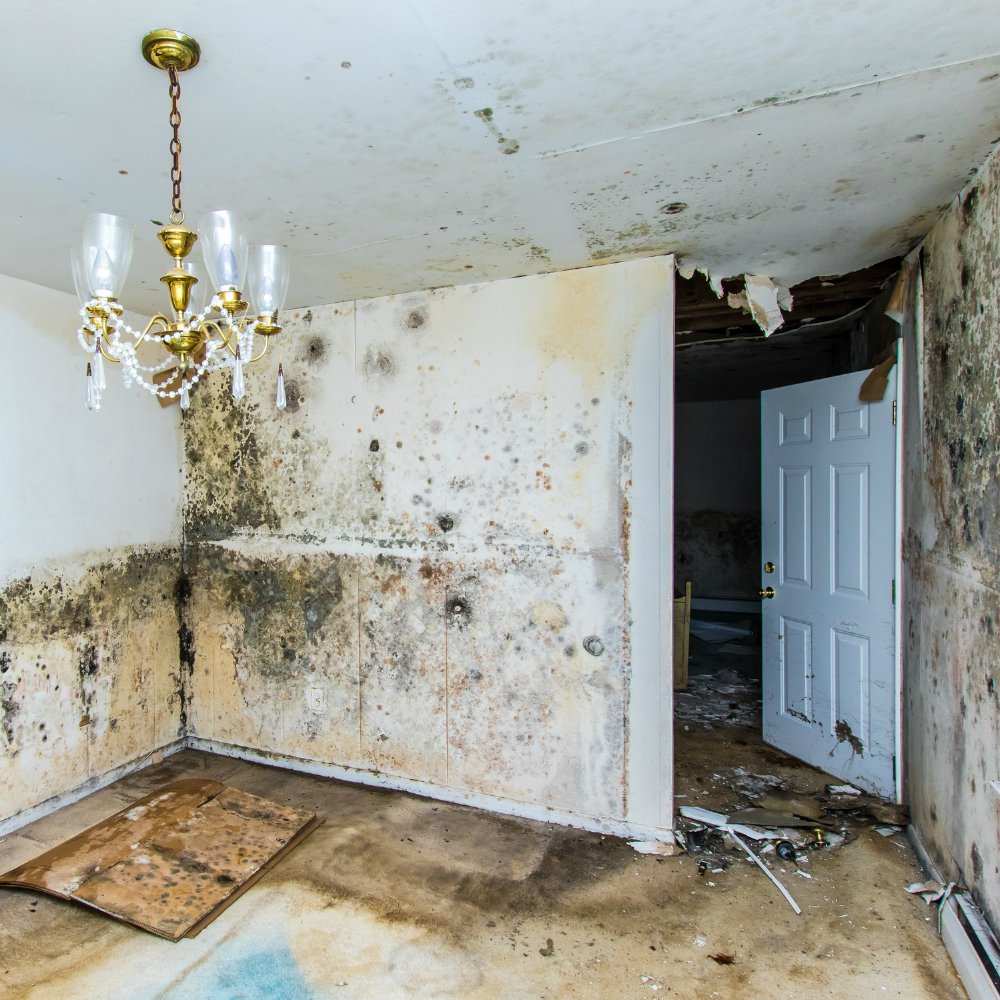
The problem is that visible mold is often just a symptom. In North Merritt Island homes, mold commonly grows behind walls, under flooring, inside HVAC systems, and in attics—areas that basic cleaning can’t reach.
When DIY cleanup stops at the surface, the conditions that allowed mold to grow remain unchanged.
Why DIY Mold Removal Is Especially Risky in North Merritt Island
North Merritt Island’s coastal conditions amplify the risks of improper mold cleanup. High humidity means moisture returns quickly if it isn’t properly controlled. Even after cleaning, damp materials can stay wet long enough for mold to regrow.
Many local homes are slab-built or older constructions. Moisture can migrate from below or from exterior walls, feeding mold growth behind finished surfaces. DIY methods rarely identify these hidden moisture pathways.
Storms and brief power outages add another layer of risk. If mold is disturbed during cleaning and humidity spikes afterward, spores can spread rapidly through the home.
Common DIY Mistakes Property Owners Make
One of the most common mistakes is using bleach on mold. Bleach may lighten stains, but it does not penetrate porous materials like drywall, wood, or insulation. Moisture remains, and mold often returns quickly.
Another mistake is dry scrubbing or sanding moldy areas. This can release large numbers of spores into the air, allowing them to settle in new locations such as HVAC systems, closets, or adjacent rooms.
Failing to address moisture sources is another frequent issue. Cleaning without fixing leaks, condensation, or ventilation problems guarantees repeat growth.
Finally, many homeowners underestimate how widespread mold is. What appears as a small patch can be connected to a much larger hidden problem.
How DIY Cleanup Can Make Mold Spread
Mold spores are lightweight and easily disturbed. Without containment, DIY cleaning can push spores into the air, where they travel through the home.
In North Merritt Island homes with central air, spores released during cleaning can be pulled into return vents and distributed throughout the duct system. This often leads to mold appearing in rooms that were previously unaffected.
Attics and wall cavities are especially vulnerable. Once spores enter these spaces, mold can establish itself out of sight, making future remediation more extensive.
Health and Property Risks of Improper Cleanup
While mold concerns are often associated with comfort and odor, improper cleanup also affects building materials. Repeated moisture exposure and surface cleaning can weaken drywall, wood framing, and flooring systems.
From a property standpoint, DIY cleanup often delays proper intervention. During that time, mold can spread deeper into walls, ceilings, and HVAC components, increasing repair costs later.
The longer moisture remains unaddressed, the more materials may need to be removed and replaced.
Why DIY Methods Miss the Real Problem
DIY mold removal focuses on removal, not diagnosis. In coastal homes, the most important question is not “Where is the mold?” but “Why is moisture staying here?”
Humidity imbalance, AC condensation, poor attic ventilation, slab moisture intrusion, and minor plumbing leaks are common drivers in North Merritt Island homes. These issues require evaluation, not surface cleaning.
Without moisture detection tools, homeowners often assume areas are dry when they are not. Coastal humidity can mask dampness, making materials feel dry while still supporting mold growth.
Professional Mold Inspection Explained
A professional mold inspection looks beyond what’s visible. Visual evaluation is combined with moisture detection to identify damp areas behind walls, under flooring, and around HVAC components.
Thermal imaging can reveal condensation patterns and hidden moisture without unnecessary demolition. When appropriate, air or surface sampling helps confirm whether mold is active and how far it has spread.
Local professionals familiar with North Merritt Island understand how humidity, water proximity, and building styles affect moisture behavior.
Proper Mold Removal vs DIY Cleanup
Professional mold remediation focuses on containment, removal, and prevention. Containment prevents spores from spreading during cleanup—something DIY methods rarely achieve.
Affected materials are cleaned or removed based on whether they are porous and how severely they are impacted. Most importantly, moisture sources are corrected before cleanup is considered complete.
Companies like Mold Removal Merritt Island approach remediation with a prevention-first mindset, which is critical in coastal environments where mold pressure is constant.
How to Reduce Mold Risk Without DIY Cleanup
Property owners can reduce mold risk without scrubbing it themselves. The most effective steps focus on moisture control rather than surface cleaning.
Maintaining consistent indoor humidity, keeping AC systems serviced, and addressing leaks promptly all reduce the likelihood of mold growth.
Regular inspections of attics, HVAC systems, closets, and slab-adjacent areas help catch issues early—before mold becomes visible.
After storms, checking for intrusion or elevated humidity can prevent mold from taking hold.
Why Local Experience Matters
Mold behaves differently in North Merritt Island than in inland areas. Local experience means understanding lagoon humidity, slab construction, salt air exposure, and seasonal weather patterns.
Professionals familiar with island homes can identify likely moisture pathways faster and avoid unnecessary damage during evaluation or remediation.
This local knowledge often saves time, reduces disruption, and leads to longer-lasting results.
A Calm, Practical Next Step
If you’re considering DIY mold cleanup, it’s worth pausing before you start scrubbing. In North Merritt Island homes, mold is rarely just a surface problem, and improper cleanup often makes it worse.
A professional evaluation can clarify what’s really happening and whether moisture conditions are driving the issue. Not every situation requires extensive remediation, but early assessment helps prevent mold from spreading and protects the long-term condition of the home.
For Merritt Island property owners, understanding the risks of DIY mold removal is an important step toward making informed, effective decisions in a coastal environment where moisture is always present.
