
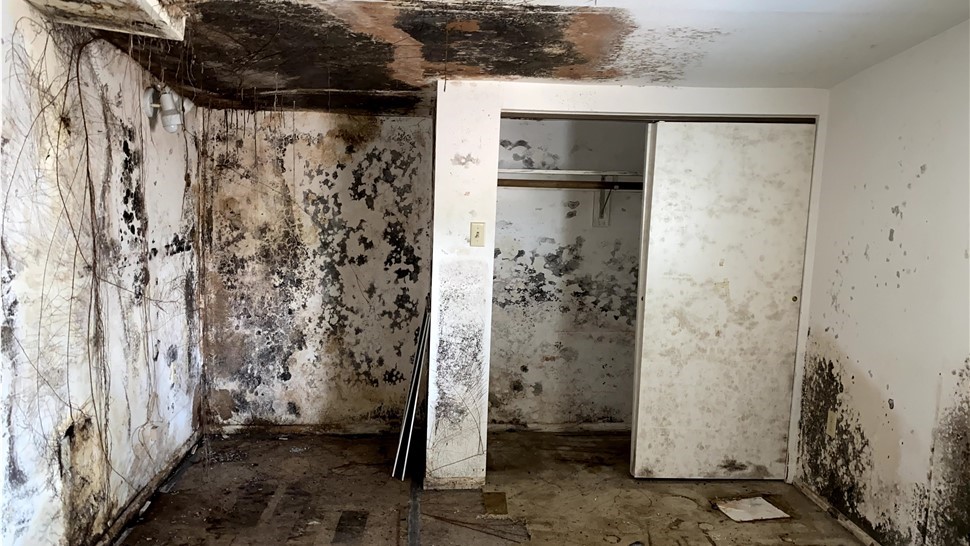
🌊 High Water Table Mold Issues in Banana River: What Merritt Island Property Owners Should Know
If your home is near the Banana River, you’re not just dealing with coastal humidity—you’re also dealing with a high water table, and that changes everything when it comes to mold risk. In Merritt Island, groundwater sits close to the surface for much of the year. That moisture doesn’t stay underground. It slowly migrates upward, affecting slabs, walls, indoor humidity, and ultimately mold growth inside the home.
Many property owners are surprised to learn that mold problems can start from below, even when there’s no visible flooding or plumbing leak.
This guide explains how a high water table contributes to mold in Banana River homes, where problems usually appear, and what Merritt Island property owners should know to stay ahead of it.
🌴 Why the Water Table Is So High Near the Banana River
Banana River properties sit in a unique coastal environment:
- Shallow groundwater levels
- Flat terrain that limits drainage
- Tidal influence on groundwater
- Heavy seasonal rainfall
- Sandy soil that allows moisture movement
- Slab-on-grade construction common in Merritt Island
When groundwater levels rise, moisture pressure pushes upward toward the home—especially after storms and during summer months.
🦠 How a High Water Table Leads to Indoor Mold
High water table mold issues develop slowly and quietly:
- Groundwater rises after rain or seasonal changes
- Moisture moves upward through soil and slab
- Concrete absorbs and releases moisture into the home
- Indoor humidity increases—especially near floors
- Condensation forms on cooler surfaces
- Mold begins growing within 24–48 hours
This happens without flooding, making it easy to miss.
🧱 Common Mold Hotspots Caused by High Groundwater
Homes near the Banana River often show mold in these areas:
- Lower drywall and baseboards
- Under flooring (tile, laminate, vinyl)
- Closets on exterior or lower walls
- Behind cabinets and vanities
- Garages and rooms above garages
- Slab-adjacent walls
- Bathrooms and laundry rooms near the slab
If mold appears low on walls or keeps returning near floors, groundwater moisture is often involved.
👃 Early Warning Signs of Water-Table-Related Mold
High water table mold issues rarely start with visible growth.
Watch for:
- Musty odors strongest near floors
- Damp or cool-feeling flooring
- Warped baseboards or trim
- Bubbling paint at lower wall sections
- Mold returning after cleaning
- Odors worse after heavy rain
- Allergy symptoms that persist indoors
These signs point to moisture pressure from below, not surface spills.
🌬️ Why AC Alone Doesn’t Solve the Problem
Air conditioning helps—but it has limits.
In high water table homes:
- Moisture enters continuously from the slab
- AC may cool without removing enough moisture
- Condensation increases on cooler surfaces
- Lower walls stay damp longer than upper walls
Without supplemental humidity control, mold risk remains—even in air-conditioned homes.
🧪 Why High Water Table Mold Is Often Misdiagnosed
These cases are commonly misunderstood because:
- No roof or plumbing leak is found
- Moisture appears “random”
- Cleaning temporarily improves appearance
- Odors return seasonally
- Mold reappears in the same lower areas
The source isn’t above—it’s below the home.
🧽 Why Repeated Cleaning Doesn’t Work
Surface cleaning fails because:
- Moisture continues wicking upward
- Mold roots remain inside porous materials
- Slab moisture isn’t addressed
- Indoor humidity stays elevated
If mold keeps returning in the same lower-wall areas, cleaning isn’t the solution.
🛠️ Effective Prevention for High Water Table Homes
Homes near the Banana River require ground-up moisture control.
What actually helps:
- Keep indoor humidity ≤55% (50% ideal)
- Use whole-home or dedicated dehumidifiers
- Maintain continuous AC operation during humid weather
- Improve airflow along exterior and lower walls
- Avoid sealing moisture inside walls with paint alone
- Inspect flooring systems for trapped moisture
- Address drainage and grading around the home
- Monitor humidity after heavy rains
Consistency matters more than intensity.
🛑 When Professional Help Is Recommended
Consider professional evaluation if:
- Mold keeps returning near floors
- Odors persist after drying efforts
- Multiple lower-wall areas are affected
- Flooring feels damp underneath
- Health symptoms worsen indoors
- Problems intensify after rain or seasonal changes
High water table mold is often systemic, not cosmetic.
📉 How High Water Table Mold Affects Property Value
Unresolved groundwater-related mold can:
- Fail inspections
- Trigger buyer concern about slab moisture
- Require remediation before sale
- Reduce offers
- Increase insurance scrutiny
Documented moisture control protects resale value.
🌊 Why Banana River Homes Need Extra Vigilance
Compared to inland homes, Banana River properties:
- Dry more slowly
- Experience higher slab moisture
- Face tidal and seasonal groundwater changes
- Have longer mold growth windows
What works inland often isn’t enough here.
✅ Final Takeaway for Merritt Island Property Owners
Near the Banana River, mold problems don’t always come from rain or leaks—often, they come from below the slab.
Remember:
✔ High water tables raise indoor humidity
✔ Mold can grow without flooding
✔ Lower walls and floors are early warning zones
✔ Cleaning without moisture control fails
✔ Long-term humidity management is key
With the right moisture strategy, high water table mold issues are manageable and preventable—but they require understanding where the moisture really comes from.
If you’d like, I can also provide a slab moisture risk checklist, groundwater-related mold prevention plan, or room-by-room inspection guide tailored specifically for Banana River and Merritt Island homes.
