
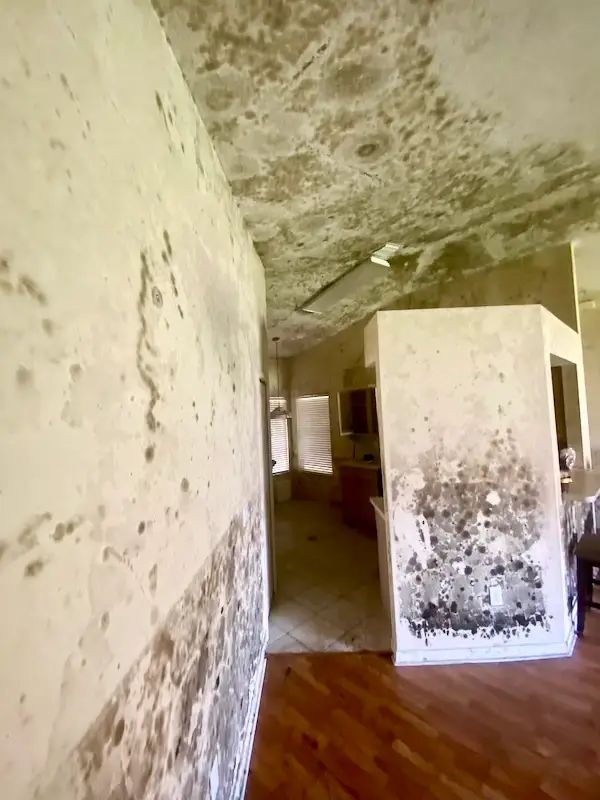
Does Insurance Cover Mold in Merritt Island: What Merritt Island Property Owners Should Know
For homeowners on Merritt Island, mold concerns often come with a second, equally stressful question: Will insurance cover this? In a coastal environment shaped by constant humidity, frequent storms, and high water tables, mold problems are common—but insurance coverage isn’t always straightforward.
Understanding how insurance typically approaches mold in Merritt Island helps property owners respond faster, avoid assumptions, and reduce the risk of long-term damage. In many cases, coverage depends less on the mold itself and more on how and why the moisture occurred in the first place.
What Mold-Related Insurance Questions Usually Involve
Most insurance questions about mold begin after a water issue. That might be a roof leak during a storm, a plumbing failure, an appliance overflow, or wind-driven rain intrusion. Mold usually appears later, once moisture stays trapped in walls, flooring, or HVAC systems.
In Merritt Island homes, mold is rarely the initial event. It’s a secondary condition caused by moisture that wasn’t fully dried or detected early. By the time mold is visible, the original water problem may already feel “resolved,” which is where confusion often starts.
From an insurance standpoint, the focus is usually on what caused the moisture, how quickly it was addressed, and whether the damage was sudden or ongoing.
Why Mold Coverage Is a Common Concern in Merritt Island
Merritt Island’s environment makes mold more likely after any water intrusion. High humidity slows drying, even when air conditioning is running. Moisture can remain behind walls, under flooring, or inside duct systems long after surfaces appear dry.
Slab foundations and high water tables add complexity. Moisture pressure from below can interfere with drying after leaks or minor flooding. Waterfront and near-waterway homes—especially those near the Banana River or Indian River—often experience prolonged damp conditions after storms.
Salt air exposure also plays a role. Over time, it accelerates wear on roofs, flashing, window seals, and HVAC components, increasing the likelihood of small water intrusions that later lead to mold.
Common Situations That Lead to Insurance Confusion
One common scenario involves storm-related roof or window leaks. Even minor intrusion can introduce enough moisture to support mold growth if drying is delayed.
Plumbing issues are another frequent trigger. A burst supply line is obvious, but slow leaks behind walls or under cabinets may go unnoticed until mold appears.
AC-related moisture is also common in Merritt Island. Drain pan overflows, clogged drain lines, or condensation issues can add moisture without a dramatic “incident” to point back to.
In seasonal or vacant homes, mold is often discovered weeks or months after a water event, making it harder to connect the cause without a professional evaluation.
Why Timing Matters So Much
In coastal homes, mold can begin developing quickly once materials stay damp. Early inspection and moisture detection help establish what happened and whether moisture is still present.
From a practical standpoint, documenting the initial water issue and addressing it promptly reduces the risk of mold spreading into additional materials. Delays often allow moisture to migrate into walls, flooring, and HVAC systems, increasing the scope of damage.
Even when insurance is involved, early action helps protect the structure and limits disruption.
The Role of Mold Inspections When Coverage Is Unclear
A professional mold inspection focuses on identifying moisture sources, affected areas, and current conditions. Visual inspection is paired with moisture detection tools to locate damp materials behind walls, under floors, and around HVAC components.
When appropriate, air or surface sampling may be used to confirm active mold growth and help guide remediation decisions. Results should be explained clearly, focusing on what’s active versus what’s residual from past moisture.
Local inspectors familiar with Merritt Island understand how coastal humidity affects drying and why mold often extends beyond the originally damaged area.
Proper Mold Removal Regardless of Insurance Outcome
Whether insurance coverage applies or not, effective mold remediation always starts with moisture control. Leaks, condensation issues, or intrusion points must be corrected first.
Containment is used to prevent spores from spreading during cleanup. Affected materials—such as drywall, insulation, flooring, or duct components—are cleaned or removed based on severity and material type.
The objective is stabilization: restoring normal moisture conditions so mold does not continue developing after repairs. Companies like Mold Removal Merritt Island focus on remediation approaches designed for coastal homes rather than temporary cosmetic fixes.
Common Misunderstandings Property Owners Have
One frequent misconception is that mold always appears immediately after water damage. In reality, it often shows up later, once moisture has remained long enough to support growth.
Another misunderstanding is assuming visible mold is the full extent of the issue. In Merritt Island homes, hidden mold behind walls or under flooring is common after moisture events.
Some homeowners also believe drying alone solves the problem. If moisture isn’t fully removed from porous materials, mold can continue growing even after fans and dehumidifiers are removed.
How to Reduce Mold Risk After Water Issues
Quick response is one of the most effective ways to limit mold development. Addressing leaks promptly and ensuring thorough drying reduces long-term risk.
Post-drying inspections help confirm moisture levels have returned to normal. In coastal environments, this step is especially important because high humidity can mask lingering dampness.
Routine maintenance—roof checks, plumbing inspections, and HVAC servicing—also helps prevent water issues that later turn into mold problems.
Why Local Experience Makes a Difference
Mold behavior in Merritt Island differs from drier or inland areas. Local experience means understanding how humidity, slab construction, and coastal weather patterns influence moisture spread and drying timelines.
Professionals familiar with island homes can identify likely moisture pathways faster and explain what’s happening in practical, homeowner-friendly terms.
This local knowledge often prevents missed damage and reduces the risk of recurring mold after repairs.
A Calm, Practical Next Step
If you’re dealing with mold and unsure how insurance applies, a professional evaluation can provide clarity. Not every situation results in coverage, but early assessment helps prevent moisture from causing further damage.
For Merritt Island property owners, understanding how mold and insurance intersect—within the realities of a coastal environment—supports better decisions, protects the home, and reduces ongoing uncertainty when moisture problems arise.
