
Mold Prevention After Storms in Indian River: What Merritt Island Property Owners Should Know
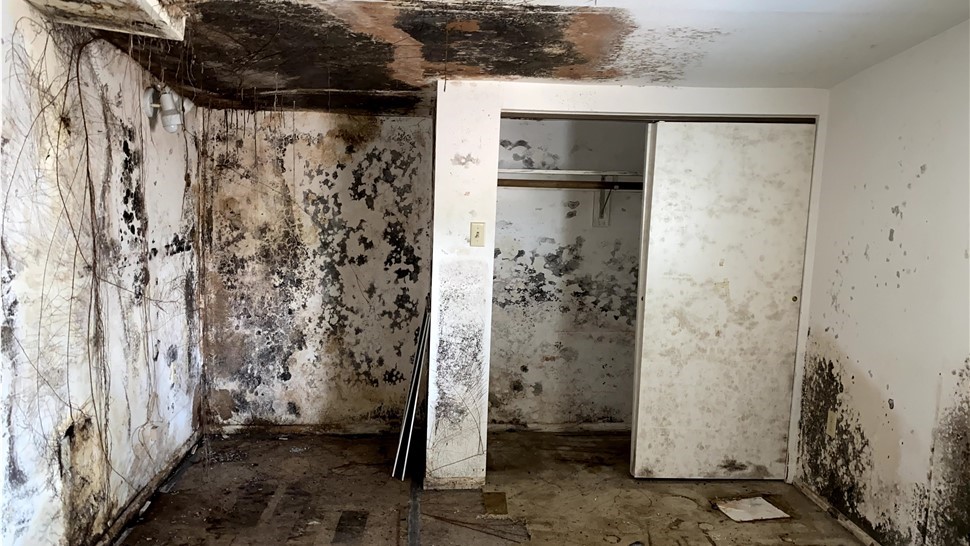
Storms are a fact of life along the Indian River, but mold after storms doesn’t have to be. In Merritt Island’s coastal environment, even “minor” storms can leave behind hidden moisture that lingers long after skies clear. Wind-driven rain, elevated humidity, and salt air slow drying—and that delay is what allows mold to take hold.
The key is speed and strategy. This guide explains why post-storm mold is so common near the Indian River, the early signs to watch for, and the practical steps Merritt Island property owners should take immediately after storms to prevent mold growth.
🌊 Why Indian River Homes Are More Vulnerable After Storms
Storm moisture behaves differently in waterfront homes:
- Wind-driven rain pushes water under shingles, flashing, and window seals
- High ambient humidity stays elevated for days after storms
- Salt air slows evaporation from walls and framing
- Warm temperatures accelerate mold growth
- Slab foundations trap moisture beneath floors
Even when there’s no visible flooding, moisture can remain hidden in attics, walls, cabinets, and floors.
🦠 How Mold Starts After a Storm
Post-storm mold usually follows this timeline:
- Rain intrudes through small openings or raises indoor humidity
- Materials get damp (drywall, insulation, wood, flooring)
- Limited airflow slows drying
- Mold begins growing within 24–48 hours
- Odors or symptoms appear days or weeks later
By the time stains show up, mold may already be established behind surfaces.
👀 Immediate Post-Storm Checks (First 24 Hours)
After any significant storm, do a quick but thorough walkthrough:
Inside the home
- Check ceilings for new stains or bubbling paint
- Smell for musty odors, especially in closets and upper rooms
- Inspect windows and doors for damp trim or drywall
- Look under sinks and cabinets on exterior walls
- Feel floors and baseboards for coolness or softness
Outside / transitional areas
- Inspect garage walls and ceilings
- Check attic access for damp insulation or odors (if safe)
- Look around HVAC closets for moisture or condensation
Catching moisture early is the most effective mold prevention step.
🌬️ Drying Is More Important Than Cleaning
After storms, drying beats scrubbing every time.
Best practices:
- Run AC continuously to dehumidify
- Use portable dehumidifiers in damp rooms
- Increase airflow with fans (don’t blow directly at visible mold)
- Open doors between rooms to balance humidity
- Remove wet rugs, boxes, or fabrics promptly
If materials stay damp beyond 48 hours, mold risk rises sharply.
🧱 High-Risk Areas to Prioritize After Storms
Focus your attention where storm moisture hides most often:
- Attics (roof edges, vents, insulation)
- Ceilings & upper walls below rooflines
- Exterior walls facing prevailing winds
- Under flooring on slab homes
- Closets on exterior walls
- Laundry rooms & bathrooms adding steam
- HVAC systems dealing with extra condensation
If multiple areas feel damp, humidity—not a single leak—is likely driving the risk.
👃 Early Warning Signs of Post-Storm Mold
Don’t wait for visible growth. Act on these signals:
- Musty or earthy odors after rain
- Smells stronger on humid days
- Bubbling or peeling paint
- New discoloration on ceilings or walls
- Condensation that never fully dries
- Allergy or breathing symptoms worsening indoors
Odors are often the earliest indicator of hidden mold.
🧽 Why DIY Cleaning Can Backfire After Storms
Cleaning too early—or incorrectly—can spread spores or hide evidence.
Common mistakes:
- Bleaching stains without drying materials
- Scrubbing before documenting damage
- Ignoring hidden moisture behind walls
- Turning off AC to “save energy” during humid weather
After storms, document first, dry thoroughly, then address contamination.
🛠️ Smart Prevention Steps for the Days After a Storm
Keep these habits during the week following storms:
- Maintain indoor humidity below 55% (50% ideal)
- Keep AC running; avoid shutting it off
- Empty dehumidifiers daily
- Check ceilings and closets again after 48–72 hours
- Inspect HVAC drain pans and lines
- Re-seal any compromised window or door caulking promptly
Consistency over several days prevents delayed mold growth.
🧾 Insurance, Documentation, and Timing
If storm intrusion occurred:
- Photograph stains, damp areas, and odors promptly
- Note storm dates and when issues were discovered
- Keep records of drying and repairs
- Avoid major cleanup before documentation
Mold tied to sudden storm damage may be treated differently than long-term humidity issues.
📉 Why Post-Storm Mold Hurts Property Value
Unchecked storm-related mold can lead to:
- Failed inspections
- Required remediation before sale
- Buyer hesitation or renegotiation
- Insurance complications
- Reduced resale value
Buyers often view storm-related mold as a building-envelope concern, not cosmetic wear.
⚠️ When to Seek Professional Help
Consider professional assessment if:
- Odors persist beyond a few days
- Multiple rooms are affected
- Insulation or drywall was wet
- HVAC systems were exposed to moisture
- Mold returns after drying efforts
- Health symptoms worsen indoors
Early assessment can prevent wall, ceiling, or flooring replacement.
✅ Final Takeaway for Merritt Island Property Owners
Near the Indian River, storm cleanup isn’t just about what you can see—it’s about what you can’t.
To prevent mold after storms:
✔ Inspect immediately
✔ Dry fast and thoroughly
✔ Control humidity consistently
✔ Take odors seriously
✔ Avoid surface-only fixes
Fast, methodical action after storms is the best defense against mold in Merritt Island homes.
