DIY Mold Removal Risks in South Merritt Island: What Merritt Island Property Owners Should Know
DIY projects are part of everyday homeownership in South Merritt Island. From painting walls to replacing flooring, many property owners are comfortable handling repairs themselves. But mold removal is one area where DIY efforts often create bigger, more expensive problems—especially in coastal environments.
In South Merritt Island, mold doesn’t behave like it does in drier, inland areas. High humidity, salt air, and nearby waterways mean mold growth is often deeper, hidden, and moisture-driven, not just a surface issue. Understanding the real risks of DIY mold removal can help property owners avoid accidental spread, recurring problems, and long-term damage.
Why DIY Mold Removal Is Especially Risky in South Merritt Island
South Merritt Island homes sit close to the Banana River, Indian River, and coastal breezes that keep humidity levels elevated year-round. Even when indoor spaces look dry, moisture can remain trapped inside walls, under flooring, and within HVAC systems.
DIY mold removal becomes risky because:
- Mold is often hidden, not just visible on surfaces
- Moisture sources are rarely corrected during DIY cleanup
- Disturbing mold releases spores into the air
- Coastal humidity allows mold to regrow quickly
What looks like a small patch of mold is often just the visible edge of a much larger problem.
The Biggest DIY Mold Removal Mistakes Homeowners Make
Many DIY mold efforts fail for the same reasons.
Surface-only cleaning
Wiping or spraying visible mold doesn’t remove mold growing inside drywall, insulation, or subflooring.
Bleach myths
Bleach may discolor mold stains, but it doesn’t eliminate mold roots in porous materials—and can add moisture that worsens growth.
No containment
Scrubbing mold without containment spreads spores throughout the home, often contaminating new areas.
Ignoring moisture sources
Without fixing leaks, condensation, or humidity issues, mold almost always returns.
In South Merritt Island’s climate, these mistakes can cause mold to spread faster than before cleanup began.
Hidden Mold Areas DIY Efforts Usually Miss
DIY cleanup almost always focuses on what can be seen—but mold thrives where homeowners don’t look.
Common hidden locations include:
- Behind drywall and baseboards
- Under tile, laminate, or vinyl flooring
- Inside HVAC systems and ductwork
- Attics with poor ventilation
- Cabinets near plumbing lines
By the time mold becomes visible, it has often been growing unnoticed for months.
Health and Air Quality Concerns With DIY Mold Removal
DIY mold removal can significantly impact indoor air quality.
When mold is disturbed:
- Spores become airborne
- Dust and debris spread through the home
- HVAC systems can distribute contaminants
- Odors often intensify
Even occupants without sensitivities may notice worsening air quality after DIY attempts—especially in tightly sealed coastal homes.
Why Mold Keeps Coming Back After DIY Cleanup
One of the most frustrating outcomes of DIY mold removal is recurrence.
Mold typically returns because:
- Moisture conditions weren’t corrected
- Contaminated materials weren’t removed
- Humidity remains consistently high
- Mold growth exists in adjacent hidden areas
In South Merritt Island, coastal humidity makes regrowth especially fast if moisture control isn’t addressed.
How Professional Mold Inspection Differs From DIY Assessment
Professional mold inspections focus on why mold is growing, not just where it’s visible.
A proper inspection may include:
- Moisture mapping of walls, floors, and ceilings
- Evaluating HVAC condensation and airflow
- Identifying hidden moisture intrusion
- Air or surface sampling when appropriate
This approach helps ensure the full scope of the problem is understood before any removal begins.
Proper Mold Removal vs DIY Cleanup
Professional mold remediation follows a structured process designed to prevent spread and recurrence.
This typically includes:
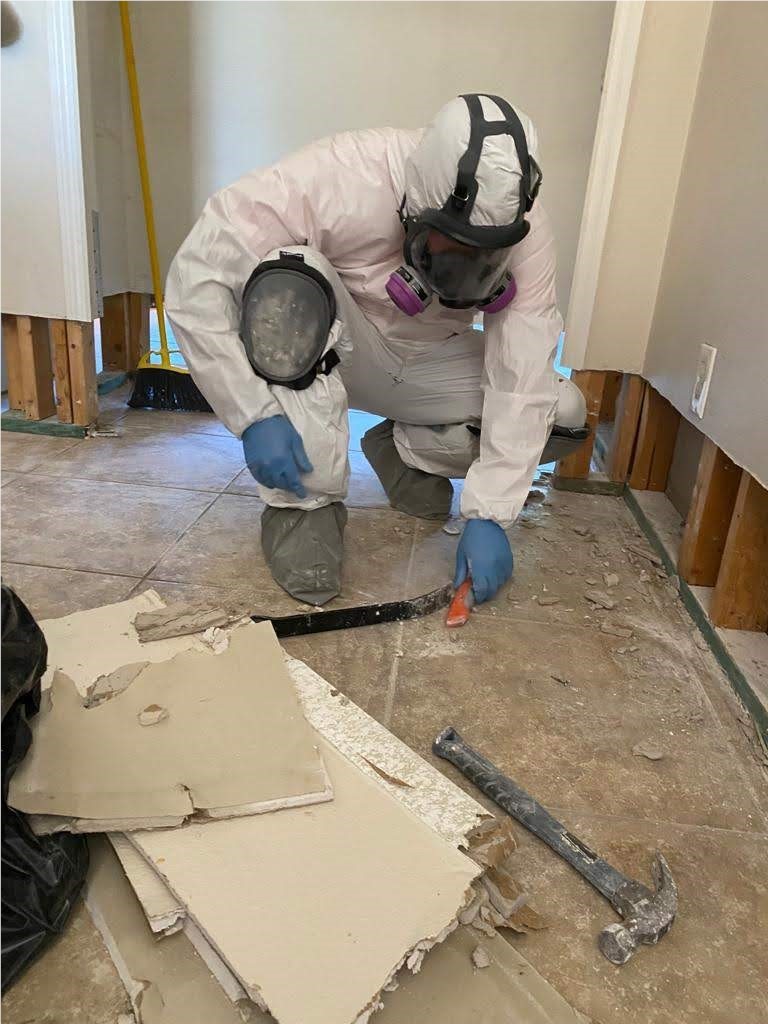
- Containment of affected areas
- Safe removal of contaminated materials
- Thorough drying and dehumidification
- Correction of moisture sources
- Verification that conditions no longer support mold growth
DIY methods usually skip several of these critical steps.
When DIY Mold Cleanup Creates Bigger Repair Costs
In many South Merritt Island homes, DIY mold removal leads to higher costs later.
This happens when:
- Mold spreads to new areas
- Flooring or walls must be removed later
- HVAC systems become contaminated
- Moisture damage worsens unnoticed
Early professional evaluation often reduces overall repair scope compared to repeated DIY attempts.
Preventing Mold Without Risky DIY Removal
Prevention is far safer than DIY cleanup.
Helpful steps include:
- Keeping indoor humidity below 55%
- Maintaining AC systems and condensate lines
- Using bathroom and kitchen ventilation consistently
- Addressing leaks promptly
- Monitoring flooring and attic areas after storms
These steps help limit mold growth before removal becomes necessary.
Why Local South Merritt Island Experience Matters
Mold behaves differently in coastal homes than inland properties. Local experience matters because:
- Humidity remains elevated year-round
- Salt air accelerates HVAC and plumbing wear
- Slab foundations trap moisture
- Waterfront airflow affects condensation patterns
Mold Removal Merritt Island understands these local conditions and approaches mold issues with a moisture-focused, prevention-first mindset.
A Calm, Practical Next Step
If you’re seeing mold—or thinking about handling it yourself—it’s worth understanding the full picture first. In South Merritt Island, mold problems are rarely just surface issues, and DIY removal often creates more damage than it solves.
A professional inspection focused on moisture behavior can provide clarity, limit disruption, and help protect both your home and indoor air quality.