
Mold During Florida Summers in Banana River: What Merritt Island Property Owners Should Know
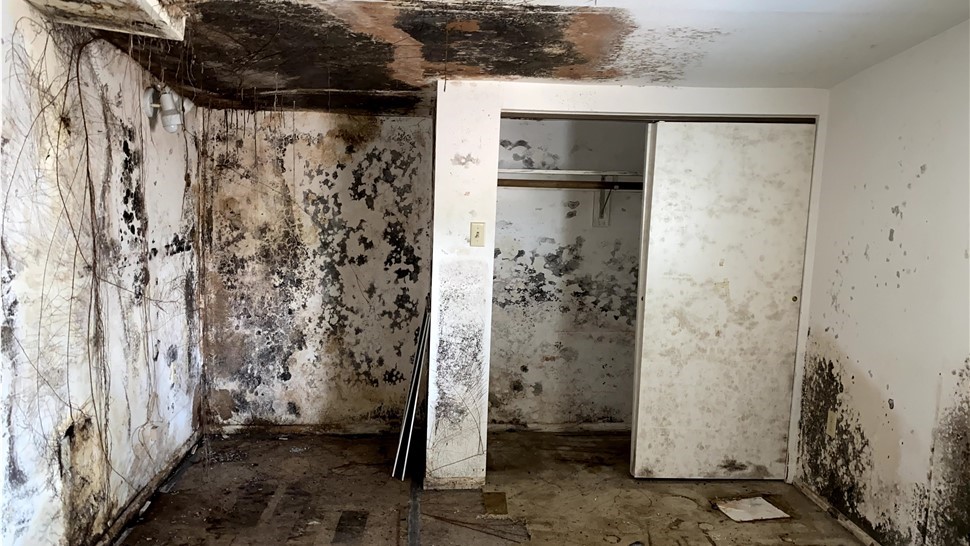
Florida summers are tough on homes—but waterfront summers near the Banana River are especially hard on moisture control. Long heat waves, near-constant humidity, afternoon storms, and nonstop air conditioning create ideal conditions for mold to grow quietly and spread before it’s obvious. Many Merritt Island homeowners don’t see a single leak—and still end up with musty odors, allergy flare-ups, or visible growth by late summer.
This guide explains why summer is peak mold season along the Banana River, the warning signs to watch for, and what property owners can do to protect health, structure, and resale value.
🌴 Why Florida Summers Supercharge Mold Near the Banana River
Summer amplifies every moisture risk in a coastal home:
- Humidity stays high day and night, limiting natural drying
- Salt air holds moisture on surfaces and slows evaporation
- Daily storms raise indoor humidity even without leaks
- Warm temperatures speed mold growth
- Long AC runtimes create constant condensation
- Slab foundations keep lower walls and floors cool and damp
Even well-maintained homes can struggle to dry out between storms.
🦠 How Summer Conditions Turn Into Mold
Summer mold typically follows this pattern:
- Humid outdoor air infiltrates the home
- Cool indoor surfaces cause condensation
- AC systems create moisture that doesn’t drain perfectly
- Low-airflow areas stay damp
- Mold begins growing within 24–48 hours
- Odors, symptoms, or staining appear weeks later
Because moisture is continuous, growth often becomes widespread before it’s seen.
🧱 Common Summer Mold Hotspots in Banana River Homes
Summer mold doesn’t hit every room equally. Watch these high-risk zones:
- HVAC systems & ductwork (condensation, drain issues)
- Attics (storm moisture + heat)
- Ceilings & upper walls after afternoon rain
- Under flooring on slab homes
- Closets & storage rooms with poor airflow
- Bathrooms & laundry rooms adding steam
- Garages with hot-to-cool temperature swings
If multiple areas show signs at once, humidity—not a single leak—is often the driver.
👃 Early Warning Signs You Shouldn’t Ignore
Summer mold often starts quietly.
Be alert for:
- Musty or earthy odors that linger
- Smells stronger on hot, humid days
- Odors that appear when the AC runs
- Bubbling or peeling paint
- Warped baseboards or trim
- Condensation that never fully dries
- Allergy or breathing symptoms worsening indoors
If symptoms line up with summer heat, moisture is likely involved.
🤧 Health Effects Linked to Summer Mold
Because exposure can be constant in summer, health effects may escalate.
Common symptoms include:
- Sneezing, coughing, or wheezing
- Sinus congestion or headaches
- Eye, skin, or throat irritation
- Worsening asthma or allergies
- Fatigue or shortness of breath
In waterfront homes, symptoms often persist until humidity is controlled.
🌬️ The AC–Mold Summer Connection
Air conditioning helps—but it can also contribute to summer mold if not optimized.
Common issues:
- Condensation on coils and drain pans
- Partial drain line clogs
- Oversized systems that cool without dehumidifying
- Duct insulation staying damp
- Air handlers in hot attics producing more moisture
If musty odors appear when the AC turns on, investigate moisture around the system.
🧪 Why Summer Mold Is Often Missed
Summer cases slip by because:
- There’s no single “event” to blame
- Leaks stop when rain stops
- Humidity is accepted as “normal Florida”
- Growth is hidden behind finishes
- Cleaning masks symptoms temporarily
By late summer, growth may be well established.
🧽 Why DIY Cleaning Rarely Works in Summer
Surface cleaning treats symptoms—not causes.
DIY efforts fail because:
- Humidity remains high
- Condensation continues
- Bleach doesn’t penetrate porous materials
- Hidden growth is untouched
If moisture isn’t reduced, mold will return.
🌊 Why Banana River Homes Need Extra Summer Vigilance
Compared to inland homes, Banana River properties face:
- Constant moisture from surrounding water
- Slower drying due to salt air
- Frequent storms reopening small defects
- Long cooling seasons with nonstop condensation
Summer turns small vulnerabilities into active mold problems.
🛠️ Smart Summer Mold Prevention
Summer prevention is about humidity control and fast response.
Effective steps include:
- Keep indoor humidity below 55% (50% ideal)
- Run AC consistently; don’t shut it off during humid weather
- Use dehumidifiers in problem areas
- Clean AC drain lines regularly
- Vent bathrooms and laundry rooms aggressively
- Inspect attics, ceilings, and closets after storms
- Keep air moving in low-use rooms
- Act immediately on stains or odors
Consistency matters more than intensity.
🧾 Summer Storms, Insurance, and Documentation
If summer storms lead to damage:
- Photograph stains and damp areas promptly
- Note dates of storms and discovery
- Document repairs and drying steps
- Avoid extensive cleanup before photos
Mold tied to sudden storm intrusion is often viewed differently than long-term humidity issues.
📉 How Summer Mold Affects Property Value
Unchecked summer mold can lead to:
- Failed inspections
- Required remediation before sale
- Buyer hesitation or renegotiation
- Insurance complications
- Reduced resale value
Buyers often see summer mold as a systemic moisture issue, not cosmetic damage.
✅ Final Takeaway for Merritt Island Property Owners
In Banana River homes, Florida summers are prime time for mold—but problems are preventable.
To protect your property:
✔ Treat humidity as the main threat
✔ Optimize AC for dehumidification
✔ Inspect after summer storms
✔ Take musty odors seriously
✔ Dry wet materials fast
✔ Avoid surface-only fixes
Staying proactive all summer can be the difference between routine maintenance and major remediation.
