
Mold in Closets in North Merritt Island: What Merritt Island Property Owners Should Know
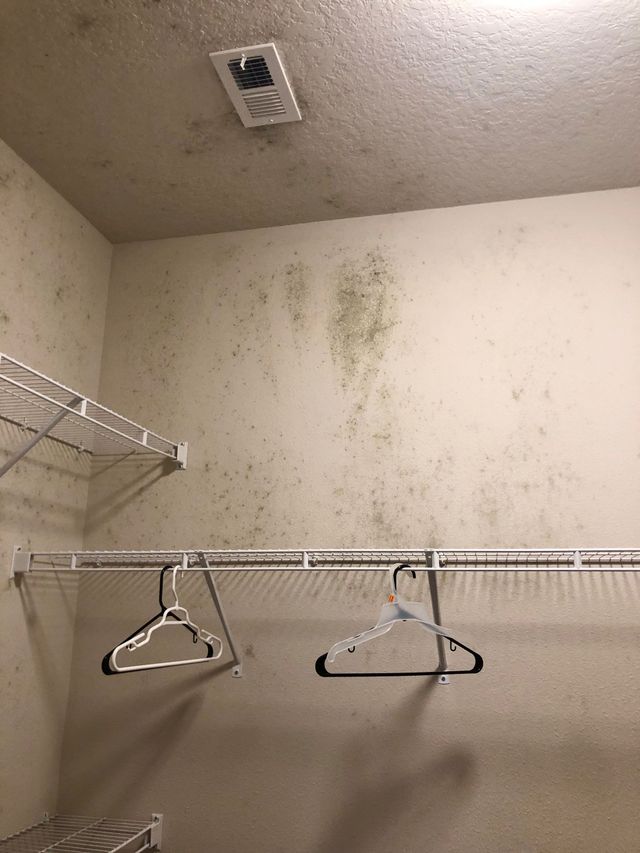
Closets are one of the most common—and most overlooked—places for mold to grow in North Merritt Island homes. They’re small, dark, rarely ventilated, and often pressed against exterior walls. In Brevard County’s humid, coastal climate, that combination creates ideal conditions for mold to thrive quietly on walls, ceilings, clothing, shoes, and stored items.
Many homeowners don’t discover closet mold until clothes smell musty, allergy symptoms flare up, or visible spots appear. By then, the moisture problem has usually been there for a while.
This guide explains why closet mold is so common in North Merritt Island, how to spot it early, and what property owners should know to prevent it from spreading.
🌴 Why Closets Are High-Risk Areas in North Merritt Island
Closets behave very differently from living spaces.
Local risk factors include:
- High indoor humidity year-round
- Exterior walls that stay cooler, attracting condensation
- Little to no airflow
- Closet doors kept closed most of the time
- Clothing and fabrics that absorb moisture
- Salt air slowing evaporation
Even when the rest of the home feels dry, closets can stay damp enough for mold to grow.
🦠 How Mold Develops in Closets
Closet mold usually forms slowly and unnoticed.
Typical process:
- Humid indoor air enters the closet
- Cool walls or ceilings cause condensation
- Moisture gets trapped due to poor airflow
- Fabrics and drywall absorb moisture
- Mold begins growing within 24–48 hours
- Odors and spotting appear later
Because closets are rarely checked closely, mold often becomes established before it’s seen.
🧱 Common Closet Mold Hotspots
Closet mold tends to appear in predictable places.
High-risk areas include:
- Exterior-facing closet walls
- Upper corners near ceilings
- Behind hanging clothes
- On shoes, handbags, and fabric bins
- On cardboard boxes or shelving
- On ceilings under attics or rooflines
Mold often starts behind clothing, making it easy to miss.
👃 Early Warning Signs of Closet Mold
Closet mold often shows up through smell before sight.
Watch for:
- Musty or damp odors when opening the door
- Clothes that smell moldy even after washing
- White, gray, green, or black spotting on walls
- Peeling paint or discoloration
- Shoes or bags developing mildew
- Mold returning after wiping
If one closet smells musty, nearby closets may also be affected.
🤧 Health Effects Linked to Closet Mold
Even small mold growth in closets can affect indoor air quality.
Possible symptoms include:
- Sneezing or coughing at home
- Sinus congestion or headaches
- Itchy eyes, skin, or throat
- Worsening asthma or allergies
- Symptoms strongest in bedrooms
Because bedroom closets are close to sleeping areas, exposure can be prolonged and nightly.
🧪 Why Closet Mold Is Often Misunderstood
Closet mold is frequently dismissed as minor.
Common misconceptions:
- “It’s just old clothes”
- “That smell is normal for Florida”
- “It’s only mildew”
- “A little bleach will fix it”
In reality, closet mold usually indicates ongoing humidity or condensation problems, not a cleaning issue.
🧽 Why DIY Cleaning Often Doesn’t Last
Wiping mold in closets rarely solves the problem long-term.
DIY cleanup fails because:
- Moisture remains in walls and air
- Bleach doesn’t penetrate drywall or fabrics
- Airflow stays poor
- Humidity remains high
- Mold regrows behind clothes
If mold keeps coming back, moisture control—not cleaning—is the missing step.
🌊 Why North Merritt Island Closets Are More Vulnerable
Compared to inland homes, North Merritt Island closets face:
- Constant coastal humidity
- Salt air moisture retention
- Slab foundations cooling lower walls
- Long AC seasons that create condensation
Even newer homes can develop closet mold without active humidity management.
🛠️ Preventing Mold in Closets
Prevention focuses on airflow, spacing, and humidity control.
Effective steps include:
- Keep indoor humidity below 55% (50% ideal)
- Leave closet doors cracked open when possible
- Avoid overpacking closets
- Space clothes away from exterior walls
- Use moisture absorbers or small dehumidifiers
- Add passive vents or airflow if feasible
- Avoid storing damp items
- Inspect closets regularly, especially in summer
Small airflow changes can significantly reduce mold risk.
🛑 When Closet Mold Needs Professional Attention
Professional assessment is recommended if:
- Mold covers large areas
- Odors persist despite airflow improvements
- Mold returns repeatedly
- Walls feel damp or soft
- Multiple closets are affected
- Health symptoms worsen indoors
Closet mold is often a symptom of a larger humidity issue in the home.
📉 How Closet Mold Affects Property Value
Closet mold is a common inspection red flag.
Potential impacts include:
- Failed home inspections
- Required remediation before sale
- Buyer concern over hidden mold
- Insurance complications
- Reduced resale value
Buyers often view closet mold as evidence of poor moisture control.
✅ Final Takeaway for Merritt Island Property Owners
In North Merritt Island, closet mold is common—but it’s not harmless.
To protect your home:
✔ Take musty closet odors seriously
✔ Watch exterior-wall closets closely
✔ Improve airflow and spacing
✔ Control indoor humidity
✔ Avoid surface-only fixes
✔ Act early before mold spreads
Closets may be small, but mold there can signal bigger moisture problems—and catching it early makes all the difference.
