
Mold After Plumbing Leaks in Indian River: What Merritt Island Property Owners Should Know
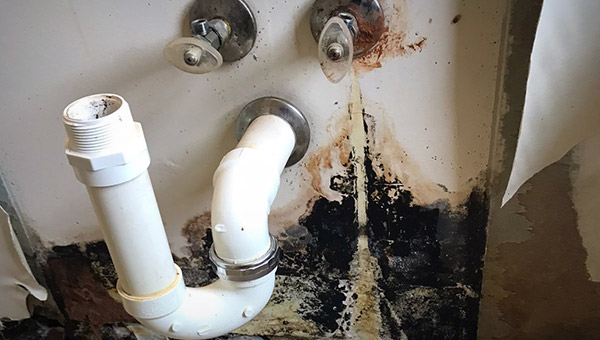
Plumbing leaks are one of the most common—and most underestimated—causes of mold in Indian River homes. Unlike dramatic floods, plumbing leaks are often slow, hidden, and continuous, quietly feeding mold behind walls, under cabinets, and beneath floors. In Merritt Island’s humid, coastal climate, that moisture rarely dries on its own—especially near waterways like the Indian River.
This guide explains why plumbing leaks so often lead to mold in Indian River properties, the warning signs to watch for, and what Merritt Island property owners should do to protect health, structure, and property value.
🌊 Why Plumbing Leaks Are Extra Risky Near the Indian River
Coastal conditions make plumbing leaks far more dangerous than they appear.
Key local factors include:
- High humidity day and night
- Salt air that slows evaporation
- Warm indoor temperatures
- Slab foundations that trap moisture
- Limited airflow inside walls and cabinets
Even a small drip can keep materials damp long enough for mold to take hold.
🦠 How Mold Develops After a Plumbing Leak
Plumbing-related mold usually follows this pattern:
- A pipe, fitting, or seal leaks slowly
- Water soaks drywall, wood, or cabinet bases
- Moisture remains hidden and undisturbed
- Mold begins growing within 24–48 hours
- Growth spreads inside walls or under flooring
Because leaks are concealed, mold often grows for weeks or months before being discovered.
🧱 Common Mold Hotspots from Plumbing Leaks
Plumbing leaks don’t stay localized—they spread moisture outward.
High-risk areas include:
- Under sinks (kitchen and bathroom cabinets)
- Behind walls with supply or drain lines
- Around toilets (failed wax rings or loose fittings)
- Behind showers and tubs
- Laundry rooms (washing machine hoses)
- Dishwasher and refrigerator water lines
- Under flooring near kitchens and bathrooms
In Indian River homes, mold is often found below the visible leak, not just at the source.
👃 Early Warning Signs You Shouldn’t Ignore
Plumbing-leak mold often reveals itself subtly.
Watch for:
- Musty or sour odors near cabinets or walls
- Swollen or soft cabinet bases
- Bubbling or peeling paint
- Warped baseboards or trim
- Discoloration near plumbing fixtures
- Flooring that feels soft or uneven
- Allergy or breathing symptoms worsening indoors
If odors persist even after fixing a leak, mold growth is likely already present.
🤧 Health Risks Linked to Plumbing-Leak Mold
Hidden mold from plumbing leaks can significantly affect indoor air quality.
Possible symptoms include:
- Sneezing, coughing, or wheezing
- Sinus congestion or headaches
- Eye, skin, or throat irritation
- Worsening asthma or allergies
- Fatigue or shortness of breath
Because the mold is hidden, exposure is often continuous, not occasional.
🧪 Why Plumbing-Leak Mold Is Often Missed
These cases are frequently overlooked because:
- Leaks are slow and silent
- Damage stays behind walls or cabinets
- Odors are blamed on “humidity”
- Repairs stop the leak—but not the mold
- Drying is assumed to happen naturally
Fixing the pipe doesn’t automatically fix the mold.
🧽 Why DIY Cleanup Rarely Works
Surface cleaning doesn’t address mold fed by plumbing leaks.
DIY attempts fail because:
- Mold is inside porous materials
- Bleach doesn’t penetrate drywall or wood
- Moisture remains trapped
- Spores spread during improper cleaning
- Hidden growth is left untouched
Without drying and removal of affected materials, mold almost always returns.
🛑 When Professional Assessment Is Needed
Professional help is strongly recommended if:
- Odors persist after leak repair
- Cabinets or drywall feel soft
- Flooring shows warping or lifting
- Mold returns after cleaning
- Multiple areas are affected
- Health symptoms worsen indoors
Early assessment can prevent wall, cabinet, and flooring replacement.
🧾 Plumbing Leaks, Insurance, and Documentation
Documentation matters—especially for insurance or resale.
Best practices:
- Photograph damage as soon as it’s discovered
- Document when the leak was found and repaired
- Keep plumbing repair invoices
- Avoid extensive cleanup before photos
- Note any odors or health symptoms
Mold tied to sudden plumbing failures may be treated differently than long-term leaks.
🛠️ Preventing Mold After Plumbing Leaks
Prevention focuses on inspection and speed.
Effective steps include:
- Check under sinks monthly
- Inspect appliance water lines regularly
- Replace old washing machine hoses
- Fix even small drips immediately
- Dry affected areas thoroughly
- Keep indoor humidity below 55%
- Watch for recurring odors or stains
In coastal homes, fast drying is critical.
📉 How Plumbing-Leak Mold Affects Property Value
Unchecked plumbing-related mold can lead to:
- Failed inspections
- Required remediation before sale
- Buyer hesitation or renegotiation
- Insurance complications
- Reduced resale value
Buyers often view plumbing-leak mold as a hidden structural risk.
✅ Final Takeaway for Merritt Island Property Owners
In Indian River homes, plumbing leaks and mold often go together—even when leaks seem minor.
To protect your home:
✔ Investigate odors promptly
✔ Don’t assume leaks “dried out”
✔ Inspect cabinets and walls carefully
✔ Fix leaks immediately
✔ Dry materials thoroughly
✔ Avoid surface-only fixes
Catching mold early after a plumbing leak can save thousands in repairs and protect indoor air quality.
