
Mold in Older Homes in South Merritt Island: What Merritt Island Property Owners Should Know
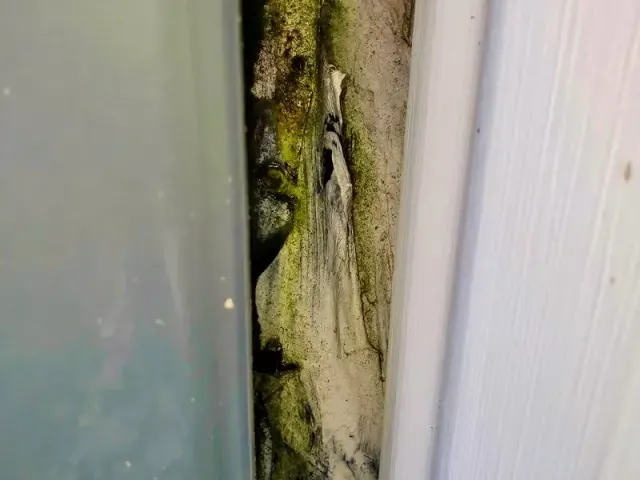
Older homes in South Merritt Island have character, solid construction, and history—but they also come with higher mold risk than newer builds. Decades of wear, outdated materials, older plumbing, and long-term exposure to Florida’s coastal humidity make mold problems far more likely, even when the home appears well maintained.
Many property owners assume mold only affects neglected houses. In reality, older homes can develop serious hidden mold issues even with good upkeep, especially in South Merritt Island’s warm, humid, salt-air environment.
This guide explains why mold is so common in older homes, where it typically hides, and what Merritt Island property owners should know to protect their homes, health, and property value.
🌴 Why Older Homes in South Merritt Island Are More Vulnerable to Mold
Age alone doesn’t cause mold—but time plus Florida conditions absolutely do.
Common factors in older South Merritt Island homes include:
- Outdated plumbing systems with slow or hidden leaks
- Aging roof materials and flashing
- Worn window and door seals
- Original HVAC systems or ductwork
- Limited or outdated ventilation
- Older construction methods without moisture barriers
- Years of humidity exposure trapped in materials
Even small, long-term moisture issues can quietly feed mold for years before anyone notices.
🦠 How Mold Develops Over Time in Older Homes
Mold in older homes often isn’t the result of one big event—it’s the result of accumulated moisture over decades.
Typical progression:
- Minor leaks or condensation go unnoticed
- Building materials absorb moisture repeatedly
- Drying becomes less effective over time
- Mold colonies establish behind walls or floors
- Odors or health symptoms appear long before visible mold
By the time mold is seen, it’s often already well established.
🧱 Common Mold Hotspots in Older South Merritt Island Homes
Older homes tend to grow mold in predictable places.
🚿 Bathrooms
- Behind original tile and tubs
- Around old plumbing penetrations
- Inside walls without proper vapor barriers
🍽️ Kitchens
- Under sinks with aging pipes
- Behind cabinets installed directly on exterior walls
- Near old dishwasher or refrigerator lines
🧱 Walls & Baseboards
- Lower walls wicking moisture from slabs
- Exterior walls with failed seals
- Areas patched or repainted repeatedly
🪵 Under Flooring
- Tile or laminate installed over slabs without barriers
- Old carpet padding retaining moisture
- Warped or soft subfloor areas
🌬️ HVAC & Ductwork
- Old duct insulation holding moisture
- Condensation inside aging air handlers
- Poor humidity control from outdated systems
These areas often hide mold until damage becomes obvious.
⚠️ Health Risks Linked to Mold in Older Homes
Because mold in older homes is often chronic, exposure tends to be ongoing.
Common health effects include:
- Persistent coughing or sneezing
- Sinus congestion and headaches
- Eye, skin, or throat irritation
- Worsening asthma or allergies
- Fatigue or breathing discomfort
Many homeowners notice symptoms improve when leaving the house—one of the clearest warning signs of indoor mold exposure.
🔍 Early Warning Signs Specific to Older Homes
Older homes often show subtle clues before visible mold appears.
Watch for:
- Musty or “old house” odors that don’t go away
- Bubbling or peeling paint
- Repeated staining in the same areas
- Warped baseboards or trim
- Floors that feel soft or uneven
- Mold that returns after cleaning
These are signs of ongoing moisture, not cosmetic aging.
🧪 Mold vs. “Normal Aging” of a Home
It’s easy to confuse mold damage with age-related wear—but they’re not the same.
| Normal Aging | Mold-Related Damage |
|---|---|
| Cosmetic wear | Persistent odors |
| Dry cracking | Damp or soft materials |
| Stable stains | Expanding discoloration |
| No health impact | Allergy or breathing issues |
If age-related “quirks” worsen over time, moisture is often involved.
🧽 Why DIY Mold Cleanup Is Riskier in Older Homes
DIY mold cleanup is especially problematic in older houses.
Why it fails:
- Mold is often deep inside old materials
- Bleach doesn’t penetrate wood or drywall
- Old materials absorb and retain moisture
- Hidden growth is left untouched
- Mold returns quickly
In older homes, surface cleaning rarely solves the real problem.
🌊 Why South Merritt Island Makes Older Homes More Susceptible
South Merritt Island adds environmental stress to already-aged structures:
- Coastal humidity day and night
- Salt air accelerating material breakdown
- Slab foundations trapping moisture
- Frequent storms and wind-driven rain
- Long cooling seasons causing condensation
Even structurally sound older homes can struggle without modern moisture controls.
🛠️ Smart Mold Prevention for Older Homes
Preventing mold in older homes requires proactive moisture management, not just repairs.
Effective strategies include:
- Keep indoor humidity below 55%
- Use dehumidifiers in problem areas
- Upgrade bathroom and kitchen ventilation
- Maintain HVAC systems and drain lines
- Replace worn seals around windows and doors
- Inspect plumbing regularly
- Act quickly after storms or leaks
- Monitor musty odors closely
Small upgrades often prevent major remediation later.
📉 How Mold Impacts the Value of Older Homes
Mold can significantly affect resale—especially in older properties.
Potential impacts include:
- Failed home inspections
- Required remediation before sale
- Buyer concerns about “hidden issues”
- Insurance complications
- Reduced property value
Buyers expect older homes to show wear—but not unresolved mold problems.
🛑 When Older Homes Need Professional Assessment
Professional help is strongly recommended when:
- Mold keeps returning
- Odors persist
- Moisture sources aren’t obvious
- HVAC systems are involved
- Flooring or walls feel soft
- Health symptoms worsen indoors
Early assessment can prevent extensive structural repairs.
✅ Final Takeaway for Merritt Island Property Owners
Older homes in South Merritt Island are more vulnerable to mold—but that doesn’t mean problems are inevitable.
To protect your home:
✔ Treat musty odors seriously
✔ Don’t dismiss moisture as “normal aging”
✔ Control humidity aggressively
✔ Inspect hidden areas regularly
✔ Avoid surface-only fixes
✔ Act early when signs appear
With proper moisture management, older homes can remain healthy, comfortable, and valuable for decades to come.
