
Mold Under Flooring in Sykes Creek: What Merritt Island Property Owners Should Know
Homes near Sykes Creek enjoy beautiful water views and cooling breezes, but that same environment brings persistent moisture challenges. In this part of Merritt Island, one of the most common hidden problems property owners face is mold growing beneath flooring. It’s rarely visible at first and often goes unnoticed until odors, flooring damage, or moisture problems become hard to ignore.
Whether the home has tile, laminate, vinyl plank, or carpet, mold under flooring is a frequent issue in waterfront and canal-adjacent neighborhoods. Understanding how it develops, why it’s so common around Sykes Creek, and what actually fixes it helps homeowners and property managers avoid ongoing damage.
What Mold Under Flooring Is
Mold under flooring develops when moisture becomes trapped between the finished floor surface and the subfloor or slab beneath it. This space doesn’t dry easily, especially in Florida’s humid climate.
In slab homes, moisture can rise through concrete and collect beneath flooring materials. In raised or older homes, leaks or flooding can soak subfloors that stay damp long after the surface appears dry.
Because flooring hides the affected area, mold can grow undisturbed for months. By the time it’s discovered, the issue often involves not just mold but also damaged adhesives, warped materials, and deteriorating subfloors.
Why This Happens So Often Around Sykes Creek
Sykes Creek homes are especially prone to under-floor moisture problems due to their proximity to water. High humidity levels remain constant throughout the year, even during cooler months.
The area’s high water table plays a major role. Moisture pressure beneath slabs increases after heavy rain, king tides, or prolonged wet periods. That moisture can migrate upward into flooring systems.
Storms and flooding are another factor. Even minor water intrusion from a storm surge, wind-driven rain, or drainage backup can introduce moisture beneath flooring. If materials aren’t fully dried, mold growth often follows.
Air conditioning can contribute as well. Cold indoor surfaces combined with warm, humid air can cause condensation near floors, particularly in poorly ventilated rooms or homes with uneven cooling.
Common Signs Property Owners Notice
One of the earliest signs is a musty or damp odor that lingers near the floor, especially after the home has been closed up. This smell is often stronger in low-lying rooms or areas near exterior walls.
Flooring changes are another red flag. Laminate or vinyl may buckle, bubble, or separate at seams. Tile grout may darken or remain damp, and carpet may feel unusually cool or clammy.
Some homeowners notice persistent humidity in certain rooms or experience difficulty keeping floors dry after normal cleaning. In more advanced cases, discoloration may appear along baseboards or at flooring edges.
Hidden or Overlooked Sources of Under-Floor Mold
Past water events are a major contributor. A leak, spill, or storm-related intrusion from years ago may still be affecting the space beneath the floor if materials were never properly dried.
Plumbing leaks beneath slabs or within walls can release moisture that spreads under flooring without visible signs. AC condensation lines and drain pan overflows can also introduce water that travels along the slab surface.
Bathrooms, kitchens, laundry rooms, and entryways are frequent problem areas. These spaces see more water use and are often closest to plumbing and exterior moisture sources.
Why DIY Mold Removal Usually Fails
Cleaning the surface of the floor doesn’t address what’s happening underneath. Mopping, deodorizing, or running fans may improve odors temporarily, but trapped moisture and mold remain below.
In many cases, flooring materials act as a moisture barrier, preventing proper drying. Without removing or lifting sections of flooring, it’s impossible to fully assess the condition beneath.
DIY attempts can also spread mold spores if flooring is disturbed without containment. This often expands the affected area and complicates proper remediation later.
Most importantly, the underlying moisture source—whether groundwater pressure, leaks, or condensation—usually goes uncorrected with DIY approaches.
Professional Mold Inspection and Testing Explained
A professional inspection focuses on identifying moisture patterns, flooring conditions, and the home’s construction type. Moisture meters help detect dampness beneath flooring without unnecessary removal.
When needed, targeted flooring removal may be recommended to confirm conditions and assess the extent of mold growth. In some situations, air or surface sampling helps determine whether mold beneath the floor is affecting indoor spaces.
Results should be explained clearly, outlining what was found, why it happened, and what steps are needed to correct it. Local experience is key when interpreting these findings in Sykes Creek homes.
Proper Mold Removal and Remediation Process
Effective remediation begins with controlling the moisture source. This may involve improving drainage, addressing plumbing leaks, adjusting AC operation, or installing moisture barriers.
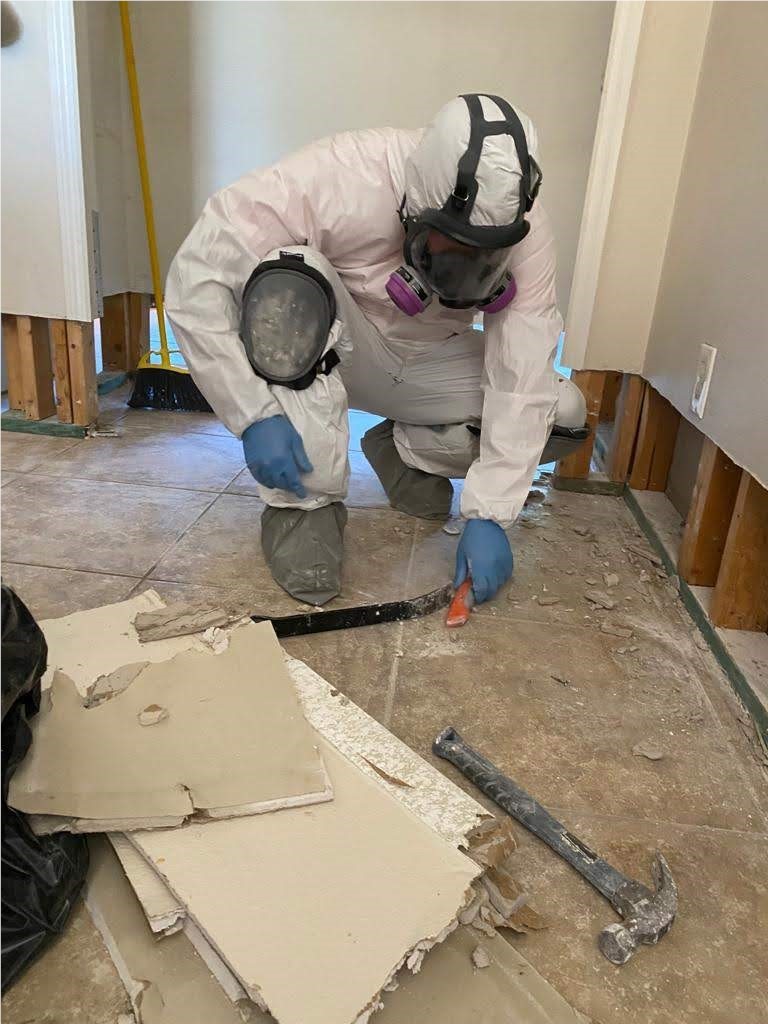
Containment is used to prevent spores from spreading during flooring removal. Affected flooring materials, adhesives, and damaged subfloor sections are removed as needed.
The underlying surfaces are cleaned and thoroughly dried before repairs or replacement flooring is installed. Moisture levels are verified to ensure conditions are stable and unlikely to support future mold growth.
Companies like Mold Removal Merritt Island focus on resolving both the visible damage and the hidden causes, which is essential in waterfront environments.
How to Prevent Mold Under Flooring in Merritt Island Homes
Prevention starts with moisture awareness. After storms or heavy rain, floors should be monitored for odors, dampness, or changes in appearance.
Promptly addressing leaks and water spills helps prevent moisture from migrating beneath flooring. Using proper underlayment and vapor barriers during flooring installation also reduces risk.
Maintaining consistent indoor humidity and ensuring AC systems are functioning correctly helps limit condensation near floors. In high-risk areas, periodic professional moisture evaluations can catch issues early.
Why Local Merritt Island Experience Matters
Mold under flooring near Sykes Creek behaves differently than in inland homes. Local professionals understand how groundwater pressure, coastal humidity, and slab construction interact.
Experience with waterfront properties leads to more accurate diagnosis and more durable solutions. This local knowledge often prevents repeated problems that generic approaches fail to address.
Working with a local specialist like Mold Removal Merritt Island provides insight based on real conditions, not assumptions.
A Calm, Practical Next Step
If you notice musty odors, flooring changes, or ongoing moisture issues, a professional evaluation can clarify what’s happening beneath your floors. Not every situation requires extensive removal, but understanding the source is critical.
For Merritt Island property owners near Sykes Creek, early assessment of under-floor mold helps protect flooring investments and prevent larger structural issues. A locally informed inspection offers clear answers and a practical path forward.
