


Mold Behind Walls in South Merritt Island: What Merritt Island Property Owners Should Know
Living in Merritt Island—especially in South Merritt Island—means dealing with moisture as a normal part of life. Proximity to the Banana River and Indian River, frequent storms, and year-round humidity all put local homes under constant moisture pressure. One of the most challenging problems this creates is mold growing behind walls.
Unlike surface mold, mold behind walls often develops quietly. There’s no obvious stain, no dramatic smell at first, and nothing visible to wipe down. By the time homeowners realize something is wrong, the issue has usually been present for a while. Understanding how hidden wall mold forms, why it’s so common in South Merritt Island, and how it should be handled helps property owners avoid long-term structural damage.
What Mold Behind Walls Actually Is
Mold behind walls grows on materials like drywall backing, wood framing, insulation, and paper-faced surfaces inside wall cavities. These materials are highly susceptible to moisture and dry very slowly once wet.
The problem isn’t that mold magically appears inside walls. It develops when moisture enters the wall cavity and remains there long enough for mold to grow. This moisture may come from plumbing leaks, roof or window intrusion, condensation, or flooding.
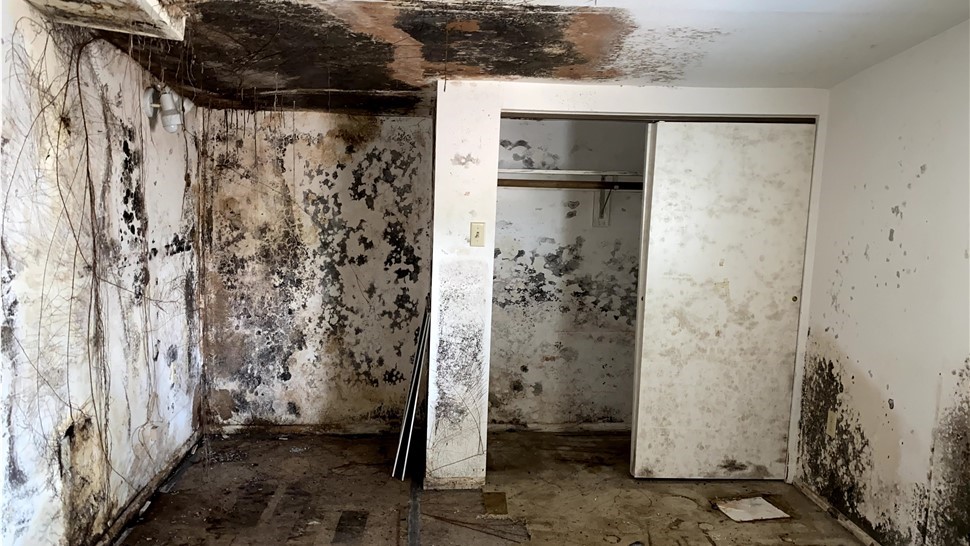
Because wall cavities are enclosed and dark, they create a stable environment for mold once moisture is present. Homeowners often don’t notice anything until the mold spreads enough to affect indoor air quality or cause visible changes to walls.
Why This Happens So Often in South Merritt Island
South Merritt Island homes face a unique combination of environmental and construction-related risk factors. Coastal humidity is persistent, not seasonal. Even well-maintained homes experience elevated moisture levels throughout the year.
Many homes in this area are slab-built, which limits natural drying from below. Moisture can migrate upward through slabs and into wall bases, especially after heavy rain or flooding. Waterfront properties and homes near canals or lagoons are particularly vulnerable.
Storms are another major contributor. Wind-driven rain can force moisture into small gaps around windows, doors, and roof penetrations. Even when exterior damage seems minor, water can travel behind walls and remain trapped.
Plumbing plays a role as well. Supply lines and drain pipes often run inside walls. A slow leak or failing fitting can release moisture gradually, soaking drywall and insulation without creating visible puddles or obvious damage.
Common Signs Property Owners Notice
Because the mold is hidden, signs are often subtle at first. One of the earliest indicators is a persistent musty or damp odor that doesn’t seem tied to any specific room or visible source.
Walls may feel soft, cool, or slightly damp to the touch in localized areas. Paint may begin to bubble, peel, or discolor, especially near baseboards or around plumbing fixtures.
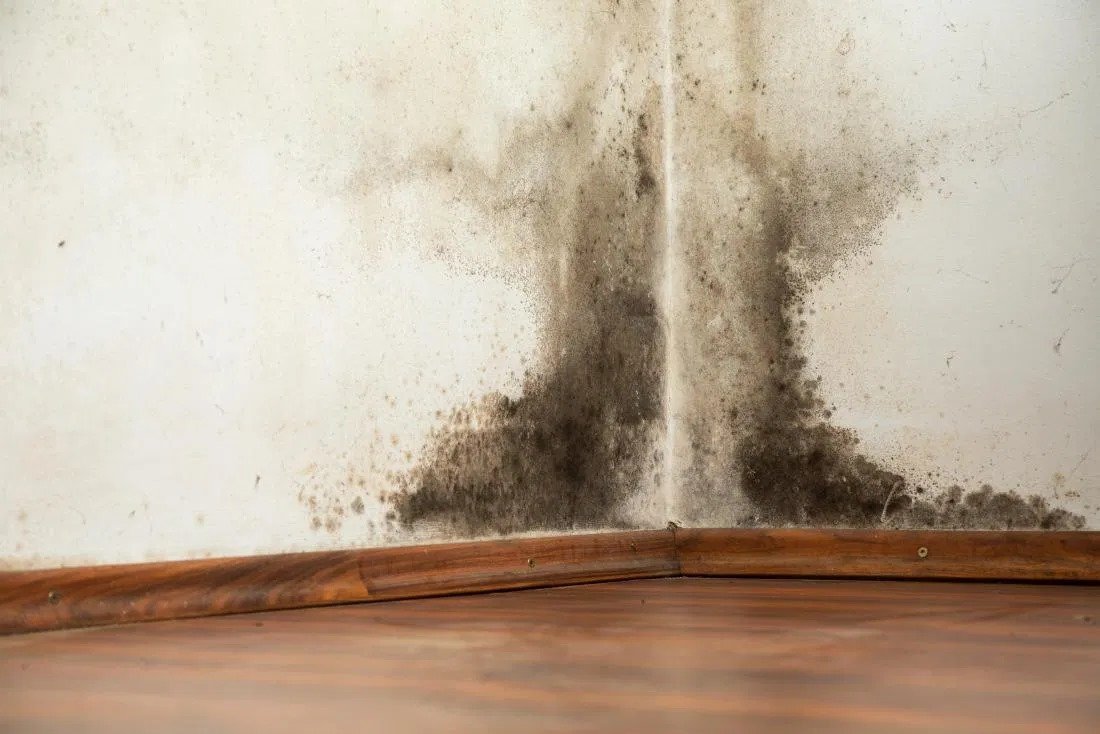
Some homeowners notice recurring condensation on walls or windows, which can point to excess moisture trapped inside wall cavities. In more advanced cases, faint staining or shadowing may appear on drywall.
In rental properties, tenants may report persistent odors, worsening indoor comfort, or unexplained wall damage that doesn’t respond to routine maintenance.
Hidden or Overlooked Sources of Wall Mold
Plumbing leaks are one of the most common causes of mold behind walls, especially around bathrooms, kitchens, and laundry rooms. Even a small leak can keep wall materials damp for months.
Roof and window intrusion is another frequent source. In coastal storms, water doesn’t always enter where damage is visible. It can travel along framing and settle behind walls far from the original entry point.
AC-related condensation also contributes. Poorly insulated ducts or cold refrigerant lines running through walls can create condensation that slowly wets surrounding materials.
Past water events matter too. A storm, flood, or leak from years ago may still be causing problems if wet materials were never fully dried or replaced.
Why DIY Mold Removal Usually Fails
Hidden mold cannot be solved with surface cleaning. Painting over stains, spraying deodorizers, or applying household cleaners does nothing to address mold growing inside the wall cavity.
Without opening the wall, it’s impossible to see the extent of the problem or determine how far moisture has spread. Attempting to “seal” the issue often traps moisture inside, making the situation worse.
DIY efforts can also release spores into the living space if wall materials are disturbed without containment. This increases the affected area and complicates proper cleanup later.
Most importantly, homeowners typically cannot identify or correct the underlying moisture source without professional tools and experience.
Professional Mold Inspection and Testing Explained
A professional inspection starts with a detailed assessment of the home’s structure, moisture patterns, and history of leaks or storms. Moisture meters and thermal imaging help identify damp areas behind walls without unnecessary demolition.
When appropriate, targeted openings may be recommended to confirm conditions inside wall cavities. In some cases, air or surface sampling helps clarify whether mold is actively affecting indoor spaces.
Any findings should be explained clearly, focusing on what’s happening, why it occurred, and what steps are needed to fix it. The goal is to provide clarity and direction, not create alarm.
Local experience is critical here. Professionals familiar with South Merritt Island homes know where moisture commonly enters and how it behaves in slab-built, coastal structures.
Proper Mold Removal and Remediation Process
Effective remediation begins with controlling the moisture source. This may involve plumbing repairs, sealing exterior penetrations, improving drainage, or correcting condensation issues.
Containment is used to prevent spores from spreading when wall materials are opened. Affected drywall, insulation, or wood that cannot be properly cleaned is removed and replaced.
Surfaces are cleaned using appropriate methods for each material type, followed by thorough drying and moisture control. The focus is always on restoring normal conditions so mold does not return.
Companies like Mold Removal Merritt Island emphasize fixing the cause, not just removing damaged materials, which is essential for long-term success in coastal homes.
How to Prevent Mold Behind Walls in Merritt Island Homes
Prevention starts with moisture awareness. After storms or heavy rain, interior walls near windows, doors, and exterior corners should be monitored for changes.
Plumbing systems should be inspected periodically, especially in older homes. Even small leaks should be addressed promptly to prevent long-term moisture exposure.
Proper insulation around ducts and pipes reduces condensation risk. Maintaining stable indoor humidity levels through well-functioning AC systems also plays a key role.
When remodeling or repairing water-damaged areas, wet materials should always be dried thoroughly or replaced, not simply covered up.
Why Local Merritt Island Experience Matters
Mold behind walls in South Merritt Island is shaped by coastal weather, building styles, and moisture movement unique to the area. A local professional understands these patterns and can diagnose problems more accurately.
Experience with waterfront homes, slab foundations, and storm-related intrusion leads to faster solutions and fewer missed issues. This local knowledge often makes the difference between a lasting fix and a recurring problem.
Working with a local specialist like Mold Removal Merritt Island provides guidance based on real conditions, not generic assumptions.
A Calm, Practical Next Step
If you suspect hidden moisture or notice unexplained odors, wall damage, or recurring dampness, a professional evaluation can provide answers. Not every situation requires extensive remediation, but understanding what’s happening behind the walls is essential.
For South Merritt Island property owners, early assessment of hidden mold helps protect structural materials and avoid larger repairs later. A clear, locally informed inspection offers peace of mind and a practical path forward.
