
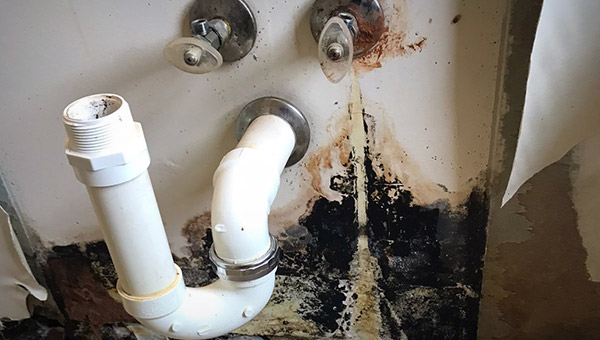
Mold Under Sinks in North Merritt Island: What Merritt Island Property Owners Should Know
Homes in Merritt Island deal with moisture year-round, but mold under sinks is one of the most common—and most underestimated—issues local property owners face. In North Merritt Island especially, where older homes, slab foundations, and high humidity intersect, under-sink mold shows up far more often than many people expect.
Because it’s hidden behind cabinet doors, this type of mold can go unnoticed for months. By the time it’s discovered, the damage is often more than just surface-level. Understanding why mold forms under sinks, what signs to watch for, and how it should be handled helps homeowners, landlords, and property managers avoid bigger problems down the road.
What the Mold Issue Is
Mold under sinks typically develops inside kitchen or bathroom cabinets where plumbing lines pass through. These areas are dark, enclosed, and prone to moisture—exactly the conditions mold needs to grow.
Even a slow drip, minor condensation, or brief leak can saturate cabinet materials. Particle board, MDF, and drywall backs absorb moisture easily and dry very slowly. Once damp, they become a long-term moisture source that allows mold to establish and spread.
Unlike visible wall or ceiling mold, under-sink mold often stays hidden until cabinets are opened for cleaning, repairs, or inspections. By that point, mold may already be growing on cabinet bases, side walls, drywall, and even nearby flooring.
Why This Happens So Often in North Merritt Island
North Merritt Island homes are especially vulnerable due to a combination of construction style and environmental conditions. Persistent humidity keeps indoor moisture levels elevated, even when air conditioning runs consistently.
Plumbing lines under sinks often sweat due to temperature differences between cold water pipes and warm indoor air. In coastal environments near Sykes Creek or the Indian River, this condensation can be frequent and heavy.
High water tables and slab foundations also play a role. Moisture can migrate upward through slabs and affect cabinets installed directly on or near the floor. Older homes may lack moisture barriers or modern ventilation features, increasing the risk further.
Storms and heavy rain add another layer of exposure. Minor plumbing shifts, aging seals, or pressure changes can cause small leaks that go unnoticed but keep cabinet materials damp long enough for mold to grow.
Common Signs Homeowners Notice
Many property owners first notice a musty or earthy smell when opening a cabinet under the sink. This odor is often stronger after the sink has been used or when the cabinet has been closed for a while.
Visible staining, dark spots, or fuzzy growth on cabinet surfaces are more obvious signs. In some cases, cabinet bottoms may appear swollen, warped, or soft due to prolonged moisture exposure.
Peeling laminate, bubbling finishes, or crumbling particle board are also common indicators. These signs often point to moisture damage that has been present longer than expected.
In rental properties, tenants may report persistent odors or concerns about pests, which sometimes trace back to damp, mold-affected cabinets under sinks.
Hidden or Overlooked Mold Sources Under Sinks
Mold under sinks isn’t always limited to what’s immediately visible. The back wall of the cabinet, where plumbing penetrates drywall, is a frequent hidden growth area. Moisture can seep into wall cavities and spread behind cabinets.
Flooring beneath cabinets is another overlooked spot. In slab homes, moisture can wick upward into cabinet bases and adjacent flooring materials.
Supply lines, drain traps, garbage disposal connections, and shut-off valves are all potential leak points. Even minor condensation on cold-water lines can keep cabinet interiors damp if ventilation is poor.
Past repairs matter as well. A leak fixed years ago may still have left behind mold if wet materials were never properly dried or replaced.
Why DIY Mold Removal Usually Fails
Wiping down visible mold with household cleaners often gives a false sense of resolution. While surface cleaning may remove staining temporarily, it doesn’t address mold growing inside cabinet materials or behind walls.
Bleach is commonly used but poorly suited for porous surfaces like wood and particle board. It may change the appearance of mold but does not remove moisture or embedded growth.
DIY efforts can also disturb mold colonies and spread spores within the cabinet or into nearby living spaces. Without containment or moisture correction, mold frequently returns.
Most importantly, homeowners often focus on cleaning without fully identifying or fixing the moisture source, which is the real driver of the problem.
Professional Mold Inspection and Testing Explained
A professional inspection starts with a careful evaluation of the cabinet, plumbing connections, and surrounding materials. Moisture meters help identify damp areas that aren’t visible to the eye.
Inspectors also assess nearby walls and flooring to determine whether moisture has spread beyond the cabinet itself. In some cases, limited air or surface sampling may be recommended to better understand the extent of contamination.
Results are explained in straightforward terms, focusing on what’s happening, why it occurred, and what steps are needed to correct it. The goal is clarity, not alarm.
Local experience matters here. Professionals familiar with Merritt Island homes know where moisture tends to hide and which materials are most affected.
Proper Mold Removal and Remediation Process
Effective remediation begins with addressing the moisture source. This may involve repairing plumbing leaks, insulating sweating pipes, or improving ventilation inside the cabinet area.
Containment is used when necessary to prevent spores from spreading during removal. Damaged cabinet materials that cannot be properly cleaned are typically removed and replaced.
Surrounding surfaces are cleaned using appropriate methods designed for porous and non-porous materials. Drying and dehumidification are critical steps to ensure moisture levels return to normal.
Companies like Mold Removal Merritt Island focus on resolving the underlying cause, not just removing visible mold, which helps prevent recurrence.
How to Prevent Mold Under Sinks in Merritt Island Homes
Prevention starts with regular inspections. Periodically opening cabinets under sinks to check for moisture, odors, or staining can catch issues early.
Plumbing connections should be checked for slow leaks, and cold-water lines may benefit from insulation to reduce condensation. Keeping cabinet interiors clean and uncluttered improves airflow and drying.
After storms or plumbing repairs, under-sink areas should be rechecked for moisture. In humid coastal environments, even small issues can escalate quickly if ignored.
Maintaining indoor humidity levels and ensuring proper AC operation also helps reduce condensation throughout the home.
Why Local Merritt Island Experience Matters
Mold problems under sinks in Merritt Island are shaped by coastal humidity, slab foundations, and aging construction materials. Local experience allows for faster identification of common failure points.
Professionals familiar with North Merritt Island homes understand how moisture behaves in these structures and how to correct it effectively. This leads to more accurate solutions and fewer repeat issues.
Working with a local provider like Mold Removal Merritt Island means guidance based on real conditions, not generic assumptions.
A Calm, Practical Next Step
If you notice musty odors, visible damage, or recurring moisture under sinks, a professional evaluation can help determine what’s really going on. Not every situation requires extensive work, but understanding the source of the problem is key.
For Merritt Island property owners, addressing under-sink mold early helps protect cabinets, flooring, and surrounding structures. A clear, local, experience-based assessment offers peace of mind and a practical path forward.
