
Mold FAQs in Sykes Creek: What Merritt Island Property Owners Should Know
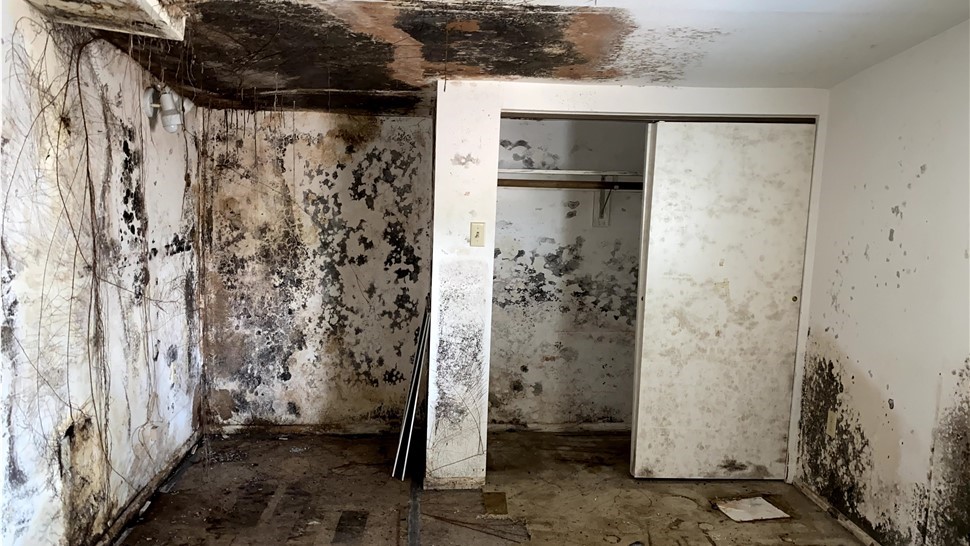
Mold is one of the most common—and most misunderstood—issues facing homeowners in Sykes Creek. Between high humidity, salt air, slab foundations, and frequent storms, mold questions come up constantly from Merritt Island property owners. Unfortunately, misinformation often leads to delayed action, repeated problems, and unnecessary expense.
This FAQ-style guide answers the most common mold questions specific to Sykes Creek homes, with clear, practical explanations you can actually use.
❓ What Causes Mold in Sykes Creek Homes?
Mold needs moisture, not necessarily flooding.
The most common causes in Sykes Creek include:
- High year-round humidity
- Plumbing leaks (even small ones)
- Roof or window leaks
- HVAC condensation problems
- Slab moisture rising through floors
- Storm-driven rain intrusion
- Poor ventilation in bathrooms and kitchens
In many cases, humidity alone is enough to cause mold—even when no leak is visible.
❓ How Fast Can Mold Grow?
Very fast.
Under Florida conditions:
- Mold can begin growing in 24–48 hours
- Growth accelerates in warm, humid environments
- Hidden mold often spreads for weeks or months before detection
That’s why early moisture control matters more than cleaning.
❓ Can Mold Grow Without Water Damage?
Yes—this surprises many homeowners.
In Sykes Creek:
- Indoor humidity often stays above 55%
- Moist air condenses on cool surfaces
- Porous materials absorb moisture
- Mold grows without leaks, floods, or storms
If your home smells musty but looks dry, humidity is often the cause.
❓ Where Does Mold Commonly Hide?
The most dangerous mold is usually out of sight.
Common hidden locations include:
- Behind drywall
- Under flooring
- Inside cabinets
- Around HVAC systems and ductwork
- Behind baseboards
- In closets and storage areas
- Under sinks
Musty odors are often the first clue.
❓ Is All Mold Dangerous?
Not all mold looks the same—but all indoor mold is a problem.
Even “common” mold can:
- Trigger allergies and asthma
- Cause respiratory irritation
- Spread rapidly if moisture continues
The bigger issue is not the mold type—it’s why it’s growing.
❓ Does Bleach Kill Mold?
This is one of the biggest myths.
Bleach:
- Removes surface staining
- Does not penetrate drywall or wood
- Adds moisture to porous materials
- Often makes mold return worse
Bleach may make mold look gone, but it rarely fixes the problem.
❓ Why Does Mold Keep Coming Back After Cleaning?
Recurring mold almost always means the moisture source was never fixed.
Common reasons mold returns:
- High indoor humidity
- Hidden leaks
- Moisture trapped behind walls or floors
- Poor ventilation
- HVAC systems spreading spores
Cleaning without moisture control is temporary at best.
❓ Can DIY Mold Removal Make Things Worse?
Yes—often.
DIY mold cleanup risks include:
- Spreading mold spores through the home
- Increasing airborne exposure
- Missing hidden mold growth
- Damaging drywall or flooring
- Creating insurance or resale issues
DIY is only appropriate for very small, non-porous surface mold with no moisture problem.
❓ When Should I Be Concerned Enough to Call a Professional?
You should consider professional help if:
- Mold keeps returning
- Musty odors persist
- Mold is on drywall, wood, or insulation
- Flooring is warped or soft
- HVAC systems are involved
- Storm or water intrusion occurred
- Health symptoms worsen indoors
These situations usually indicate hidden or ongoing moisture issues.
❓ Can Mold Affect My Home’s Value?
Absolutely.
Mold can lead to:
- Failed home inspections
- Required remediation before sale
- Buyer hesitation or renegotiation
- Insurance complications
- Reduced property value
Homes with unresolved mold issues are often flagged as high risk.
❓ Is Mold Covered by Insurance?
Sometimes—but only under specific conditions.
Insurance may cover mold if:
- It results from a sudden, covered water loss
- The issue was reported promptly
- Damage mitigation occurred quickly
Mold is usually not covered when caused by:
- Long-term humidity
- Slow leaks
- Poor maintenance
Documentation and timing matter a lot.
❓ How Can I Prevent Mold in Sykes Creek?
Prevention comes down to moisture control.
Key prevention tips:
- Keep indoor humidity below 55%
- Use dehumidifiers if needed
- Fix leaks immediately
- Vent bathrooms and kitchens properly
- Maintain HVAC systems and drain lines
- Keep airflow moving in closets and low-use rooms
- Act fast after storms
Preventing moisture is far cheaper than removing mold.
❓ Why Is Mold So Common in Sykes Creek?
Sykes Creek homes face:
- Coastal humidity day and night
- Salt air slowing evaporation
- Slab foundations trapping moisture
- Frequent storms
- Long cooling seasons
Even well-maintained homes can develop mold without consistent humidity management.
❓ What Are the Earliest Warning Signs I Should Watch For?
Never ignore:
- Persistent musty odors
- Bubbling or peeling paint
- Warped baseboards or cabinets
- Condensation that doesn’t dry
- Mold returning after cleaning
- Allergy symptoms worse indoors
These are signs of ongoing moisture, not cosmetic issues.
✅ Final Takeaway for Merritt Island Property Owners
In Sykes Creek, mold is common—but it’s not inevitable.
The most important things to remember:
✔ Mold follows moisture
✔ Humidity alone can cause mold
✔ Bleach is not a solution
✔ Recurring mold means unresolved moisture
✔ Early action prevents major damage
If you control moisture, you control mold—and protect your home’s health and value.
