
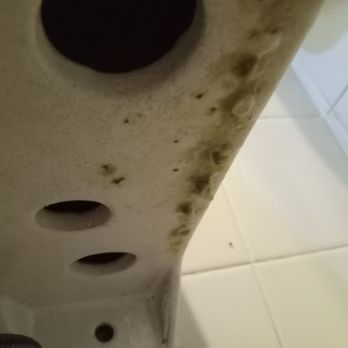
Residential Mold Inspections in South Merritt Island: What Merritt Island Property Owners Should Know
Homes in South Merritt Island enjoy beautiful surroundings, easy access to the Banana River and Indian River Lagoon, and the relaxed coastal lifestyle that draws so many families to the area. However, living near water also brings an ongoing challenge that many homeowners eventually face: indoor moisture and mold growth.
Mold problems often develop quietly. Homeowners may not realize anything is wrong until musty odors appear, stains show up on ceilings, or mold becomes visible on walls. By that point, contamination may already exist behind surfaces or in hidden areas of the home.
This is where a professional residential mold inspection becomes important. A proper inspection helps identify moisture problems and determine whether mold growth is present before the situation becomes more expensive or disruptive.
Understanding how mold inspections work and when they are needed helps South Merritt Island property owners protect both their homes and their long-term property value.
Why Mold Problems Are Common in South Merritt Island Homes
Mold spores exist everywhere in the environment. Problems occur when spores land on damp materials and begin growing. In South Merritt Island, moisture conditions make mold growth more common than in many inland communities.
Several local factors contribute.
Coastal Humidity Year-Round
Humidity levels remain high throughout most of the year, allowing moisture to linger indoors.
Frequent Storm and Rain Exposure
Heavy rains and tropical weather systems sometimes cause roof leaks or water intrusion.
High Ground Moisture Levels
Homes near waterways often experience damp soil conditions, increasing moisture around foundations and crawl spaces.
Air Conditioning Condensation
Air conditioning systems run constantly and sometimes create condensation problems around ducts or air handlers.
Older Building Construction
Some homes lack modern moisture barriers or ventilation improvements.
Because moisture is difficult to avoid in coastal Florida, mold inspections often reveal hidden issues homeowners were unaware of.
What a Residential Mold Inspection Actually Is
A mold inspection is not simply someone looking for visible mold. A proper inspection evaluates the entire home to determine:
• Whether mold growth is present
• Where moisture is entering or accumulating
• Whether mold contamination is spreading
• What corrective steps may be needed
The goal is to identify both mold and the moisture source allowing it to grow.
Inspections are especially useful when homeowners suspect hidden moisture problems or recurring mold.
When Homeowners Should Schedule a Mold Inspection
Not every home needs routine inspection, but certain situations make inspections highly recommended.
After Water Damage or Leaks
Roof leaks, plumbing issues, or storm intrusion can leave hidden moisture.
When Musty Odors Appear
Persistent odors often indicate hidden mold growth.
Before Buying or Selling a Home
Inspections help avoid surprises during property transactions.
When Mold Keeps Returning
Repeated mold in the same location suggests moisture problems.
After Storm or Hurricane Events
Storm damage sometimes allows water intrusion that goes unnoticed.
In Homes Left Vacant
Vacation or seasonal homes sometimes develop humidity issues while unoccupied.
Early inspections often prevent larger remediation projects later.
Areas Inspectors Check in South Merritt Island Homes
Mold often develops in hidden spaces rather than visible living areas.
Attics
Poor ventilation or roof leaks frequently lead to mold growth on roof decking or insulation.
Crawl Spaces
Ground moisture sometimes creates damp conditions beneath homes.
Behind Walls
Plumbing leaks or storm intrusion allow mold growth inside wall cavities.
Under Flooring
Moisture trapped beneath flooring materials leads to hidden contamination.
HVAC Systems
Condensation around air handlers or inside ducts can spread spores.
Closets and Storage Areas
Limited airflow allows humidity to build up.
These hidden spaces often contain mold before homeowners see visible signs.
Tools Used During Professional Mold Inspections
Professional inspections rely on more than visual observation.
Moisture Meters
These tools measure moisture levels inside walls and building materials.
Infrared Cameras
Thermal imaging helps locate hidden damp areas behind surfaces.
Air Sampling (when necessary)
Air samples may be collected to measure mold spore levels indoors.
Surface Sampling (when necessary)
Samples confirm contamination on surfaces.
Visual and Structural Evaluation
Inspectors evaluate building areas where moisture commonly enters.
These tools help inspectors detect moisture homeowners cannot see.
Signs Mold May Already Be Present
Homeowners sometimes overlook early warning signs of mold growth.
Common signs include:
• Musty odors inside certain rooms
• Ceiling or wall stains
• Paint bubbling or peeling
• Damp or humid indoor air
• Mold around vents or windows
• Warped flooring or baseboards
If these signs appear, inspection helps determine how far mold has spread.
Why Mold Often Goes Undetected in Homes
Mold problems sometimes develop without obvious warning signs.
Common reasons include:
• Mold hidden behind walls
• Moisture trapped under flooring
• Attic leaks going unnoticed
• Crawl space moisture remaining unseen
• HVAC condensation spreading spores
By the time mold becomes visible, contamination may already be widespread.
Why DIY Mold Inspection Often Misses Problems
Homeowners sometimes try to inspect mold themselves but miss hidden issues.
Common challenges include:
• Lack of moisture detection tools
• Hidden mold behind materials
• Misidentifying moisture sources
• Incomplete inspection areas
• Overlooking ventilation problems
Professional inspections help locate problems homeowners cannot see.
What Happens If Mold Is Found
If mold contamination is discovered, remediation may be recommended depending on severity.
Typical remediation steps include:
Containment Setup
Preventing spores from spreading during cleanup.
Removal of Damaged Materials
Contaminated drywall or insulation may need replacement.
Cleaning and Surface Treatment
Remaining materials are professionally cleaned.
Moisture Source Correction
Leaks or humidity problems are corrected.
Prevention Improvements
Ventilation or moisture control upgrades help prevent recurrence.
Correcting moisture sources is essential for long-term solutions.
How Mold Inspections Help Protect Property Value
Homes in South Merritt Island often represent significant investments. Undetected mold can lead to larger repairs later and may complicate home sales.
Regular inspections help:
• Identify moisture early
• Prevent structural damage
• Avoid recurring mold problems
• Protect resale value
• Maintain healthier indoor environments
Early detection saves money over time.
Professionals familiar with coastal homes, such as Mold Removal Merritt Island, often identify recurring moisture problems quickly because they understand how local humidity affects homes.
How Homeowners Can Reduce Mold Risk
Routine maintenance helps reduce mold problems.
Maintain Roofs and Gutters
Repair leaks early.
Service Air Conditioning Systems
Prevent condensation and airflow issues.
Monitor Indoor Humidity
Keep humidity below 55% when possible.
Address Plumbing Leaks Quickly
Small leaks can create major problems.
Inspect Attics and Crawl Spaces
Hidden moisture often appears first in these areas.
Check Homes After Storms
Look for leaks after heavy rain.
Regular inspections help prevent future problems.
Why Local Experience Matters in South Merritt Island
Homes in South Merritt Island face moisture challenges not common inland.
Professionals familiar with local homes understand:
• Coastal humidity patterns
• Storm-related moisture risks
• Typical building construction styles
• Common moisture entry points
• Frequent mold growth locations
Local experience allows faster problem identification and effective solutions.
Protecting Your Home Through Mold Inspection
Mold problems rarely appear suddenly. Most develop slowly as moisture accumulates in hidden areas of the home. Residential mold inspections help identify these issues early before they become expensive repairs.
Homeowners who schedule inspections after storms, leaks, or recurring moisture problems usually avoid large remediation projects later. When needed, experienced local professionals like Mold Removal Merritt Island can help identify contamination and guide proper corrective steps so mold does not return.
