
Tenant Mold Rights in Banana River: What Merritt Island Property Owners Should Know
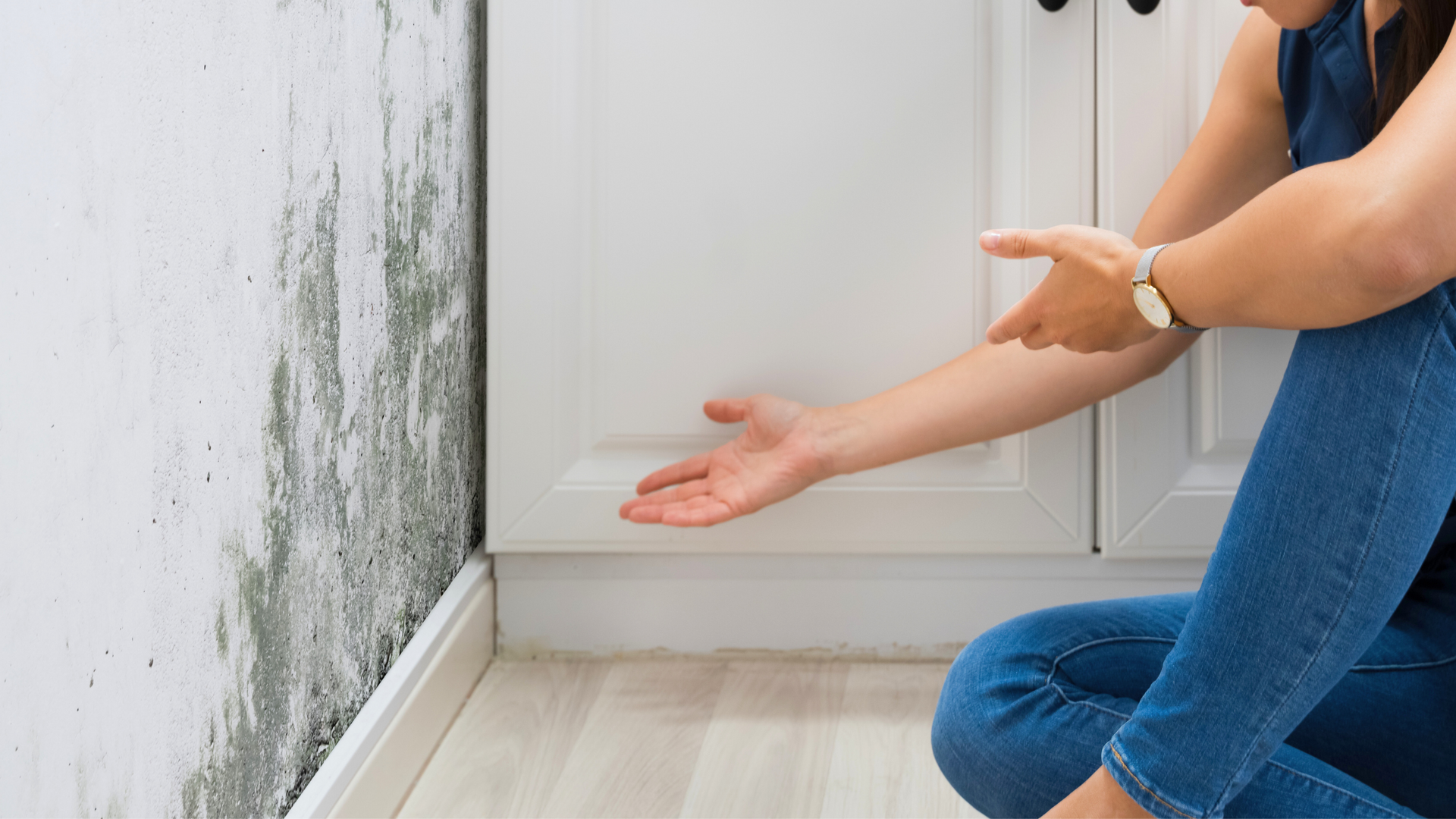
Rental properties near the Banana River come with incredible views—and heightened mold risk. High humidity, salt air, and frequent storms mean mold issues are more common here than in many other parts of Brevard County. When mold shows up in a rental, tenant rights and landlord responsibilities immediately come into play, and misunderstandings can quickly escalate into disputes, complaints, or legal exposure.
For Merritt Island property owners, understanding tenant mold rights in Banana River is essential. Knowing what tenants are entitled to, how quickly you must respond, and how to properly handle mold complaints protects tenant health and your investment.
This guide breaks it all down clearly and practically.
🌴 Why Mold Disputes Are Common in Banana River Rentals
Banana River rentals face environmental conditions that make mold harder to avoid—and harder to ignore.
Key risk factors include:
- Constant coastal humidity
- Salt air slowing drying and degrading seals
- High water tables
- Storm-driven rain intrusion
- Vacant units with AC turned off
- Shared plumbing and older construction
Because mold can develop without flooding or obvious leaks, tenants may notice symptoms or odors before visible mold appears—triggering rights-related concerns early.
⚖️ What Mold-Related Rights Tenants Have
While Florida does not have a single “mold law,” tenants are protected under habitability requirements. In practice, this means tenants have the right to a rental unit that is:
- Safe and sanitary
- Free from unresolved moisture problems
- Maintained in livable condition
- Not harmful to health
If mold is linked to property-related moisture (plumbing, roof, HVAC, structure, or storm intrusion), tenants have the right to expect the landlord to investigate and correct the issue.
🦠 When Mold Becomes a Tenant Rights Issue
Mold becomes a tenant rights issue when it is tied to conditions outside the tenant’s control.
Common examples include:
- Plumbing leaks inside walls or under slabs
- Roof or exterior wall leaks
- HVAC condensation or drainage failures
- Poor ventilation in bathrooms or kitchens
- Moisture intrusion from storms or flooding
- Mold spreading from adjacent units
In these situations, tenants have the right to timely investigation and corrective action.
⏱️ Tenant Rights to Timely Response
Tenants are entitled to a reasonable and prompt response once mold or moisture is reported.
Best-practice expectations include:
- Acknowledging the complaint quickly
- Inspecting within 24–72 hours
- Taking steps to stop the moisture source
- Scheduling repairs or professional assessment
- Communicating clearly about next steps
Ignoring or delaying responses is one of the most common reasons disputes escalate.
👤 Tenant Responsibilities (and Their Limits)
Tenants do have responsibilities—but these are often misunderstood.
Tenants are generally expected to:
- Report leaks or moisture promptly
- Use exhaust fans when provided
- Maintain reasonable cleanliness
- Avoid disabling ventilation or AC
However, even if tenant behavior contributed, landlords must still address active mold or moisture conditions to maintain habitability. Responsibility disputes do not remove the duty to act.
🔍 Warning Signs Tenants Are Entitled to Report
Tenants do not need to prove mold scientifically to raise concerns.
Valid tenant-reported warning signs include:
- Persistent musty odors
- Visible mold on walls, ceilings, or baseboards
- Bubbling or peeling paint
- Water stains
- Warped flooring or cabinets
- Health symptoms that worsen indoors
These signs obligate the landlord to investigate, not dismiss.
🧪 Mold vs. Moisture Complaints
Many tenant complaints begin as moisture issues rather than visible mold.
| Tenant Reports | What It Means |
|---|---|
| Musty smell | Hidden mold likely |
| Damp walls | Moisture intrusion |
| Repeating stains | Ongoing leak |
| Mold keeps returning | Source not fixed |
Tenants have the right to have the moisture source addressed, not just the visible result.
🧽 Why Surface Cleaning Does NOT Satisfy Tenant Rights
From a tenant rights perspective, cosmetic fixes are not enough.
Surface-only cleaning fails because:
- Mold often grows behind walls or floors
- Bleach does not stop moisture
- Mold returns quickly
- Documentation shows unresolved conditions
Tenants may still pursue remedies if mold reappears after superficial cleanup.
🛑 When Tenants Can Escalate Mold Issues
If a landlord fails to respond appropriately, tenants may:
- File formal written notices
- Contact local code enforcement
- Request inspections
- Seek legal advice
- Withhold rent (only under specific procedures)
- Break leases in extreme cases
Proper documentation and timely response help property owners avoid these outcomes.
🌊 Why Banana River Rentals Are Scrutinized More Closely
Banana River properties face higher mold expectations due to location.
Factors include:
- Waterfront humidity exposure
- Salt air material breakdown
- Storm surge and wind-driven rain
- Slab foundations trapping moisture
Because mold risk is known to be higher, failure to address issues promptly can be viewed more critically.
🛠️ Best Practices for Property Owners to Respect Tenant Rights
Smart property owners focus on prevention, response, and documentation.
Effective strategies include:
- Keeping indoor humidity below 55%
- Maintaining HVAC and drainage systems
- Responding quickly to tenant reports
- Inspecting after storms and heavy rain
- Documenting all communications and repairs
- Using professionals when mold persists
These steps protect both tenant health and landlord liability.
📉 How Tenant Mold Disputes Affect Property Value
Unresolved tenant mold issues can:
- Increase tenant turnover
- Lead to complaints or enforcement actions
- Delay refinancing or sales
- Raise insurance concerns
- Damage long-term rental reputation
In waterfront areas like Banana River, mold disputes can significantly impact asset performance.
✅ Final Takeaway for Merritt Island Property Owners
Tenant mold rights in Banana River are rooted in one core principle:
Rental properties must remain safe and livable.
To protect yourself as a property owner:
✔ Take tenant mold complaints seriously
✔ Respond quickly and document everything
✔ Address moisture—not just visible mold
✔ Avoid cosmetic-only fixes
✔ Use professionals when mold persists
Early, responsible action prevents disputes, protects tenants, and preserves the value of your Merritt Island rental property.
