
Mold in Rental Properties in South Merritt Island: What Merritt Island Property Owners Should Know
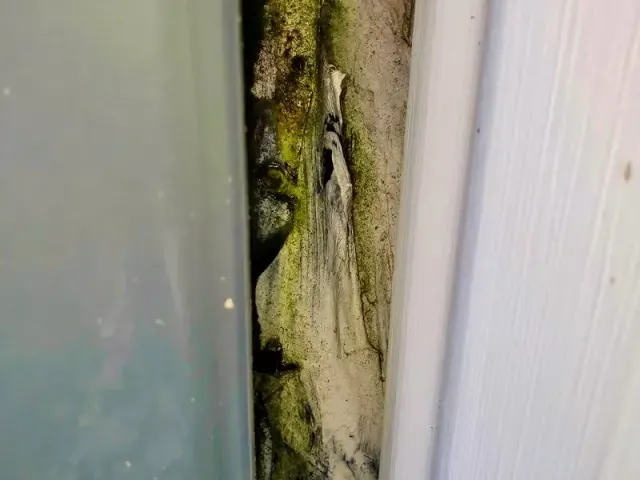
Owning rental property in South Merritt Island can be a strong investment—but mold is one of the fastest ways that investment can turn into a liability. Between tenant turnover, shared responsibility for maintenance, coastal humidity, and delayed reporting of leaks, mold problems in rentals often grow quietly until they become expensive, disruptive, and legally complicated.
In South Merritt Island’s humid coastal climate, mold in rental properties is rarely a one-time issue. It’s often systemic, recurring, and tied to moisture management, not just tenant behavior. Understanding how mold forms in rentals, where it typically hides, and how to prevent and respond to it protects your property, your tenants, and your long-term value.
This guide explains exactly what Merritt Island property owners should know about mold in rental properties—and how to stay ahead of it.
🌴 Why Rental Properties in South Merritt Island Are Especially Vulnerable
Rental homes face unique risks that owner-occupied properties often don’t.
Common rental-specific mold drivers include:
- High tenant turnover with inconsistent habits
- Delayed reporting of leaks or moisture
- Shared responsibility confusion
- Vacancy periods with AC turned off
- High coastal humidity year-round
- Storm-related water intrusion
- Wear and tear on plumbing, seals, and HVAC
In South Merritt Island, humidity alone can cause mold—even without leaks—especially if properties sit vacant without proper climate control.
🦠 How Fast Mold Can Grow in Rental Homes
Mold doesn’t wait for lease renewals or maintenance schedules.
- Moisture builds up from humidity or small leaks
- Drywall, cabinets, and flooring absorb moisture
- Limited airflow slows drying
- Mold can begin growing within 24–48 hours
- Growth spreads during vacancies or unreported issues
By the time a tenant complains, mold may already be well established.
🧰 Common Mold Hotspots in Rental Properties
Mold in rentals often appears in predictable—but hidden—places.
🚿 Bathrooms
- Behind tubs and showers
- Around exhaust fan ducts
- Under vanities
🍽️ Kitchens
- Under sinks
- Behind dishwashers
- Near refrigerator water lines
🧱 Behind Walls & Baseboards
- Plumbing walls
- Exterior walls
- Lower walls near slabs
🌬️ HVAC Systems & Ducts
- Condensation buildup
- Poor humidity control
- Mold spreading through airflow
🪵 Under Flooring
- Slab moisture
- Past spills or leaks
- Mold under tile, vinyl, or laminate
If mold appears repeatedly in the same unit, the moisture source is often structural—not tenant-related.
⚠️ Health & Liability Risks for Property Owners
Mold in rental properties isn’t just a maintenance issue—it’s a liability risk.
Potential consequences include:
- Tenant health complaints
- Lease disputes or early move-outs
- Required remediation under habitability laws
- Insurance complications
- Legal exposure if issues are ignored
In Florida, failure to address mold-related moisture issues promptly can quickly escalate into a serious legal problem.
🔍 Warning Signs Mold May Be Present
Property owners often miss early signs because tenants don’t always report them immediately.
Visual & Physical Clues
- Bubbling or peeling paint
- Warped baseboards or cabinets
- Stains on ceilings or walls
- Mold returning after cleaning
Smell
- Persistent musty odors
- Odors strongest after AC runs
Other Red Flags
- Indoor humidity consistently above 55%
- Complaints during or after storms
- Mold found during tenant turnover
If a unit smells musty even when clean, hidden mold is often present.
🧪 Tenant Behavior vs. Structural Moisture
Not all mold issues are caused by tenants—and assuming so can be costly.
| Tenant-Related | Property-Related |
|---|---|
| Not using exhaust fans | Poor ventilation |
| Overcrowding | Undersized HVAC |
| Turning off AC | Coastal humidity |
| Minor spills | Slab or wall moisture |
Most recurring mold problems in South Merritt Island rentals are environmental or structural, not behavioral.
🧽 Why Surface Cleaning Isn’t Enough
Many landlords attempt quick fixes between tenants—but this often backfires.
Surface cleaning fails because:
- Mold is hidden behind walls or floors
- Bleach doesn’t penetrate drywall or wood
- Moisture sources remain active
- HVAC systems redistribute spores
- Mold returns during the next humid cycle
Temporary fixes can lead to bigger problems later—especially during inspections or disputes.
🛑 When Professional Mold Help Is Necessary
Professional assessment is strongly recommended if:
- Mold keeps returning
- Units smell musty after cleaning
- Flooring or cabinets are damaged
- Multiple units are affected
- Tenants report health symptoms
- Storm or water intrusion occurred
Professionals can determine whether the issue is unit-specific or building-wide, which is critical for proper remediation and documentation.
🌊 Why South Merritt Island Rentals Face Higher Mold Risk
Rental properties in South Merritt Island face environmental pressure from:
- Coastal humidity day and night
- Salt air degrading seals and materials
- Frequent storms and heavy rain
- Slab foundations trapping moisture
- Long cooling seasons
Vacant units are especially vulnerable if climate control isn’t maintained.
🛠️ Best Practices for Preventing Mold in Rental Properties
Proactive management prevents costly mold issues.
Smart prevention strategies include:
- Maintain indoor humidity below 55%
- Require AC to remain on during vacancies
- Inspect plumbing and HVAC regularly
- Address leaks immediately
- Seal flooring and grout lines
- Use moisture-resistant materials during renovations
- Document inspections and repairs
- Educate tenants on early reporting
Preventive maintenance is far cheaper than remediation.
📉 How Mold Affects Rental Property Value
Mold can significantly impact rental performance and resale value.
Potential impacts include:
- Increased tenant turnover
- Longer vacancy periods
- Failed inspections
- Required remediation before sale
- Lower appraisal values
In rental properties, unresolved mold can quickly reduce profitability.
✅ Final Takeaway for Merritt Island Property Owners
Mold in rental properties in South Merritt Island is common—but it’s also preventable with the right approach.
If you own or manage rentals:
✔ Treat humidity as a constant risk
✔ Investigate musty odors immediately
✔ Avoid quick cosmetic fixes
✔ Maintain climate control—even when vacant
✔ Use professionals when mold persists
Early action protects your tenants, limits liability, and preserves long-term property value.
