
Mold in Condos in Merritt Island: What Merritt Island Property Owners Should Know
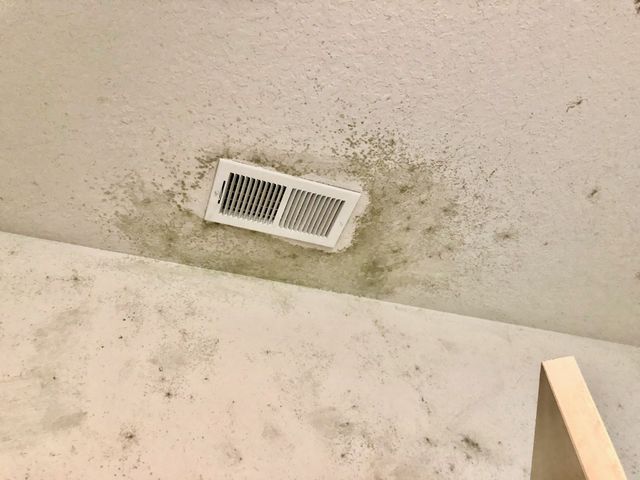
Condo living in Merritt Island offers convenience, waterfront views, and low exterior maintenance—but it also comes with unique mold risks many owners don’t anticipate. Shared walls, stacked plumbing, central HVAC systems, and association-controlled maintenance can allow moisture problems to spread quietly from one unit to another. By the time mold is discovered, it’s often already beyond a single condo.
In Merritt Island’s humid, coastal climate, mold in condos is usually systemic, not isolated. Understanding how mold forms in condo buildings, where it hides, and who’s responsible for what is critical for protecting your health, your investment, and your resale value.
This guide explains exactly what Merritt Island condo owners should know about mold—and how to respond the right way.
🌴 Why Mold Is So Common in Merritt Island Condos
Condos concentrate moisture risks in ways single-family homes don’t.
Common condo-specific mold causes include:
- Shared plumbing lines between units
- Water intrusion from neighboring condos
- Roof or exterior wall leaks affecting multiple floors
- Poor ventilation in interior units
- Central HVAC systems spreading moisture
- High coastal humidity
- Delayed repairs due to HOA processes
Because moisture can originate outside your unit, mold may appear even when your plumbing seems fine.
🦠 How Fast Mold Can Develop in Condo Units
In Merritt Island condos, mold doesn’t need a major flood to start.
- Moisture migrates through walls and ceilings
- Drywall and insulation absorb humidity
- Limited airflow slows drying
- Mold can begin growing within 24–48 hours
- Growth spreads into adjacent units
Because condos share structures, mold can move vertically and horizontally through the building.
🧰 Common Mold Hotspots in Condos
Mold in condos often appears in predictable—but hidden—locations.
🚿 Bathrooms
- Behind showers and tubs
- Around exhaust fan ducts
- Beneath vanities
🍽️ Kitchens
- Behind sinks and dishwashers
- Inside shared plumbing walls
🧱 Shared Walls & Ceilings
- Between neighboring units
- Below upper-floor bathrooms or laundry rooms
- Near exterior walls
🌬️ HVAC & Ductwork
- Condensation in air handlers
- Shared duct systems spreading spores
🪵 Under Flooring
- Slab moisture or leaks from other units
- Mold beneath tile, laminate, or vinyl
If mold appears in unusual or repeating areas, it often originates outside your unit.
⚠️ Health Risks of Mold in Condo Buildings
Condo mold exposure can be persistent because the source may not be fully resolved.
Common health effects include:
- Chronic coughing or sneezing
- Sinus congestion and headaches
- Eye, skin, and throat irritation
- Worsening asthma or allergy symptoms
- Fatigue and breathing discomfort
Because shared systems circulate air and moisture, symptoms may continue until the building-wide issue is addressed.
🔍 Warning Signs Mold May Be Present
Condo owners often notice indirect signs before seeing visible mold.
Visual & Physical Clues
- Bubbling or peeling paint
- Stains on ceilings or shared walls
- Warped baseboards or flooring
- Mold returning after cleaning
Smell
- Musty odors, especially after AC runs
- Odors strongest near bathrooms or closets
Other Red Flags
- Moisture without a visible leak
- Mold appearing in multiple rooms
- Neighboring units reporting similar issues
If mold keeps returning, the source may be structural or shared.
🧪 Mold vs. Moisture: Why Condos Are Different
In condos, moisture often travels beyond unit boundaries.
| Moisture Source | Mold Risk |
|---|---|
| Neighboring unit leaks | Spreads through walls |
| Roof or exterior leaks | Affects stacked units |
| Shared HVAC systems | Circulates spores |
| High humidity | Building-wide growth |
That’s why condo mold issues often require coordination with the association.
🧽 Why DIY Mold Cleanup Often Fails in Condos
Surface cleaning may remove visible mold—but not the source.
DIY efforts often fail because:
- Moisture originates outside the unit
- Mold is inside shared walls or ceilings
- Bleach doesn’t penetrate drywall
- HVAC systems redistribute spores
- Repairs depend on HOA action
Without addressing the underlying moisture source, mold usually returns.
🛑 When Professional Mold Help Is Necessary
Professional assessment is strongly recommended if:
- Mold keeps coming back
- Stains appear on ceilings or shared walls
- Odors persist despite cleaning
- Multiple units are affected
- Health symptoms worsen indoors
Professionals can identify whether the source is unit-specific or building-related, which is critical for proper resolution.
🏢 Understanding HOA vs. Owner Responsibility
Responsibility for mold-related repairs often depends on the condo documents.
Typically:
- Owners handle interior finishes and contents
- HOAs handle roofs, exterior walls, shared plumbing, and structural components
However, documentation and proper reporting are essential. Delays can worsen damage and complicate insurance or liability issues.
🌊 Why Merritt Island Condos Face Higher Mold Risk
Condos in Merritt Island face unique environmental pressures:
- Coastal humidity year-round
- Salt air accelerating material breakdown
- Waterfront locations
- Flat roofs and stacked construction
- Limited natural ventilation
Even well-maintained buildings can develop mold without aggressive moisture control.
🛠️ Long-Term Mold Prevention Tips for Condo Owners
While you can’t control everything, you can reduce risk.
Effective prevention steps include:
- Maintain indoor humidity below 55%
- Use dehumidifiers in vulnerable rooms
- Run bathroom fans during and after showers
- Report leaks immediately—even if minor
- Document moisture issues in writing
- Inspect walls, ceilings, and baseboards regularly
- Coordinate with HOA on building maintenance
Early reporting often prevents bigger problems.
📉 How Mold Impacts Condo Value
Mold can significantly affect condo resale and financing.
Potential impacts include:
- Failed inspections
- Required remediation before closing
- Buyer concerns about shared moisture issues
- Insurance complications
- Reduced property value
In condos, unresolved mold issues can affect entire buildings, not just individual units.
✅ Final Takeaway for Merritt Island Condo Owners
Mold in Merritt Island condos is common—but it’s rarely simple.
If you suspect mold:
✔ Take musty odors seriously
✔ Don’t rely on surface cleaning
✔ Document and report issues early
✔ Understand HOA responsibilities
✔ Seek professional assessment when mold persists
Early action protects your health, your investment, and your ability to sell or rent your condo.
