
Mold in Attics in Sykes Creek: What Merritt Island Property Owners Should Know
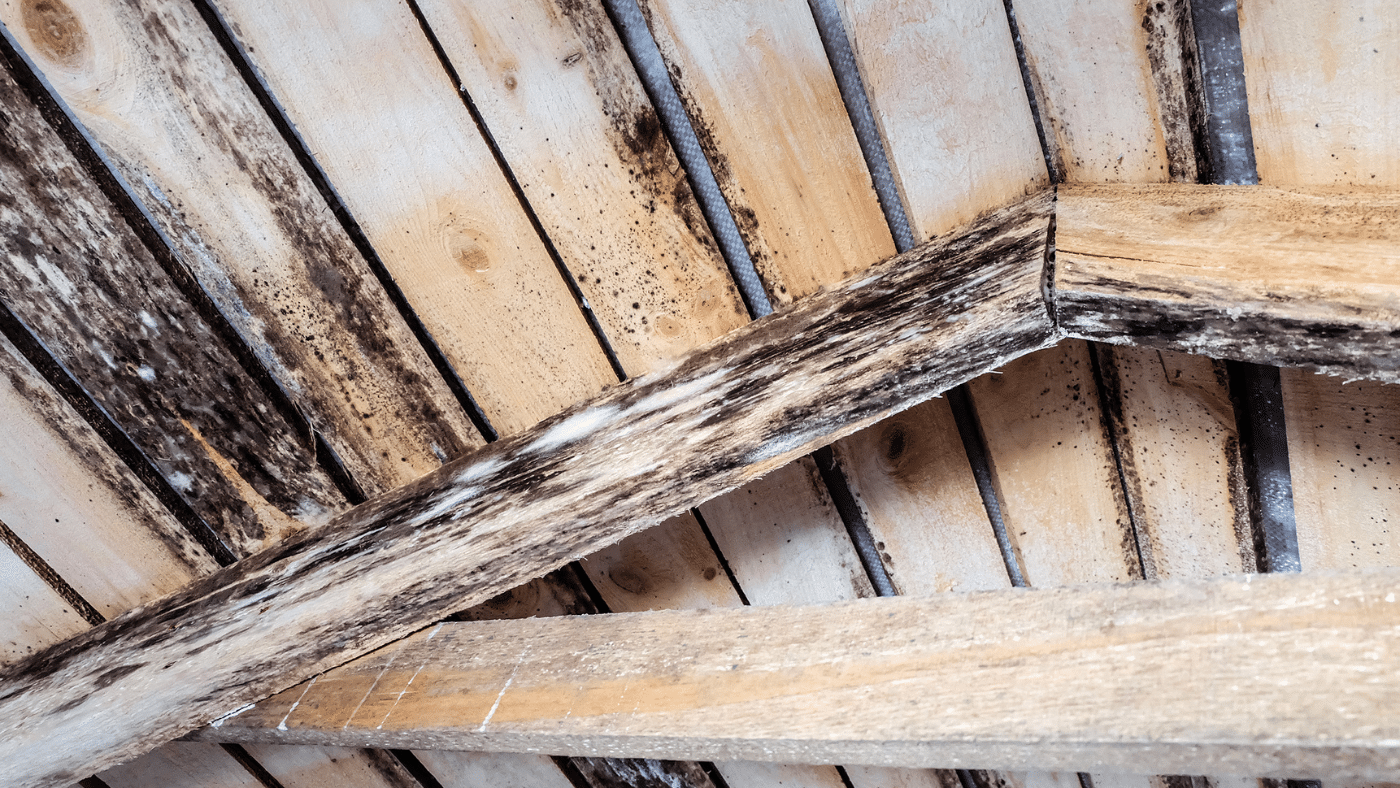
Attics are one of the most misunderstood and ignored mold problem areas in homes around Sykes Creek and Merritt Island. Because attics are out of sight, mold can grow for months—or even years—before property owners realize there’s an issue. By the time it’s discovered, the damage is often extensive and expensive.
In Sykes Creek, where warm temperatures, high humidity, coastal air, and frequent storms collide, attic mold is a common problem. Understanding why it forms, how to recognize it early, and what to do about it can save your home’s structure, indoor air quality, and resale value.
This guide explains exactly what Merritt Island property owners should know about mold in attics—and why ignoring it is never a good idea.
🌬️ Why Attics in Sykes Creek Are So Vulnerable to Mold
Unlike living spaces, attics experience extreme temperature and moisture swings. In Florida’s climate, that’s a recipe for mold.
Common reasons attic mold develops include:
- Poor attic ventilation
- Bathroom or kitchen exhaust fans venting into the attic
- Roof leaks after storms or hurricanes
- Condensation forming on roof decking
- High outdoor humidity entering through soffits
- Improper insulation or air leaks from the home below
When warm, moist air meets cooler attic surfaces, condensation forms—and mold quickly follows.
🦠 How Fast Attic Mold Can Develop
Many homeowners assume mold takes years to form in attics. In reality:
- Moisture buildup can begin immediately
- Condensation forms overnight
- Mold can begin growing within 24–48 hours
- Colonies can spread across roof decking and trusses silently
Because attics aren’t regularly inspected, mold often spreads unchecked until it becomes severe.
🪵 Common Attic Mold Hotspots
Attic mold rarely grows evenly. Instead, it targets specific areas where moisture collects.
🔺 Roof Decking
- Plywood or OSB sheathing
- Nail heads and fasteners
- Shaded roof sections
🪜 Trusses & Framing
- Wood beams and rafters
- Areas near roof penetrations
🌫️ Insulation
- On top of insulation
- Beneath compressed or wet insulation
- Around attic access points
🚿 Ventilation Paths
- Bathroom fan ducts
- Kitchen exhaust lines
- Dryer vents improperly routed
If moisture is entering the attic, mold is likely forming somewhere nearby.
⚠️ Why Attic Mold Is a Serious Problem
Attic mold doesn’t stay in the attic forever. It can affect the entire home.
Potential risks include:
- Spores entering living spaces through air leaks
- Poor indoor air quality
- Respiratory irritation and allergy symptoms
- Wood deterioration and structural weakening
- Reduced insulation effectiveness
- Lower home value and inspection issues
Many Merritt Island homeowners discover attic mold only when selling or after health symptoms appear.
🔍 Warning Signs of Attic Mold
You don’t always need to see attic mold to know it’s there.
Signs inside the home may include:
- Musty odors, especially upstairs
- Allergy symptoms that worsen indoors
- Uneven temperatures between rooms
- High indoor humidity levels
Signs inside the attic include:
- Black, green, or gray staining on wood
- Fuzzy or powdery growth on roof decking
- Damp insulation
- Rusted nails or fasteners
If you notice odors but don’t see mold in living spaces, the attic is often the source.
🧪 Mold vs. Dirt or Staining in Attics
Not all attic discoloration is mold—but it’s risky to assume.
| Dust / Staining | Mold |
|---|---|
| Dry and powdery | May appear fuzzy or smeared |
| No odor | Musty smell often present |
| Cosmetic | Indicates active moisture |
| Doesn’t spread | Spreads across surfaces |
A proper inspection is the only reliable way to confirm mold.
🧽 Why DIY Attic Mold Cleaning Is Risky
Attic mold is one of the worst types to tackle without training.
DIY attic cleaning often fails because:
- Mold spores spread easily when disturbed
- Bleach doesn’t penetrate wood
- Moisture source remains untreated
- Improper safety gear exposes homeowners
In many cases, homeowners unknowingly make attic mold worse by spreading spores throughout the house.
🛑 When Professional Mold Remediation Is Necessary
Professional help is strongly recommended if:
- Mold is visible on roof decking or trusses
- Large areas are affected
- Roof leaks or condensation issues exist
- Mold returns after cleaning
- You’re preparing to sell your home
Professionals address both the mold and the moisture problem, which is essential for long-term results.
🌴 Why Sykes Creek Homes Face Higher Attic Mold Risk
Homes near Sykes Creek experience unique environmental challenges:
- High coastal humidity
- Warm temperatures year-round
- Salt air accelerating material breakdown
- Frequent summer storms and hurricanes
- Older homes with outdated ventilation systems
Even newer homes can develop attic mold if airflow and insulation aren’t properly balanced.
🛠️ Long-Term Attic Mold Prevention Tips
Preventing attic mold requires improving airflow and controlling moisture.
Effective prevention strategies include:
- Ensuring proper soffit and ridge ventilation
- Venting bathrooms and kitchens outdoors—not into the attic
- Sealing air leaks from living spaces
- Maintaining proper insulation levels
- Inspecting attics annually and after major storms
- Addressing roof leaks immediately
Moisture control—not cleaning—is the key to prevention.
📉 How Attic Mold Affects Home Value
Attic mold can derail real estate transactions.
Potential impacts include:
- Failed home inspections
- Required remediation before closing
- Lower appraisal values
- Buyer hesitation or canceled contracts
Attic mold is often considered a red flag during property sales.
✅ Final Takeaway for Merritt Island Property Owners
Attic mold in Sykes Creek is common—but never harmless.
If your home shows warning signs:
✔ Don’t ignore musty odors
✔ Inspect attics regularly
✔ Address ventilation and moisture issues
✔ Avoid risky DIY cleaning
✔ Seek professional help when mold is present
Catching attic mold early protects your home’s structure, indoor air quality, and long-term value.
