
Mold After Flooding in Brevard County: What Merritt Island Property Owners Should Know
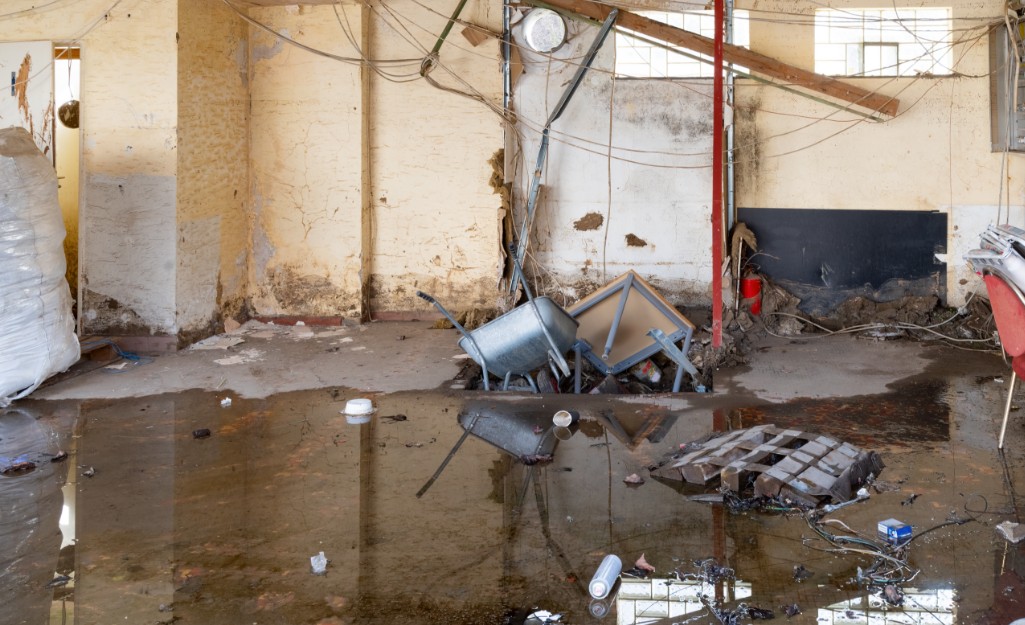
Flooding in Merritt Island and greater Brevard County isn’t just about soggy floors and ruined belongings. Once standing water recedes, a hidden threat emerges — mold. With our humid coastal climate, mold can begin growing on wet surfaces in as little as 24–48 hours, which makes understanding what to do immediately after a flood essential for protecting your home, health, and investment.
This guide breaks down what Merritt Island property owners must know about mold after flooding — including how it forms, the risks, how to identify it early, and what to do next.
🧠 Why Flooding Leads to Mold Growth
Floodwater saturates porous materials like drywall, insulation, wood framing, carpet padding, and more. Even after visible water is gone, moisture remains deep inside these surfaces. Mold spores — which are always present in the air — latch onto that dampness and begin growing.
Here’s why mold growth accelerates after flooding:
- Warm temperatures + high humidity: Typical in Brevard County.
- Organic building materials: Drywall, wood, and insulation feed mold.
- Poor ventilation: Closed, wet spaces trap moisture.
- Time: Mold can begin colonizing in as little as 1–2 days.
Once established, mold spreads quickly and is extremely difficult — and costly — to remove without proper drying and remediation.
🦠 Health Risks of Mold in Your Home
Mold isn’t just unsightly — it can cause or worsen health problems.
Common mold-related health issues include:
- Respiratory irritation (coughing, wheezing, sore throat)
- Allergic reactions (sneezing, itchy eyes)
- Asthma flare-ups
- Skin irritation
People with allergies, asthma, compromised immune systems, children, and older adults are especially sensitive.
In severe or prolonged exposure scenarios, some molds can contribute to sinus infections or chronic respiratory conditions. That’s why early action matters.
🔎 How to Spot Mold After Flooding
Even expert eyes can miss mold hiding behind walls or under floors, but here are the telltale signs to look for:
Visual Clues
- Black, green, brown, or white patches on walls, ceilings, and floors
- Discolored drywall or paint bubbling/peeling
- Mildew on carpet or baseboards
- Warped wood and buckled floors
Smell Test
Mold often creates a musty, earthy odor — even if you can’t see spores yet.
Hidden Hotspots
Check behind:
- Wall cavities
- Under cabinets
- Beneath carpet or pad
- Behind baseboards
- Inside HVAC ducts
📏 Mold vs. Moisture Damage: What’s the Difference?
Right after flooding, you may see:
| Moisture Damage | Mold Growth |
|---|---|
| Wet materials | Fuzzy or slimy colonies |
| Staining or water rings | Distinct dark patches |
| Swollen wood | Musty smell |
Moisture is the cause; mold is the result. Removing moisture fast prevents mold.
🛠️ Step-by-Step Post-Flood Mold Prevention
Here’s what Merritt Island property owners should do — immediately after floodwaters recede:
1. Remove Standing Water Promptly
Use pumps, wet/dry vacuums, and drainage to clear all visible water.
2. Dry Everything Out
Ventilate with fans, dehumidifiers, and open windows if the outdoor humidity isn’t too high.
Drying can take 48–72+ hours depending on conditions.
3. Discard Porous Materials
Wet drywall, insulation, carpeting, and upholstered items often must be removed because mold can’t be fully cleaned from deep inside.
4. Clean Hard Surfaces
Use a bleach solution (1 cup bleach to 1 gallon of water) or commercial mold cleaners.
(Always follow safety instructions and wear protective gear.)
5. Check Behind Walls
Use moisture meters or infrared cameras (often available through contractors) to detect hidden damp spots.
6. Improve Ventilation
Dry clothes outdoors, run exhaust fans, and increase airflow if humidity levels are high.
🧰 When to Call the Pros
Some flooding situations require professional help:
✅ Extensive Flooding
If water rose above several inches or soaked structural materials.
✅ HVAC or Duct Contamination
Mold in heating/cooling systems spreads spores throughout the house.
✅ Persistent Odors or Visible Growth
Especially after DIY cleaning and drying.
A trained mold remediation specialist will:
- Contain affected areas to prevent spread
- Remove contaminated materials safely
- Dry and dehumidify with industrial equipment
- Apply mold-inhibiting treatments
🏠 Restoration Timing: Don’t Wait
Every hour matters. Left unchecked, mold:
- Weakens structural components
- Reduces indoor air quality
- Can require expensive reconstruction
Once mold firmly establishes — especially in insulation, wood framing, or behind walls — remediation costs escalate quickly. Early drying and cleanup are key to minimizing damage.
📊 Typical Timeline After Flooding
| Time After Flood | Risk/Condition |
|---|---|
| 0–24 hours | Water removal & drying should begin |
| 24–48 hours | Mold spores begin to colonize |
| 48–72 hours | Visible mold may appear |
| 3+ days | Risk of widespread mold growth increases |
🧽 Safety First: Personal Protective Gear
When cleaning mold or wet materials, always use:
- Gloves (rubber or nitrile)
- Eye protection
- N95 or higher mask
- Long sleeves and pants
Never mix bleach with ammonia or other cleaners — toxic fumes can result.
🌦️ Brevard County’s Climate: A Mold Catalyst
Merritt Island’s tropical, humid weather — combined with hurricane season and coastal flooding — makes mold prevention even more critical. Once water invades a home, drying quickly becomes a race against humidity and heat.
🏁 Bottom Line for Merritt Island Property Owners
Flooding is stressful, but mold doesn’t have to become your next crisis — if you act fast:
✔ Remove water right away
✔ Dry thoroughly within 48 hours
✔ Discard heavily contaminated materials
✔ Clean hard surfaces promptly
✔ Call professionals for extensive damage
Taking these steps protects not just your home’s structure, but your family’s health and future resale value.
