
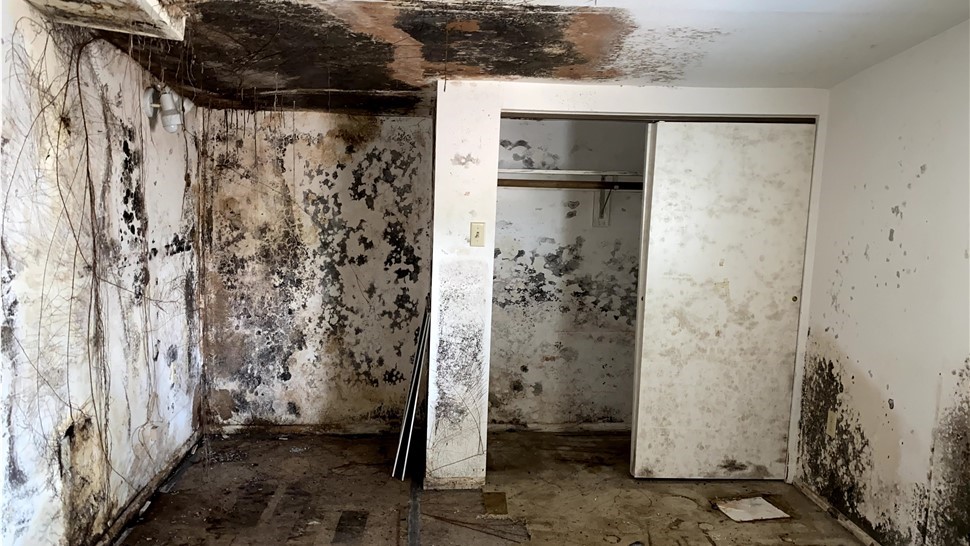
Mold After Water Damage in Brevard County: What Merritt Island Property Owners Should Know
Water damage is one of the most common triggers for mold growth in Brevard County homes. Between coastal humidity, frequent storms, high water tables, and year-round air conditioning, moisture rarely disappears on its own. When water enters a home—whether from a storm, plumbing issue, roof leak, or appliance failure—it sets the stage for mold to develop quickly if drying is incomplete.
For Merritt Island property owners, understanding how mold behaves after water damage is essential. Mold issues here are rarely about a single wet event. They are about how moisture lingers, where it gets trapped, and why drying often falls short in a coastal environment.
Why Water Damage Leads to Mold So Easily in Brevard County
Brevard County sits between the Atlantic Ocean and inland waterways, creating consistently high humidity. Even after visible water is removed, moisture remains in the air and inside building materials longer than many homeowners expect.
In Merritt Island and surrounding communities, homes often struggle to dry fully because:
- Outdoor humidity stays high day and night
- Slab foundations allow moisture vapor to rise
- Air conditioning adds condensation
- Salt air accelerates material breakdown
- Storm patterns cause repeated wetting
Because of this, water damage that might dry naturally inland often leads to mold growth here.
Mold Can Begin Before Water Damage Looks Serious
One of the biggest misunderstandings is that mold only follows major flooding. In Brevard County, mold often develops after what appears to be minor water damage.
A small roof leak, an overflowing AC drain pan, or a slow plumbing drip can introduce enough moisture to start mold growth. If water reaches drywall, insulation, flooring, or cabinetry and is not dried thoroughly, mold can begin forming within days.
By the time stains or odors appear, mold may already be established behind walls or under floors.
Common Sources of Water Damage That Lead to Mold
Water damage in coastal Florida comes from many sources, not all of them dramatic. Common causes include:
- Storm-driven rain intrusion
- Roof leaks during heavy wind
- Plumbing leaks inside walls
- AC condensate overflow
- Appliance failures
- Window and door seal failures
- Groundwater intrusion through slabs
Each of these can leave behind moisture that supports mold growth long after the initial issue seems resolved.
Why Drying Is Often Incomplete
After water damage, many homeowners focus on removing visible water and assume the problem is solved. In Brevard County, this approach often falls short.
Water soaks into porous materials like drywall, insulation, baseboards, and flooring. Even when surfaces feel dry, moisture may remain trapped inside walls or under floors. High outdoor humidity slows evaporation, and air conditioning alone may not remove enough moisture to stop mold growth.
Without targeted drying, water damage quietly turns into a mold problem.
Hidden Mold After Water Damage
Hidden mold is extremely common after water damage in Merritt Island homes. Mold often develops in places that are not immediately visible, including:
- Behind drywall
- Under flooring and baseboards
- Inside wall cavities
- Around HVAC systems
- In attics affected by roof leaks
- Inside closets near exterior walls
Because these areas are out of sight, mold can grow unchecked for weeks or months before being discovered.
Musty Odors as an Early Warning Sign
After water damage, musty or earthy odors are often the first sign that mold has begun to grow. These odors usually come from hidden areas where moisture remains trapped.
Air fresheners or cleaning products may temporarily mask the smell, but they do not address the cause. Persistent odors almost always indicate ongoing moisture and microbial growth.
Treating the odor without addressing moisture allows the problem to continue.
Why DIY Cleanup After Water Damage Often Fails
Many property owners attempt to handle water damage cleanup themselves. While removing surface water and drying visible areas is helpful, it often does not go far enough.
DIY cleanup frequently fails because:
- Moisture inside walls is not detected
- Insulation remains wet
- Flooring traps moisture underneath
- No containment is used when mold appears
- Water-based cleaning adds moisture
In Brevard County’s climate, incomplete cleanup almost guarantees mold will develop after water damage.
The Role of HVAC Systems After Water Damage
HVAC systems are closely tied to post-water-damage mold issues. Air conditioners produce condensation continuously, and when water damage affects HVAC components or nearby materials, mold can spread through air movement.
Water intrusion near air handlers, ducts, or vents often leads to mold that affects multiple rooms. Even if water damage is localized, HVAC-related moisture can distribute mold particles throughout the home.
Evaluating HVAC moisture conditions is critical after water damage.
Slab Foundations and Water Damage
Most homes in Merritt Island and across Brevard County are built on slab foundations. After heavy rain or flooding, groundwater levels rise and increase moisture pressure beneath the slab.
This moisture can migrate upward as vapor, even after surface water is removed. When combined with water damage from above, slab moisture makes drying even more difficult and increases the likelihood of mold.
Mold near baseboards and lower walls after water damage is often tied to this combined moisture effect.
Why Timing Matters After Water Damage
The sooner moisture is addressed, the lower the risk of mold. In Brevard County, delays of even a few days can make a significant difference.
Wet materials that remain damp beyond the initial drying window become prime mold growth sites. Once mold establishes itself, cleanup becomes more involved and disruptive.
Early action focuses on drying; delayed action often requires remediation.
Professional Evaluation After Water Damage
After water damage, a professional evaluation focuses on moisture behavior rather than just visible damage. This includes checking walls, floors, ceilings, HVAC systems, and attics for retained moisture.
The goal is to identify where water traveled, how long it remained, and which materials may still be affected. This approach prevents surprises later when mold appears in unexpected places.
Mold Removal Merritt Island works with local property owners to evaluate post-water-damage conditions based on real coastal moisture patterns common throughout Merritt Island and Brevard County.
Proper Response When Mold Is Found
If mold is discovered after water damage, surface cleaning is rarely sufficient. Effective response includes:
- Identifying and correcting moisture sources
- Isolating affected areas to prevent spread
- Removing or treating contaminated materials
- Thorough drying and dehumidification
- Verifying moisture levels are stable
Skipping steps or rushing the process often leads to recurring mold.
Long-Term Impact of Ignoring Mold After Water Damage
When mold after water damage is not addressed properly, long-term building damage can occur. Drywall, insulation, flooring, and framing degrade over time when exposed to moisture and mold.
This leads to higher repair costs, reduced property value, and complications during future renovations or sales. For rental properties, unresolved mold can also result in tenant complaints and vacancies.
Early, thorough response protects both the structure and long-term investment.
Preventing Mold After Water Damage
Prevention begins with recognizing that water damage in Brevard County is rarely “minor.” Practical steps include:
- Drying affected areas quickly and thoroughly
- Monitoring indoor humidity after water events
- Inspecting walls and floors for hidden moisture
- Checking HVAC systems for condensation issues
- Evaluating slab-edge areas after heavy rain
Follow-up inspections after storms or leaks are especially important in coastal areas.
Why Local Experience Makes a Difference
Water damage and mold behave differently in Brevard County than in inland regions. Coastal humidity, slab foundations, salt air exposure, and storm patterns all influence drying and mold growth.
Local experience helps identify high-risk areas quickly and apply solutions that actually work in this environment. Generic approaches often underestimate how persistent moisture can be here.
A Practical Takeaway for Property Owners
Mold after water damage in Brevard County is not unusual—it is a predictable outcome when moisture is not fully controlled. The key is recognizing that drying in a coastal environment requires more than surface cleanup.
Early evaluation, thorough drying, moisture-focused remediation, and follow-up monitoring prevent water damage from turning into a long-term mold issue. Waiting for visible mold almost always means the problem has already progressed.
For Merritt Island property owners dealing with water damage or concerned about mold afterward, professional evaluation provides clarity and direction. Mold Removal Merritt Island understands how water damage behaves in this coastal environment and helps property owners move from uncertainty to durable, moisture-aware solutions built for Brevard County conditions.
