
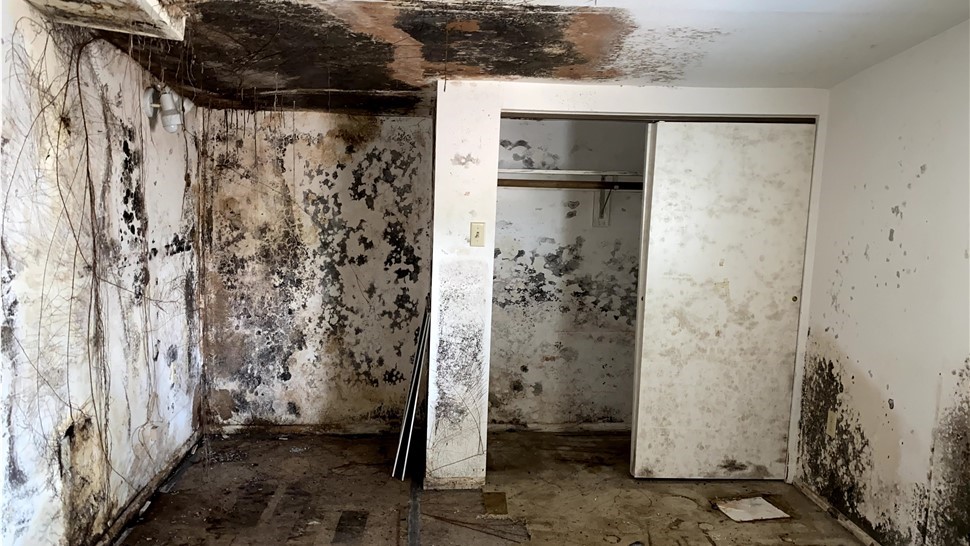
Mold Health Effects in Indian River: What Merritt Island Property Owners Should Know
Living near the Indian River is one of the reasons many people choose Merritt Island. Water views, coastal breezes, and a warm climate define the area. That same environment, however, creates persistent moisture conditions that allow mold to grow more easily inside homes. When mold is present, property owners often worry about potential health effects, especially when growth is hidden or recurring.
For Merritt Island property owners, understanding mold-related health concerns starts with understanding the environment. Mold issues near the Indian River are driven by humidity, airflow, and building design. Knowing how mold exposure typically affects indoor comfort — and why moisture control matters — helps owners respond calmly, responsibly, and effectively.
Why Mold Exposure Concerns Are Common Near the Indian River
Homes near the Indian River experience elevated humidity throughout the year. Even during dry weather, moisture remains in the air and slowly settles into walls, floors, and ceilings. This makes mold growth more likely, especially in enclosed or poorly ventilated areas.
Because mold often develops gradually and out of sight, occupants may notice changes in indoor comfort before seeing visible growth. This is usually when health-related questions arise.
In most cases, these concerns are tied to indoor air quality changes rather than a single dramatic event.
Mold and Indoor Comfort Changes
One of the most common effects associated with mold in homes is a noticeable change in indoor comfort. Musty or earthy odors, stuffy air, and a feeling of dampness are frequent complaints in Indian River properties.
These changes occur because mold thrives in moisture-rich environments. When moisture builds up, indoor air quality can feel heavier or less fresh. This doesn’t always mean mold is widespread, but it does signal that moisture is out of balance.
Addressing moisture early often improves indoor comfort significantly.
Why People React Differently to Mold
Not everyone experiences indoor mold the same way. Reactions can vary depending on sensitivity, time spent indoors, ventilation, and the extent of moisture issues.
Some occupants may notice irritation or discomfort quickly, while others may not notice anything at all. This variation is one reason mold concerns can be confusing for property owners.
What matters most from a building perspective is not diagnosing health conditions, but identifying and correcting moisture conditions that allow mold to grow.
Mold Is a Moisture Issue First
From a property standpoint, mold-related health concerns always trace back to moisture. Mold does not grow without ongoing moisture, and it does not spread effectively in dry conditions.
In Indian River homes, moisture often comes from:
- Persistent coastal humidity
- Slab foundations allowing vapor intrusion
- HVAC condensation
- Attic humidity buildup
- Poor airflow in closets and enclosed rooms
Correcting these conditions is the most effective way to improve indoor environments.
Common Areas Where Mold Affects Indoor Air
Mold-related indoor air concerns are often linked to specific parts of the home rather than the entire structure. These areas frequently include HVAC systems, attics, closets on exterior walls, bathrooms with limited ventilation, and areas near slab foundations.
When mold grows in or near air-moving systems, its presence may be noticed throughout the home even if growth is localized. This is why HVAC-related moisture issues often draw attention first.
Identifying where moisture is entering and lingering helps isolate the problem.
Musty Odors and Air Quality Concerns
Musty odors are one of the most common reasons property owners begin to worry about health effects. These odors are typically produced when mold grows in hidden areas such as behind drywall, under flooring, or inside HVAC components.
Odors do not always mean mold is extensive, but they do indicate that moisture has been present long enough for biological growth to occur.
Eliminating odors requires addressing both the mold and the moisture source, not just masking the smell.
Hidden Mold and Ongoing Exposure
Hidden mold is especially common near the Indian River due to slab foundations and high humidity. Mold behind walls or under floors can affect indoor conditions without being visible.
This type of mold often causes ongoing discomfort because the moisture condition remains active. Surface cleaning rarely helps because the source is out of sight.
Proper evaluation focuses on moisture detection rather than visible growth alone.
Why DIY Cleanup Doesn’t Resolve Health Concerns
Many homeowners attempt to clean mold themselves when health concerns arise. While surface cleaning may reduce visible staining, it often fails to address hidden growth or moisture issues.
DIY cleanup can also disturb mold and release particles into the air, temporarily worsening indoor conditions. Without containment or moisture correction, mold often returns.
This cycle leads to ongoing concerns and frustration.
The Role of HVAC Systems
HVAC systems are a major factor in mold-related indoor comfort issues. Air conditioners in Indian River homes run frequently and produce constant condensation.
If drain lines clog or insulation fails, moisture can escape into surrounding materials. Mold near air handlers, vents, or ductwork can influence air quality throughout the home.
Evaluating HVAC moisture conditions is an important step in resolving mold-related comfort concerns.
Slab Foundations and Floor-Level Moisture
Many homes near the Indian River are built on slab foundations. Ground moisture can migrate upward as vapor, increasing humidity near floors and inside walls.
This often leads to mold growth in areas that are rarely inspected, such as behind baseboards or under flooring. Because the moisture source is continuous, these areas can affect indoor conditions over time.
Understanding slab moisture behavior helps explain why issues persist.
Mold Testing and Health Concerns
Some property owners consider mold testing when health concerns arise. Testing can provide supporting information, but it does not diagnose health effects or locate moisture sources on its own.
Testing is most useful when paired with a thorough inspection that explains where moisture is present and why mold may be growing.
Without this context, test results often cause more confusion than clarity.
Why Professional Evaluation Matters
Professional mold evaluations focus on building conditions rather than health diagnosis. The goal is to understand how moisture is affecting the home and where mold is likely to be growing.
This approach helps property owners make informed decisions without unnecessary alarm. When moisture is corrected, indoor conditions usually improve.
Mold Removal Merritt Island approaches evaluations with an understanding of Indian River humidity patterns and coastal building behavior.
Long-Term Property Implications
Ignoring mold and moisture issues can lead to long-term building damage. Materials such as drywall, insulation, flooring, and framing degrade when exposed to ongoing moisture.
As building conditions worsen, indoor comfort often declines further. Addressing moisture early protects both the structure and the living environment.
For rental properties, unresolved mold concerns can also lead to tenant dissatisfaction and turnover.
Improving Indoor Conditions After Mold Issues
Improving indoor conditions starts with moisture management. Practical steps often include:
- Monitoring indoor humidity
- Maintaining HVAC drain systems
- Improving ventilation in bathrooms and closets
- Addressing attic humidity
- Inspecting slab-edge areas
- Checking the home after storms
These steps help stabilize indoor environments and reduce the likelihood of mold returning.
Why Local Experience Matters
Mold behavior near the Indian River is shaped by coastal humidity, slab foundations, salt air exposure, and storm patterns. These conditions differ from inland properties.
Local experience helps identify where moisture problems are most likely to occur and how to correct them effectively. Mold Removal Merritt Island works with property owners using strategies grounded in real Indian River conditions rather than generic advice.
A Practical Takeaway for Property Owners
Mold-related health concerns in Indian River homes are usually a signal that moisture conditions are out of balance. The focus should always be on the building environment rather than fear-driven assumptions.
By identifying moisture sources, correcting ventilation and humidity issues, and addressing mold properly, indoor conditions typically improve. Early evaluation and moisture-focused solutions prevent long-term problems.
For Merritt Island property owners near the Indian River who have concerns about mold and indoor comfort, professional evaluation provides clarity and direction. Mold Removal Merritt Island helps owners address mold at its source — moisture — using approaches designed specifically for the coastal conditions that define this area.
