
Mold in Florida Winters in Brevard County: What Merritt Island Property Owners Should Know
Many homeowners assume mold problems slow down or disappear during winter. In colder parts of the country, freezing temperatures and dry indoor air can reduce mold activity. However, Brevard County — including Merritt Island and surrounding communities — experiences very different winter conditions.
Florida winters remain relatively warm and humid compared to northern states, which means mold problems often continue through winter months. In fact, some homeowners notice mold issues for the first time during winter, especially in homes near waterways such as Sykes Creek, Banana River, and the Indian River Lagoon.
Understanding why mold still grows during Florida winters helps Merritt Island property owners prevent unexpected problems and maintain healthy indoor conditions year-round.
Why Mold Still Grows During Florida Winters
Mold needs only three things to grow:
• Moisture
• Warm temperatures
• Organic materials such as drywall or wood
Unlike colder regions, Brevard County rarely experiences freezing temperatures long enough to dry indoor air or building materials. Instead, winter conditions still allow moisture to remain inside homes.
Several local factors keep mold active.
Mild Temperatures Continue
Winter temperatures in Merritt Island often stay warm enough for mold growth, especially inside insulated homes.
Coastal Humidity Persists
Humidity levels remain elevated throughout winter, particularly in homes near rivers or lagoons.
Homes Stay Closed Up
Residents often keep windows closed and ventilation reduced during cooler months, trapping moisture indoors.
Seasonal Residents Return
Homes that sit vacant before winter residents return sometimes develop mold due to poor humidity control during vacancy.
Because moisture levels remain high, mold problems do not disappear just because the season changes.
How Winter Conditions Create Indoor Mold Problems
Although winter is milder in Florida, certain seasonal changes still increase mold risks.
Reduced Air Conditioning Use
Air conditioning systems remove moisture from indoor air. During winter, homeowners may run AC less frequently, allowing humidity to rise.
Condensation Problems
Cooler outdoor temperatures combined with warm indoor air can create condensation on windows, walls, and vents.
Homes Sitting Vacant
Vacation homes or rental properties left unattended may develop humidity buildup without proper climate control.
Holiday Travel
Residents traveling during winter sometimes adjust thermostats or shut systems down, allowing moisture to accumulate.
Even without storms or flooding, these changes can quietly allow mold growth.
Common Signs Mold Appears During Winter
Winter mold often appears gradually, making it harder to detect at first.
Property owners may notice:
• Musty odors when entering certain rooms
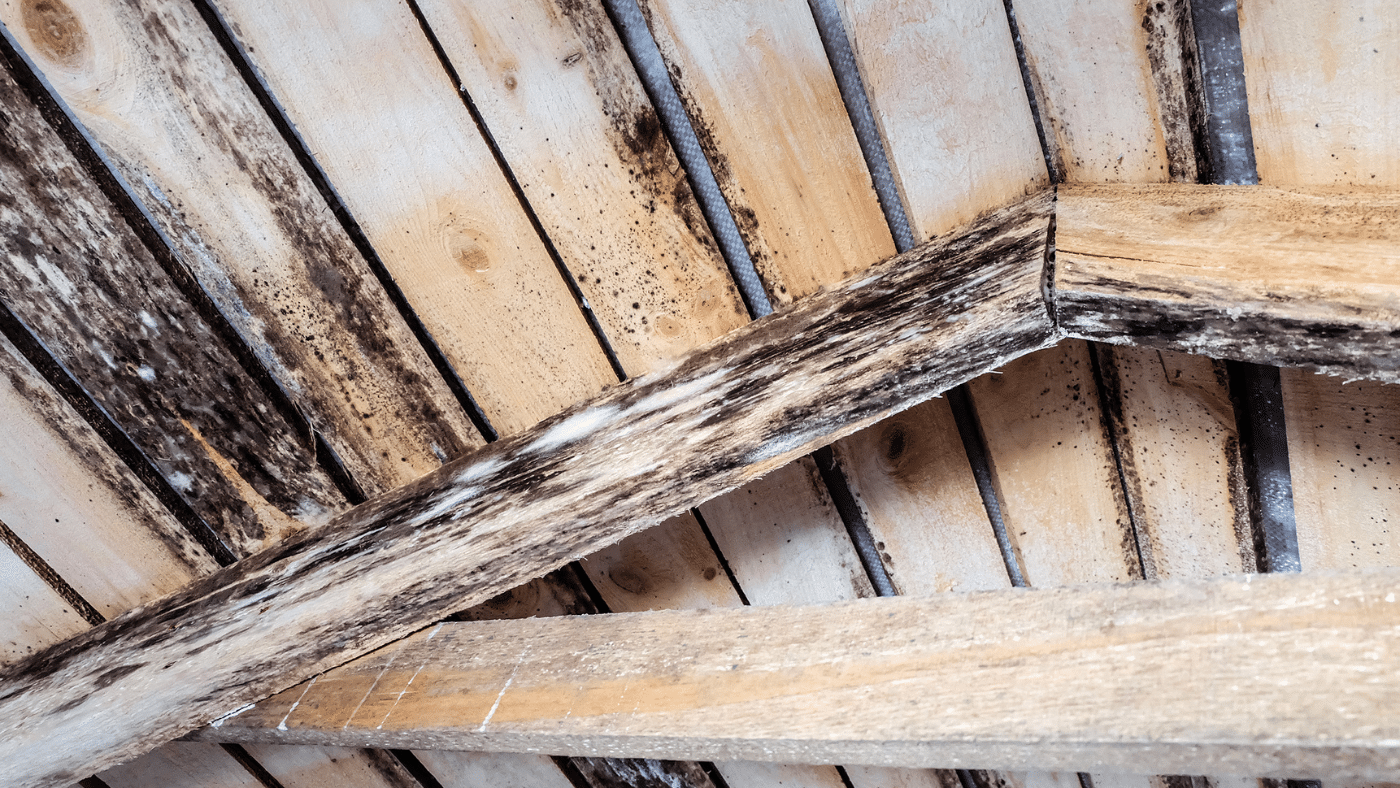
• Dark spots forming on ceilings or walls
• Condensation on windows or vents
• Paint bubbling or peeling
• Damp closets or storage areas
• Mold near air conditioning registers
• Rooms feeling humid or stale
Often, homeowners notice odors before seeing visible mold.
Areas Mold Commonly Appears in Winter
Winter mold tends to grow in areas where moisture becomes trapped.
Attics
Warm indoor air rises and condenses in cooler attic spaces, creating damp conditions.
Closets and Storage Rooms
Limited airflow allows humidity to remain trapped.
Around Windows
Condensation buildup often feeds mold growth along frames.
Bathrooms and Kitchens
Moisture from showers and cooking lingers without proper ventilation.
Crawl Spaces
Ground moisture remains present year-round beneath homes.
HVAC Systems
Condensation issues may develop if systems are not maintained.
These hidden areas often allow mold to grow unnoticed until it spreads.
Why Mold Problems Often Go Unnoticed in Winter
Because winter feels drier or cooler than summer, homeowners sometimes assume mold risk is lower.
Common reasons mold goes undetected include:
• Reduced use of air conditioning
• Homes remaining closed for longer periods
• Vacant homes left unattended
• Less attention paid to humidity control
• Mold hidden in low-traffic rooms
By the time mold becomes visible, moisture may have been present for weeks.
Why DIY Mold Cleaning Often Fails
Homeowners sometimes clean mold spots during winter, only to see them return later.
Common problems include:
• Only visible mold removed
• Hidden moisture still present
• Mold behind walls remains
• Condensation issues continue
• Mold reappears in same location
Without correcting moisture conditions, mold continues returning.
Temporary cleaning rarely solves the issue long term.
How Professional Mold Inspection Helps in Winter
Professional inspections help identify whether winter mold growth is occurring.
Typical inspections include:
Visual Assessment
Checking mold-prone areas such as attics and crawl spaces.
Moisture Detection Tools
Meters and infrared cameras locate hidden damp areas.
Air or Surface Sampling (when needed)
Testing measures mold contamination levels.
Clear Recommendations
Homeowners receive practical guidance on moisture corrections.
Professionals familiar with coastal conditions, such as Mold Removal Merritt Island, often recognize seasonal moisture patterns quickly because they understand how Brevard County homes behave during winter months.
What Proper Mold Remediation Looks Like
If mold growth has spread significantly, remediation may be required.
Typical steps include:
Containment Setup
Preventing mold spores from spreading during cleanup.
Removal of Contaminated Materials
Damaged drywall or insulation may need replacement.
Cleaning and Surface Treatment
Remaining materials are professionally cleaned.
Moisture Source Correction
Condensation or humidity issues are corrected.
Prevention Improvements
Ventilation or humidity control upgrades help prevent recurrence.
Stopping mold requires correcting moisture conditions along with removing contamination.
How Homeowners Can Prevent Winter Mold Problems
Moisture control remains the key to preventing mold during winter.
Maintain Consistent Indoor Climate Control
Do not completely shut off air conditioning when leaving home for extended periods.
Monitor Indoor Humidity
Keep humidity below 55% if possible.
Use Bathroom and Kitchen Ventilation
Exhaust fans help remove indoor moisture.
Inspect Windows for Condensation
Dry condensation and check for leaks.
Check Attics and Crawl Spaces Seasonally
Look for damp insulation or moisture buildup.
Maintain HVAC Systems
Proper airflow helps control humidity.
Routine maintenance helps prevent winter mold surprises.
Why Local Experience Matters in Brevard County
Homes throughout Brevard County face moisture conditions not common inland.
Professionals familiar with local homes understand:
• Seasonal humidity patterns
• Coastal moisture behavior
• Common construction styles
• Typical condensation problems
• Frequent mold growth areas
Local experience allows faster problem identification and effective prevention strategies.
Protecting Your Home During Florida Winters
Winter in Merritt Island may feel milder than summer, but mold problems do not disappear. Because humidity remains high and homes often experience ventilation changes, moisture can quietly build up indoors.
Homeowners who maintain humidity control, inspect hidden areas seasonally, and address moisture early usually avoid serious mold issues. When needed, experienced local professionals like Mold Removal Merritt Island can help identify winter moisture problems and guide proper corrective steps.
