
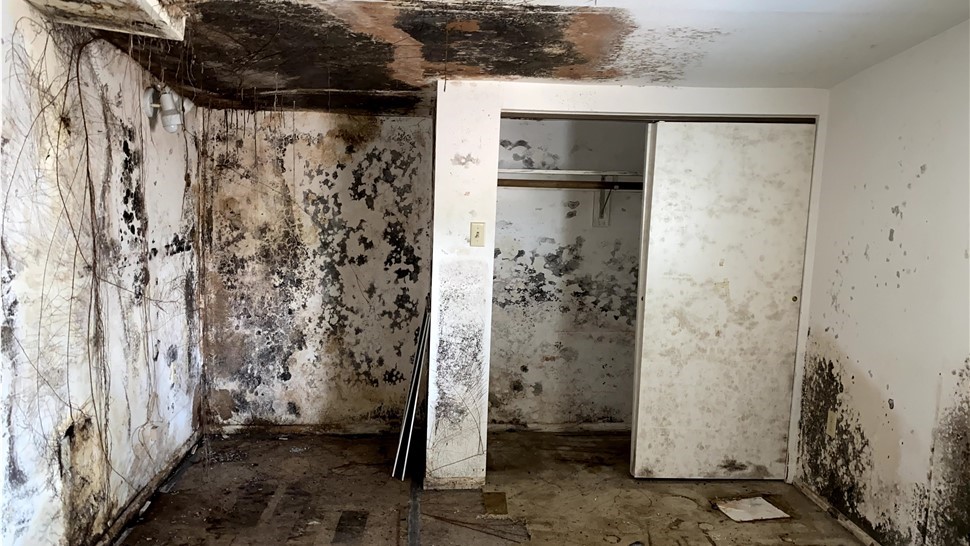
Hidden Mold in Banana River: What Merritt Island Property Owners Should Know
Hidden mold is one of the most common — and most overlooked — issues affecting homes near the Banana River. Many property owners assume mold will always be visible, easy to spot, or tied to a major leak. In reality, the coastal environment around Merritt Island allows mold to grow quietly behind walls, under floors, and inside building systems long before any obvious signs appear.
For homeowners, landlords, and property managers, understanding how hidden mold develops in Banana River homes is critical. These issues are rarely sudden and almost always tied to ongoing moisture behavior unique to waterfront and near-water properties. Knowing where to look, why mold stays hidden, and how it is properly addressed helps prevent repeated problems and long-term damage.
Why Hidden Mold Is So Common Near the Banana River
Homes near the Banana River experience persistent humidity year-round. Even during dry weather, moisture-laden air moves inland and settles into building materials. Unlike short-term water events, this constant moisture creates slow, steady conditions that allow mold to grow out of sight.
Most homes in this area are built on slab foundations, rely heavily on air conditioning, and include enclosed spaces with limited airflow. These features make it easy for moisture to become trapped without producing visible leaks or stains. Over time, mold establishes itself in hidden areas where it can remain undisturbed.
Hidden Mold Does Not Require Obvious Water Damage
One of the biggest misconceptions is that hidden mold only follows flooding or severe plumbing failures. In Banana River homes, hidden mold often develops without any dramatic event.
Moisture can enter and remain through condensation inside HVAC systems, humid air trapped in wall cavities, vapor migrating upward through concrete slabs, or attic humidity caused by poor ventilation. Because these moisture sources are subtle, mold can grow for months or years without being noticed.
By the time visible signs appear, the problem is often more extensive than expected.
Common Places Hidden Mold Develops
Hidden mold tends to grow in predictable locations based on how moisture behaves in coastal homes. These areas are frequently missed during routine cleaning or casual inspections.
Common hidden mold locations include behind drywall on exterior walls, under flooring and baseboards, inside closets with limited airflow, around HVAC air handlers and ductwork, above ceilings, inside wall cavities near plumbing, and on attic roof decking.
These areas provide darkness, limited air movement, and consistent moisture — ideal conditions for mold growth.
The Role of Slab Foundations
Slab foundations play a major role in hidden mold near the Banana River. After heavy rain or during high water table conditions, moisture migrates upward through concrete as vapor.
This vapor raises humidity at floor level and inside wall cavities. Mold often develops beneath flooring, behind baseboards, and inside lower wall sections without any visible water intrusion.
Because the moisture source is ongoing, mold in these areas can be persistent and difficult to detect without proper inspection.
HVAC Systems and Hidden Mold
Air conditioning systems are another major contributor to hidden mold. In Banana River homes, HVAC systems run much of the year and produce constant condensation.
If drain lines clog, drain pans crack, or duct insulation fails, moisture escapes into surrounding materials. Mold may develop inside air handlers, behind return vents, or inside ductwork.
Because HVAC systems circulate air throughout the home, hidden mold in these areas can affect indoor conditions even when growth is not visible.
Attics as a Hidden Mold Zone
Attics are one of the most overlooked areas for hidden mold. Warm, humid air rises and can condense on roof decking if ventilation is insufficient.
In coastal environments, attic humidity often remains elevated even when outdoor temperatures feel comfortable. Mold can grow on roof sheathing, trusses, and insulation without affecting living spaces immediately.
Hidden attic mold often explains unexplained odors or recurring moisture issues inside the home.
Closets and Enclosed Spaces
Closets near exterior walls are frequent hidden mold locations in Banana River homes. These spaces often have limited airflow and stay cooler than surrounding rooms.
Humid air enters the closet and condenses on walls or behind stored items. Mold may grow behind clothing, boxes, or shelving where it remains undisturbed.
Because closets are rarely inspected closely, mold in these areas often goes unnoticed until odors or damage appear.
Early Warning Signs of Hidden Mold
Hidden mold often provides subtle clues before becoming visible. Musty or earthy odors are one of the most common early indicators.
Other warning signs may include persistent indoor humidity, condensation around vents or windows, peeling paint, bubbling drywall, warped baseboards, or recurring mold in the same area after cleaning.
These signals usually point to moisture trapped somewhere out of sight.
Why DIY Mold Cleanup Misses Hidden Mold
DIY mold cleanup almost always focuses on visible surfaces. While this may temporarily improve appearance, it rarely addresses hidden growth.
Hidden mold remains untouched behind walls, under floors, or inside HVAC systems. Water-based cleaners may add moisture, and scrubbing can spread mold particles into the air.
In Banana River’s humid environment, hidden mold almost always causes visible mold to return after DIY cleanup.
How Hidden Mold Is Properly Identified
Identifying hidden mold requires more than a visual check. Professional evaluations focus on moisture behavior and building conditions.
This often includes moisture readings inside walls and floors, inspection of attics and HVAC systems, evaluation of ventilation and airflow, and review of past water or storm events.
The goal is to understand why mold is growing where it cannot be seen.
Why Mold Testing Alone Is Not Enough
Some property owners turn to mold testing when hidden mold is suspected. While testing can provide supporting information, it does not locate mold or identify moisture sources on its own.
Testing is most useful when paired with a proper inspection. Without understanding moisture conditions, test results often lead to confusion rather than clarity.
In coastal homes, inspection-driven evaluation is far more effective than testing alone.
Properly Addressing Hidden Mold
Effective hidden mold remediation focuses on moisture first. The process typically includes identifying and correcting moisture sources, containing affected areas to prevent spread, removing mold-affected materials when necessary, cleaning non-porous surfaces appropriately, and thoroughly drying and dehumidifying the space.
Without moisture correction, hidden mold removal is temporary and recurrence is likely.
Containment Is Critical
When hidden mold is disturbed, spores can spread quickly through the home. Containment isolates affected areas and prevents cross-contamination during remediation.
This is especially important in homes with shared air systems, where mold particles can travel easily if not controlled.
Drying Makes the Difference
Drying is one of the most important steps in resolving hidden mold. In coastal Florida, natural drying is rarely sufficient.
Professional dehumidification and air movement remove moisture from walls, floors, and ceilings. Drying continues until readings confirm that conditions no longer support mold growth.
Skipping this step almost guarantees the problem will return.
Long-Term Risks of Ignoring Hidden Mold
Hidden mold can damage drywall, insulation, flooring, and framing over time. Moisture weakens materials and increases repair costs.
For property owners, unresolved hidden mold can complicate renovations, sales, and rental agreements. Addressing issues early protects both the structure and long-term property value.
Preventing Hidden Mold in Banana River Homes
Prevention focuses on moisture management. Practical steps include monitoring indoor humidity, maintaining HVAC drain systems, improving ventilation in closets and bathrooms, keeping storage off floors, inspecting attics regularly, and checking the home after heavy rain or storms.
Consistency is essential in a high-humidity environment.
Why Local Experience Matters
Hidden mold near the Banana River behaves differently than mold in inland homes. Coastal humidity, slab foundations, salt air exposure, and storm patterns all influence where and how mold develops.
Local experience helps identify high-risk areas quickly and apply solutions that reflect how homes actually behave in this environment. Mold Removal Merritt Island works with property owners using approaches grounded in real Banana River conditions rather than generic assumptions.
A Practical Takeaway for Property Owners
Hidden mold in Banana River homes is far more common than most people realize. It rarely appears overnight and is almost always driven by long-term moisture conditions rather than a single event.
Early evaluation, moisture-focused remediation, proper containment, and thorough drying provide lasting results. Surface cleaning and shortcuts almost always lead to recurring problems.
For Merritt Island property owners who suspect hidden mold or want to prevent it, professional guidance offers clarity and long-term stability. Mold Removal Merritt Island helps property owners identify and resolve hidden mold by addressing the true cause — moisture — using strategies designed for the unique coastal conditions near the Banana River.
