
Mold Testing in Indian River: What Merritt Island Property Owners Should Know
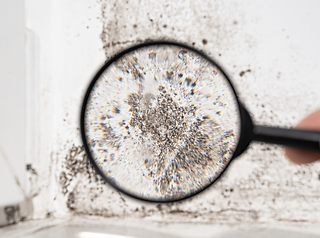
Homes along the Indian River face a unique mold challenge. Waterfront humidity, salt air, elevated groundwater, and constant AC use allow mold to grow quietly—often without visible signs. That’s why mold testing can be an important tool for Merritt Island property owners when odors, health symptoms, or past moisture issues raise concerns.
This guide explains when mold testing is useful, how it works, what results mean, and how it fits into a smart mold strategy for Indian River properties.
🧠 Why Indian River Homes Often Need Mold Testing
Waterfront conditions change how mold behaves:
- Year-round humidity stays elevated, even in winter
- Salt air increases condensation on walls, vents, and windows
- High water tables affect slabs and lower walls
- Heavy HVAC use creates ongoing moisture cycles
Because of this, mold often grows behind drywall, under flooring, or inside HVAC systems—where it can affect air quality long before you see it.
🧪 What Mold Testing Actually Does (and Doesn’t)
Mold testing measures spores in air or on surfaces. It helps answer questions like:
- Is mold affecting indoor air quality?
- Are spore levels elevated compared to outdoors?
- Are hidden areas likely contributing to symptoms or odors?
Important: Testing does not find leaks or fix mold. That’s why it works best after or alongside a proper inspection that identifies moisture sources.
🧰 Common Types of Mold Testing Used Near the Indian River
🌬 Air Sampling
- Compares indoor spore levels to outdoor air
- Useful when odors or symptoms exist without visible mold
- Helps identify whole-home or HVAC-related issues
🧱 Surface Sampling
- Tape or swab samples from suspicious areas
- Confirms whether staining or growth is mold
- Helpful for documentation in sales or insurance cases
🧪 Bulk Sampling (When Needed)
- Small material samples (drywall, insulation)
- Used when hidden growth is suspected during remediation
The right test depends on the situation—testing isn’t one-size-fits-all.
🚩 When Mold Testing Is Worth Doing
Mold testing is commonly recommended when:
- Musty odors persist without visible mold
- Allergy or asthma symptoms worsen indoors
- Buying or selling a waterfront home
- Past leaks, flooding, or storms occurred
- Documentation is needed for insurance or disputes
- You want post-remediation confirmation
If mold is already visible, testing may not be necessary—addressing moisture and removal is the priority.
🧠 How to Interpret Mold Test Results
Results are usually compared indoors vs. outdoors:
- Indoor levels significantly higher than outdoors suggest a source inside
- Similar levels may indicate normal background spores
- Certain spore types indoors can point toward hidden growth
A good report explains what the numbers mean, not just the numbers themselves.
😷 Health & Air Quality Considerations
Mold spores can contribute to:
- Coughing or congestion
- Headaches or fatigue
- Asthma flare-ups
- Eye, nose, or throat irritation
Children, seniors, and those with respiratory conditions are more sensitive. Testing helps determine whether **air quality—not just surfaces—**is part of the problem.
🏚 Real Estate & Insurance Uses
In Indian River properties, mold testing is often used for:
- Pre-listing confidence
- Buyer due diligence
- Insurance claim support
- Post-remediation clearance
Clear documentation reduces surprises and speeds transactions.
🛠 Mold Testing vs. Mold Inspection (Key Difference)
| Mold Inspection | Mold Testing |
|---|---|
| Finds moisture sources | Measures spores |
| Identifies hidden problems | Confirms air/surface impact |
| First step | Supporting step |
| Guides repairs | Supports decisions |
Testing supports inspections—it doesn’t replace them.
🚫 Common Mold Testing Mistakes
- Testing without inspecting first
- Relying on DIY kits without context
- Testing visible mold instead of fixing moisture
- Misreading results without expert explanation
- Using testing to delay remediation
In coastal homes, context matters as much as data.
🛠 Smart Mold Strategy for Indian River Homes
- Inspect first to find moisture
- Test when appropriate to confirm air quality or document conditions
- Fix moisture issues (HVAC, leaks, humidity)
- Remediate if needed
- Verify with post-remediation testing when required
This approach prevents repeat problems.
🧑🔧 Final Thoughts: Mold Testing Is a Tool—Use It Wisely
In Indian River homes, mold testing can provide clarity when mold is suspected but not obvious.
For Merritt Island property owners, remember:
- Waterfront humidity increases hidden mold risk
- Testing is most useful with a proper inspection
- Results need expert interpretation
- Fixing moisture—not testing alone—solves mold
When used at the right time, mold testing helps you make confident, informed decisions about your home’s health and value.
