
Mold Inspection in Indian River: What Merritt Island Property Owners Should Know
Homes near the Indian River enjoy water views, steady breezes, and a true coastal lifestyle. That same environment, however, creates constant moisture pressure on buildings. High humidity, salt air, frequent storms, and warm temperatures year-round make mold inspections an important part of responsible property ownership in this area of Merritt Island.
For homeowners, landlords, and property managers, a mold inspection is not about panic or assumptions. It is about understanding how moisture behaves inside the home and identifying problems early—before visible damage, odors, or repeated issues appear. In Indian River neighborhoods, mold often develops quietly, making inspections especially valuable.
Why Homes Near the Indian River Need Mold Inspections
The Indian River keeps ambient humidity elevated throughout the year. Even on days without rain, moisture in the air moves inland and settles into building materials. Homes rarely dry out completely, especially those close to the water.
Many houses in this area are built on slab foundations, rely heavily on air conditioning, and include enclosed spaces with limited airflow. Over time, these factors create hidden moisture pockets where mold can grow without obvious warning signs.
Mold inspections help uncover these conditions before they become costly or disruptive.
Mold Often Develops Without Major Leaks
One of the most common misconceptions is that mold only follows flooding or severe water damage. In Indian River homes, mold frequently develops without any dramatic event.
Moisture can enter and remain through:
- Condensation inside HVAC systems
- Humid air trapped in closets and wall cavities
- Vapor movement through slab foundations
- Attic humidity from poor ventilation
Because there may be no visible leaks or stains, homeowners often assume everything is fine. Mold inspections focus on detecting these subtle moisture conditions.
Common Reasons Property Owners Request Mold Inspections
Mold inspections are requested for many reasons, some proactive and others reactive. Common triggers include:
- Musty or earthy odors
- Recent storms or heavy rainfall
- Past roof or plumbing leaks
- Visible discoloration on walls or ceilings
- Ongoing humidity or condensation
- Real estate transactions or refinancing
- Tenant concerns or recurring complaints
In coastal environments, even mild concerns are worth evaluating early.
What a Mold Inspection Involves
A professional mold inspection is a structured evaluation of the home, not a quick walk-through. The goal is to understand moisture behavior and mold risk throughout the structure.
A typical inspection includes:
- Visual assessment of interior and exterior areas
- Moisture readings in walls, ceilings, and floors
- Attic and utility space inspection
- HVAC system evaluation
- Identification of ventilation and airflow issues
- Review of areas affected by past water events
This process explains why mold conditions exist, not just where mold might be visible.
Moisture Detection Is the Core of the Inspection
Mold cannot grow without moisture. In Indian River homes, moisture often hides in places that are rarely checked.
Moisture meters and inspection tools detect elevated moisture behind drywall, under flooring, or above ceilings. These readings reveal conditions that are invisible to the eye.
Identifying moisture early allows property owners to correct problems before mold becomes established.
Attics and Mold Inspections in Indian River Homes
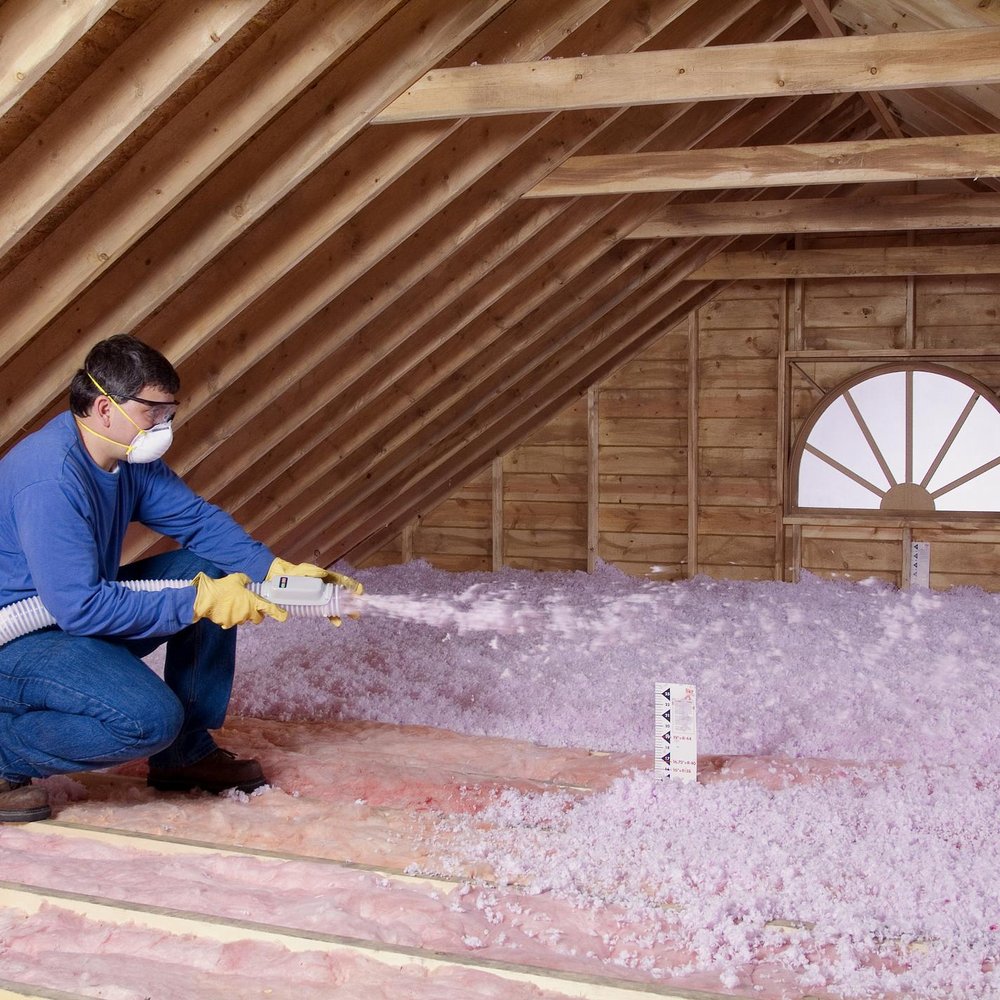
Attics are one of the most common problem areas near the Indian River. Warm, humid air rises and can condense on roof decking if ventilation is inadequate.
High attic humidity can lead to mold on roof sheathing, trusses, and insulation without immediate impact on living spaces. Over time, this moisture can migrate downward, affecting ceilings and walls.
Attic inspections often explain unexplained odors or ceiling discoloration inside the home.
HVAC Systems and Mold Risk
HVAC systems play a major role in moisture control—and mold risk. Air conditioners remove humidity but also produce condensation continuously.
Mold inspections evaluate:
- Condensate drain lines
- Drain pans
- Air handlers
- Duct insulation
- Areas around supply and return vents
Clogged drains, poor insulation, or airflow imbalances can release moisture into surrounding materials, creating ideal mold conditions.
Slab Foundations and Floor-Level Moisture
Most homes near the Indian River are built on slab foundations. After heavy rain or during high water table conditions, moisture can migrate upward through concrete as vapor.
This increases humidity near floors and lower walls. Mold inspections often reveal elevated moisture near baseboards, closets, and flooring edges.
These conditions are common in coastal homes and often overlooked without professional inspection.
Bathrooms, Kitchens, and Laundry Areas
Rooms with frequent water use introduce repeated moisture spikes throughout the day. Bathrooms, kitchens, and laundry rooms are inspected for:
- Ventilation effectiveness
- Condensation buildup
- Hidden moisture around plumbing
Mold in these areas often starts behind walls or under cabinets, not on visible surfaces.
Hidden Mold vs Visible Mold
Visible mold is only part of the picture. Many mold issues in Indian River homes exist behind walls, under flooring, or above ceilings.
A mold inspection helps distinguish between surface-level growth and deeper moisture problems. This distinction matters because surface cleaning alone does not resolve hidden mold.
Understanding where mold is growing—and why—guides proper next steps.
When Air or Surface Sampling Is Used
Not every inspection requires sampling. Air or surface samples are used selectively when they add useful information.
Sampling may be recommended when:
- Mold is suspected but not visible
- Odors persist without a clear source
- Documentation is needed for transactions
- Post-remediation verification is required
Results are always interpreted alongside moisture findings, not in isolation.
Mold Inspections During Real Estate Transactions
Mold inspections are common during home sales in Indian River neighborhoods. Buyers and sellers want clarity about property condition in a coastal environment.
An inspection helps determine whether concerns are minor and manageable or tied to larger moisture issues. This prevents unnecessary alarm and supports informed decisions.
Clear documentation often keeps transactions moving forward smoothly.
Why DIY Mold Checks Fall Short
Walking through a home and checking for visible mold is not a substitute for a professional inspection. Mold often develops in inaccessible or hidden areas.
Without moisture detection tools and experience with coastal building behavior, important contributors may be missed. This leads to repeated issues and frustration.
Professional inspections focus on prevention as much as problem identification.
How Inspection Findings Are Used
Inspection results guide practical decisions. Sometimes the solution is improved ventilation, HVAC adjustments, or targeted moisture correction.
In other cases, remediation may be recommended. The inspection provides the information needed to plan work accurately and avoid unnecessary disruption.
Mold Removal Merritt Island works with property owners to explain inspection findings clearly and outline realistic options based on Indian River conditions.
Preventive Value of Mold Inspections
Routine inspections help catch moisture problems early. For property owners, this can prevent:
- Costly repairs
- Recurring mold issues
- Structural damage
- Stress during sales or leasing
In coastal environments, prevention is always more effective than reaction.
Why Local Experience Matters
Mold inspections in Indian River require understanding of local conditions. Coastal humidity, slab foundations, salt air exposure, and storm patterns all affect how homes behave.
Local experience helps inspectors know where to look first and how to interpret findings accurately. Generic inspection approaches often miss these nuances.
A Practical Takeaway for Property Owners
Mold inspections in Indian River are about clarity, not fear. Mold issues in coastal homes rarely appear suddenly. They develop over time as moisture patterns go unnoticed.
An inspection brings those patterns into focus, allowing property owners to act early and confidently. When moisture is understood and managed, mold becomes far more controllable.
For Merritt Island property owners near the Indian River who want to protect their homes or resolve concerns, a professional mold inspection provides direction and peace of mind. Mold Removal Merritt Island understands the local environment and helps owners make informed decisions using inspections grounded in real coastal conditions.
