
Mold in Healthcare Facilities in Banana River: What Merritt Island Property Owners Should Know
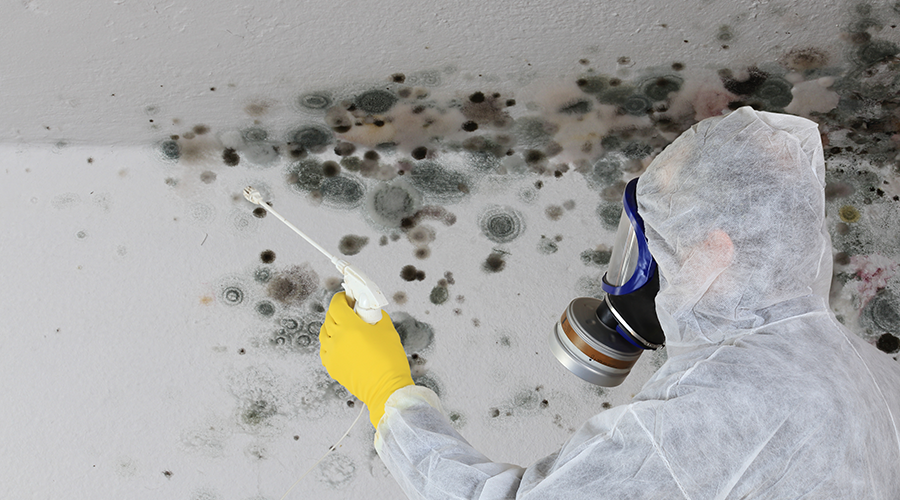
Mold in healthcare facilities in Banana River is a serious operational and patient-safety concern, not just a building issue. Clinics, medical offices, outpatient centers, and specialty practices serve people with heightened health sensitivities—and in a coastal environment like Merritt Island, moisture problems can quietly turn into mold risks that affect air quality, compliance, and trust.
For Merritt Island property owners and healthcare operators, understanding how mold develops in medical settings—and how to prevent it—is critical to protecting patients, staff, and the facility’s reputation.
🧠 Why Healthcare Facilities Near Banana River Are High-Risk
Healthcare buildings face unique challenges that amplify mold risk.
🌊 Coastal Humidity + Constant Occupancy
Banana River’s year-round humidity enters facilities through:
- Frequent door openings
- Exterior-facing exam rooms
- Shared corridors and waiting areas
Because healthcare spaces operate long hours, moisture has more opportunity to accumulate.
❄️ Heavy HVAC Dependence
Medical facilities rely on HVAC systems for comfort, ventilation, and infection control. Mold risk increases when:
- Condensate drain lines clog
- Drain pans overflow
- Airflow is unbalanced between rooms
- Systems run continuously without adequate moisture control
If mold develops in HVAC components, spores can circulate through patient-care areas.
🧱 Specialized Rooms & Hidden Spaces
Healthcare buildings often include:
- Drop ceilings
- Imaging rooms with temperature differences
- Storage and supply rooms
- Mechanical and IT closets
These areas can trap moisture and hide mold until odors or complaints appear.
📍 Common Mold Hotspots in Healthcare Facilities
In Banana River medical buildings, mold is most often found in:
- HVAC systems (air handlers, ducts, drain pans)
- Above ceiling tiles in corridors and exam rooms
- Restrooms and handwashing areas
- Storage rooms and supply closets
- Exterior-facing walls and corners
- Mechanical and utility rooms
Mold often develops outside of patient view, making early detection critical.
🚩 Early Warning Signs Facility Managers Should Act On
- Persistent musty or earthy odors
- Stained or sagging ceiling tiles
- Condensation around vents or windows
- Staff reporting headaches, coughing, or congestion
- Increased patient discomfort complaints
- Odors that worsen when HVAC systems cycle
In healthcare environments, air quality complaints should never be dismissed.
😷 Patient Safety, Staff Health & Compliance Concerns
Healthcare occupants may include:
- Immunocompromised patients
- Elderly individuals
- People with respiratory conditions
Mold exposure in these settings can contribute to:
- Increased health complaints
- Reduced patient confidence
- Staff absenteeism
- Infection-control concerns
Maintaining clean indoor air is essential for both clinical outcomes and compliance.
🏥 Operational, Regulatory & Liability Risks
Mold issues in healthcare facilities can lead to:
- Inspection or accreditation concerns
- Temporary room or clinic closures
- Patient complaints or transfers
- Insurance and liability exposure
- Reputational damage
Preventive management is far less disruptive than emergency response.
🧪 When Mold Inspections or Testing Are Appropriate
Professional evaluation is recommended when:
- Odors persist without visible mold
- HVAC systems are suspected
- Health complaints increase
- Water damage occurred but wasn’t fully dried
- Renovations or expansions are planned
Inspection and moisture assessment should always come before any testing.
🛠 Preventing Mold in Banana River Healthcare Facilities
✅ Maintain Strict Humidity Control
- Keep indoor humidity at 30–50%
- Monitor humidity in exam rooms and corridors
- Use supplemental dehumidification if needed
Humidity control is the foundation of mold prevention.
✅ Proactive HVAC Maintenance
- Inspect drain pans and condensate lines regularly
- Balance airflow between patient rooms
- Replace filters on schedule
HVAC systems often determine whether mold spreads or stops.
✅ Inspect After Storms & Plumbing Events
- Check ceilings, walls, and utility rooms
- Inspect above ceiling tiles
- Address moisture within 24–48 hours
Fast drying prevents most healthcare mold problems.
✅ Encourage Early Reporting
- Train staff to report odors or condensation immediately
- Document all moisture responses
- Investigate complaints thoroughly
Early action protects patients and staff.
🚫 Common Healthcare Mold Mistakes
- Ignoring faint odors
- Treating complaints as HVAC “smells”
- Cleaning visible mold without fixing moisture
- Delaying response to avoid disrupting care
- Choosing cosmetic cleanup over proper remediation
In Banana River’s climate, these shortcuts often lead to repeat issues.
🧪 Healthcare Mold vs. Other Commercial Properties
| Healthcare Facilities | Standard Offices |
|---|---|
| Medically vulnerable occupants | General population |
| Higher air-quality standards | Lower standards |
| Greater regulatory scrutiny | Less oversight |
| Higher liability | Lower liability |
Healthcare buildings require stricter moisture and air-quality control.
🧑🔧 Final Thoughts: Mold Control Is Patient Care
In Banana River, mold in healthcare facilities isn’t just a facilities issue—it’s a patient safety and trust issue.
For Merritt Island property owners and healthcare operators, remember:
- Coastal humidity raises year-round mold risk
- HVAC systems are critical control points
- Odors and complaints are early warnings
- Fast, professional response limits disruption and liability
When moisture is managed proactively and mold is addressed correctly, healthcare facilities remain safe, compliant, and trusted spaces—even in a challenging coastal environment.
